


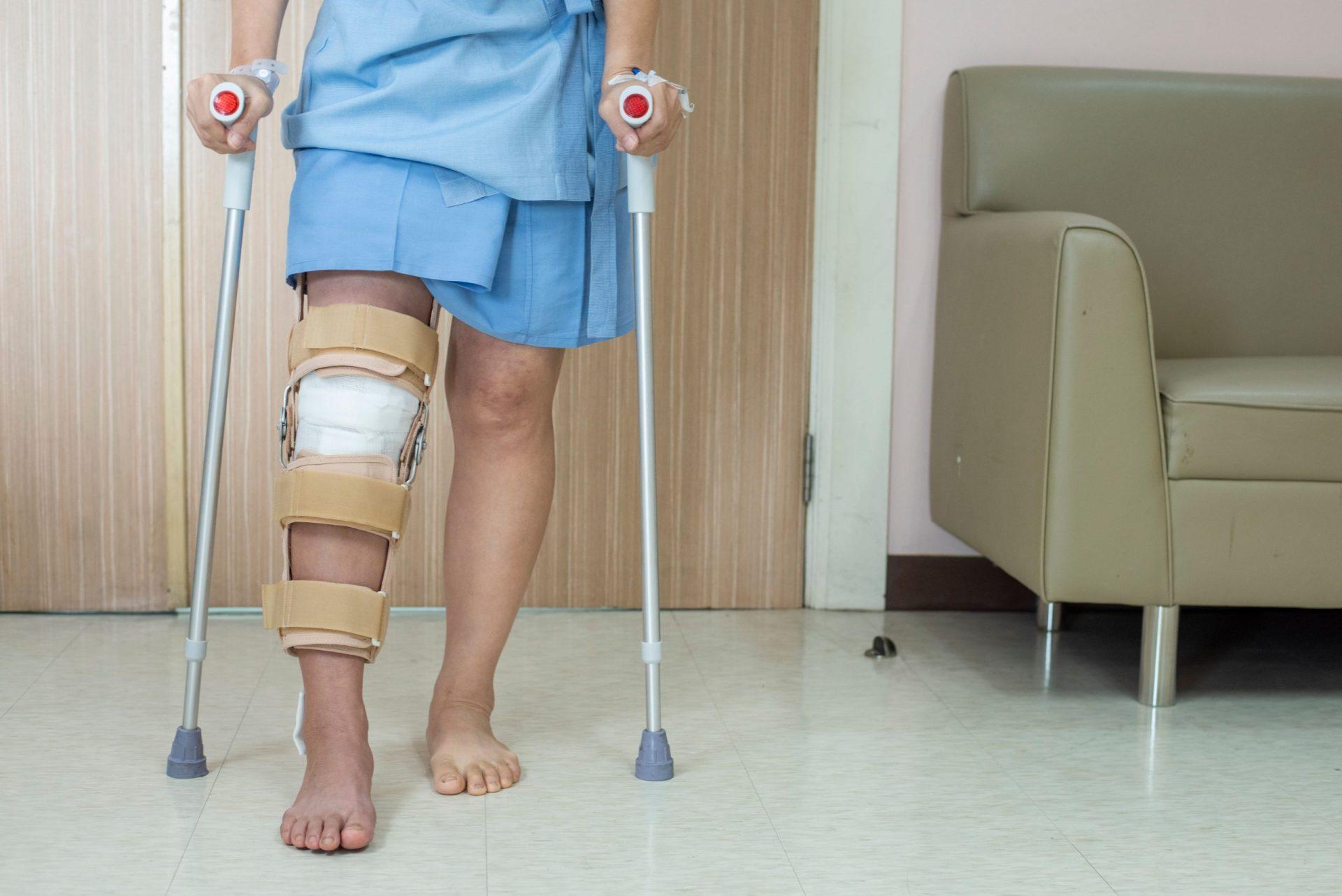
The anterior cruciate ligament (ACL) is one of the most important ligaments in the knee, playing a vital role in maintaining stability, supporting movement, and enabling activities such as walking, running, jumping, and changing direction. An ACL injury can significantly affect mobility and make everyday tasks or athletic activities more challenging. With timely assessment and a structured rehabilitation program, many individuals can improve knee function, restore strength, and return to their regular activities with confidence.
If you are looking for professional Acl Injury Treatment Dubai, choosing an experienced physiotherapy provider is essential for receiving personalized rehabilitation that aligns with your recovery goals. Vitruvian Italian Physiotherapy Center offers evidence-based physiotherapy programs designed to improve knee stability, restore movement, and support long-term joint health through individualized care.
Understanding ACL Injuries
The anterior cruciate ligament is located in the center of the knee and works together with other ligaments, muscles, and tendons to stabilize the joint during movement. It helps control forward movement and rotational stability of the knee.
ACL injuries commonly occur during activities that involve:
- Sudden changes in direction
- Rapid deceleration
- Jumping and landing
- Pivoting movements
- Sports requiring quick acceleration
- Direct impact to the knee
Although athletes experience ACL injuries frequently, they can also occur during recreational activities or everyday accidents.
A comprehensive physiotherapy assessment helps determine the extent of movement limitations and forms the foundation of an individualized rehabilitation plan.
Common Signs of an ACL Injury
Symptoms can vary depending on the severity of the injury and the individual's activity level. Some people notice immediate changes in knee function, while others experience gradual limitations during movement.
Common signs include:
- Knee discomfort
- Swelling around the knee
- Reduced range of motion
- Difficulty walking comfortably
- Feeling of knee instability
- Difficulty changing direction
- Reduced confidence during movement
- Challenges with climbing stairs or squatting
Professional assessment helps identify functional limitations and determine the most appropriate rehabilitation strategy.
Why Early Physiotherapy Matters
Beginning physiotherapy early allows movement limitations to be assessed before developing long-term compensatory movement patterns. Early rehabilitation focuses on improving mobility, restoring muscle activation, and gradually rebuilding strength.
Physiotherapists also educate patients about proper movement techniques and provide structured exercise programs that support progressive recovery.
At Vitruvian Italian Physiotherapy Center, every rehabilitation journey begins with a detailed physical evaluation to ensure treatment is tailored to each patient's condition and functional goals.
Comprehensive Assessment Before Treatment
Effective rehabilitation begins with understanding the patient's overall physical condition.
During the initial consultation, physiotherapists evaluate:
- Medical history
- Previous knee injuries
- Walking pattern
- Knee stability
- Joint mobility
- Muscle strength
- Functional movement
- Balance
- Coordination
- Daily activity requirements
This assessment allows therapists to develop personalized rehabilitation plans based on individual recovery needs rather than using a generalized treatment approach.
Personalized Rehabilitation Programs
Every ACL injury is different. Recovery depends on factors such as age, physical activity level, occupation, previous injuries, and personal goals.
Individualized rehabilitation plans may include:
- Manual therapy
- Mobility exercises
- Progressive strengthening
- Balance training
- Functional movement retraining
- Flexibility exercises
- Neuromuscular training
- Sport-specific rehabilitation
- Home exercise programs
Treatment plans are regularly adjusted based on each patient's progress and functional improvements.
Benefits of Professional ACL Rehabilitation
Receiving expert Acl Injury Treatment Dubai provides structured rehabilitation designed to improve knee function while supporting long-term physical wellness.
Professional physiotherapy may help individuals:
- Improve knee mobility
- Restore muscle strength
- Enhance balance and coordination
- Improve walking mechanics
- Increase joint stability
- Improve flexibility
- Enhance movement efficiency
- Support return to everyday activities
- Improve confidence during physical movement
Comprehensive rehabilitation also emphasizes movement quality to encourage healthy knee function throughout daily life.
Evidence-Based Physiotherapy Techniques
Modern physiotherapy combines multiple evidence-based techniques to support knee rehabilitation.
Manual Therapy
Hands-on treatment techniques improve joint mobility, reduce muscle tightness, and support normal movement patterns.
Strength Training
Targeted strengthening exercises improve the muscles surrounding the knee, including the quadriceps, hamstrings, gluteal muscles, and calves.
Neuromuscular Training
These exercises improve coordination, balance, body awareness, and joint control during movement.
Functional Movement Training
Patients practice movements that replicate everyday activities, helping restore confidence during walking, climbing stairs, lifting, and recreational activities.
Flexibility Training
Stretching exercises improve muscle flexibility and joint mobility while promoting efficient movement.
Vitruvian Italian Physiotherapy Center integrates these evidence-based rehabilitation methods into personalized treatment plans designed to meet each patient's unique recovery objectives.
Strengthening the Knee After an ACL Injury
Muscle strength plays a major role in supporting knee stability and movement.
Physiotherapy programs often focus on strengthening:
- Quadriceps
- Hamstrings
- Gluteal muscles
- Hip stabilizers
- Calf muscles
- Core muscles
Balanced muscle development improves overall lower-limb function and contributes to efficient movement patterns.
Exercises are progressed gradually to match each patient's stage of rehabilitation.
Improving Balance and Stability
Following an ACL injury, balance and joint awareness may be affected.
Physiotherapists incorporate exercises that improve:
- Single-leg stability
- Dynamic balance
- Body control
- Coordination
- Movement accuracy
- Functional stability
These exercises help patients regain confidence while performing everyday tasks and recreational activities.
Sports Rehabilitation Following ACL Injury
Athletes often require specialized rehabilitation programs that prepare them for the physical demands of their sport.
Sports rehabilitation focuses on:
- Movement mechanics
- Agility training
- Jumping and landing techniques
- Direction changes
- Running progression
- Sport-specific conditioning
Each program is customized according to the athlete's sport, competition level, and performance goals.
Vitruvian Italian Physiotherapy Center develops individualized sports rehabilitation plans that support safe progression back to athletic participation.
Post-Surgical ACL Rehabilitation
Some individuals undergo ACL reconstruction surgery as part of their treatment plan. Physiotherapy is an essential component of post-surgical rehabilitation.
Rehabilitation typically progresses through carefully structured phases that include:
- Restoring knee mobility
- Improving muscle activation
- Progressive strengthening
- Balance training
- Functional movement exercises
- Activity-specific rehabilitation
Each phase is monitored closely to ensure exercises remain appropriate for the patient's stage of recovery.
The Importance of Functional Movement Training
Successful rehabilitation extends beyond strengthening individual muscles. Functional movement training prepares patients for real-life activities by improving movement efficiency.
Examples include:
- Walking
- Squatting
- Stair climbing
- Sitting and standing
- Lifting objects
- Recreational movement
- Sport-specific drills
Functional rehabilitation helps patients transition confidently from the clinic to everyday life.
Long-Term Knee Health After ACL Rehabilitation
Maintaining healthy knee function requires continued attention even after formal physiotherapy has been completed.
Physiotherapists often recommend:
- Regular strengthening exercises
- Flexibility training
- Proper warm-up routines
- Balanced physical activity
- Good movement mechanics
- Ongoing posture awareness
- Activity-specific conditioning
These habits support continued mobility and overall joint health.
Why Choose Vitruvian Italian Physiotherapy Center
Vitruvian Italian Physiotherapy Center provides individualized rehabilitation programs based on internationally recognized physiotherapy practices.
Patients choose the clinic because of its commitment to:
- Comprehensive physical assessments
- Evidence-based rehabilitation
- Experienced physiotherapists
- Personalized treatment plans
- Modern physiotherapy techniques
- Patient-centered care
- Continuous progress monitoring
- Long-term physical wellness
Every rehabilitation program is carefully designed according to the patient's physical condition, functional abilities, and recovery goals.
When to Seek Professional Physiotherapy
Individuals experiencing knee instability, reduced mobility, swelling, movement limitations, or difficulty returning to normal activities following an ACL injury may benefit from a comprehensive physiotherapy assessment.
Professional evaluation helps identify functional deficits and provides a structured rehabilitation plan that supports improved strength, mobility, and confidence during movement.
Vitruvian Italian Physiotherapy Center offers personalized assessments and evidence-based rehabilitation programs designed to help patients restore knee function and achieve long-term physical wellness.
Supporting Recovery Through Patient Education
An important aspect of physiotherapy is helping patients understand their condition and actively participate in their rehabilitation.
Physiotherapists provide guidance on:
- Correct exercise techniques
- Safe movement strategies
- Activity modification when appropriate
- Home exercise progression
- Proper posture and body mechanics
- Maintaining long-term knee health
This educational approach empowers patients to continue supporting their physical well-being beyond clinic visits.
Conclusion
An ACL injury can affect mobility, stability, and confidence during everyday movement, but with expert physiotherapy and a structured rehabilitation program, individuals can work toward restoring strength, improving knee function, and returning to the activities they enjoy.
Choosing professional Acl Injury Treatment Dubai at Vitruvian Italian Physiotherapy Center ensures access to experienced physiotherapists who deliver evidence-based, patient-centered care tailored to individual recovery goals. Through comprehensive assessments, personalized rehabilitation programs, advanced physiotherapy techniques, and ongoing support, the clinic helps patients improve knee mobility, strengthen surrounding muscles, enhance functional movement, and maintain long-term joint health with confidence.

 Arabic
 French
 Spanish
 Portuguese
 Deutsch
 Turkish
 Dutch
Dutch
 Italiano
 Russian
 Romaian
 Portuguese (Brazil)
 Greek
Greek