


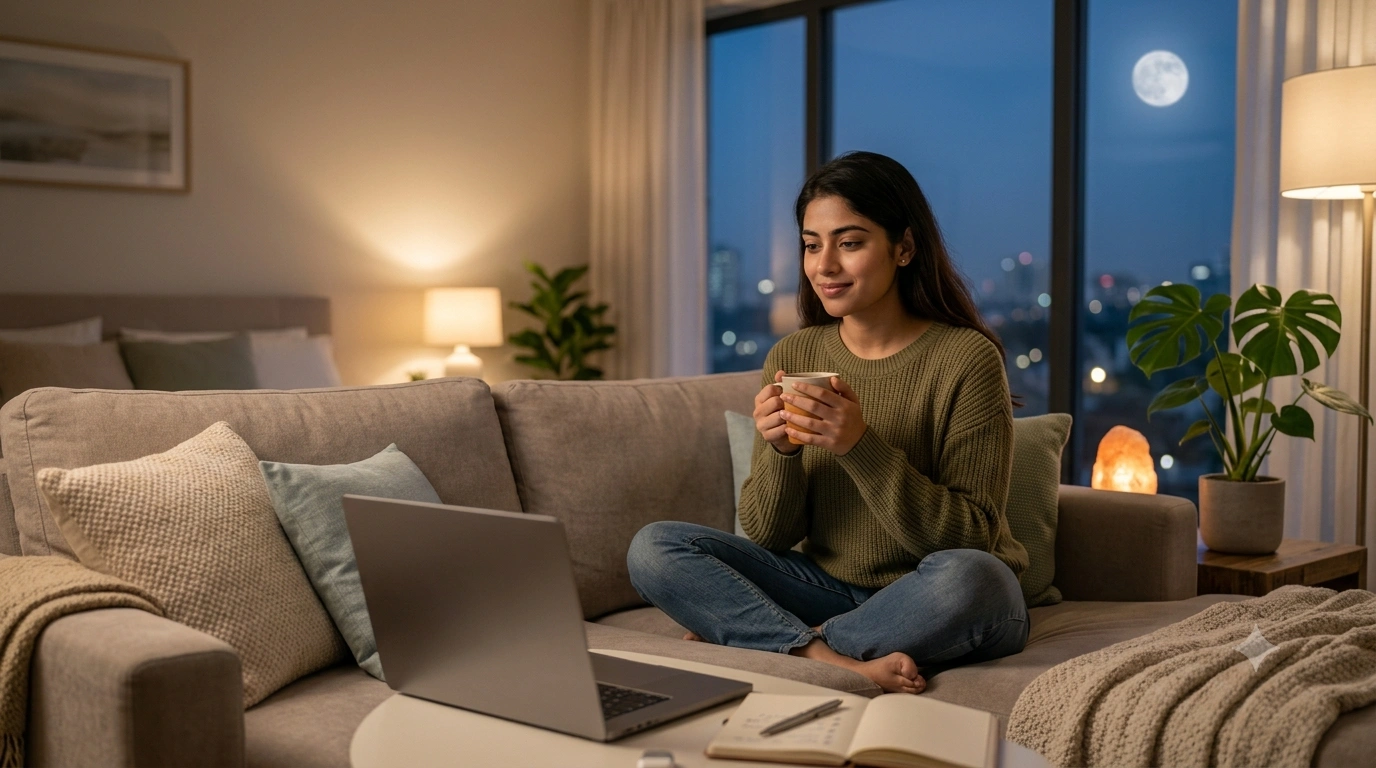
Anxiety can make even simple tasks feel overwhelming. You may constantly worry, expect the worst, or feel physically tense without knowing why. Many people try to manage these feelings on their own, but anxiety often becomes stronger when left untreated. The good news is that effective support is now more accessible than ever. Online treatment for anxiety allows you to connect with qualified mental health professionals from the comfort of your home. If persistent anxiety is interfering with your daily life, work, or relationships, understanding why it feels so difficult to control is the first step toward lasting recovery.
Why Does Anxiety Feel So Difficult to Control?
Anxiety isn't simply "overthinking." It's your brain's natural response to perceived danger, even when no real threat exists. The brain's fear system becomes overactive, making it difficult to relax or think rationally.
Common reasons anxiety feels uncontrollable include:
-
An overactive fight-or-flight response
-
Negative thinking patterns
-
Constant worry about future events
-
Stressful life experiences
-
Lack of healthy coping strategies
-
Poor sleep and physical exhaustion
Over time, these factors reinforce each other, creating a cycle that's difficult to break without professional guidance.
What Are the Common Signs That Anxiety Is Taking Over?
Recognising anxiety early can prevent it from becoming more severe.
Emotional Symptoms
-
Constant worry
-
Feeling restless or on edge
-
Irritability
-
Difficulty concentrating
-
Feeling overwhelmed
Physical Symptoms
-
Rapid heartbeat
-
Muscle tension
-
Headaches
-
Sweating
-
Stomach discomfort
-
Trouble sleeping
When these symptoms persist for weeks or begin affecting daily functioning, professional support is recommended.
Why Can't You Simply "Stop Worrying"?
One of the biggest misconceptions about anxiety is that people can simply think positively and make it disappear.
In reality, anxiety changes the way the brain processes information. It makes harmless situations seem threatening and convinces you that worrying is necessary to stay safe.
Without addressing these underlying thought patterns, anxiety often continues despite your best efforts.
How Does Online Treatment for Anxiety Work?
Online treatment for anxiety provides evidence-based psychological support through secure video sessions, phone calls, or chat-based therapy.
During treatment, psychologists help you:
-
Understand your anxiety triggers
-
Identify unhelpful thinking patterns
-
Learn healthier coping skills
-
Build emotional resilience
-
Develop long-term anxiety management strategies
Sessions are personalised based on your symptoms, goals, and lifestyle.
Which Therapy Approaches Are Most Effective for Anxiety?
Mental health professionals use scientifically supported therapies depending on individual needs.
Cognitive Behavioural Therapy (CBT)
CBT helps identify negative thought patterns and replace them with healthier ways of thinking.
It is considered one of the most effective treatments for anxiety disorders.
Acceptance and Commitment Therapy (ACT)
ACT teaches people to accept uncomfortable emotions instead of fighting them while focusing on meaningful actions.
Mindfulness-Based Therapy
Mindfulness helps reduce overthinking by bringing attention back to the present moment.
Relaxation Training
Psychologists may also teach:
-
Deep breathing
-
Progressive muscle relaxation
-
Guided imagery
-
Stress management techniques
Who Can Benefit from Online Treatment for Anxiety?
Online therapy is suitable for many people, including those who:
-
Experience chronic worry
-
Have panic attacks
-
Live with social anxiety
-
Struggle with work-related stress
-
Feel anxious before exams
-
Experience health anxiety
-
Find it difficult to leave home
-
Have busy work schedules
Many individuals appreciate the flexibility and convenience of receiving therapy without travelling.
What Are the Advantages of Consulting a Psychologist Online?
Choosing to consult with anxiety psychologists online offers several benefits.
Greater Accessibility
You can access experienced psychologists regardless of your location.
Flexible Scheduling
Appointments can often fit around work, studies, or family commitments.
Comfortable Environment
Many people feel more relaxed discussing personal concerns from home.
Better Privacy
Online sessions eliminate waiting rooms and lengthy travel.
Consistent Support
Regular appointments become easier to maintain, improving treatment outcomes.
What Can You Do Between Therapy Sessions?
Therapy works best when combined with healthy daily habits.
Helpful strategies include:
-
Practising breathing exercises
-
Following a consistent sleep routine
-
Limiting caffeine intake
-
Staying physically active
-
Writing in a journal
-
Reducing excessive news and social media exposure
-
Challenging negative thoughts
-
Maintaining social connections
Small daily improvements often create significant long-term changes.
When Should You Seek Professional Help?
Consider seeking help if anxiety:
-
Persists for several weeks
-
Affects work or academic performance
-
Causes frequent panic attacks
-
Interferes with relationships
-
Prevents you from enjoying life
-
Leads to avoidance of normal activities
-
Causes ongoing physical symptoms
Early treatment often prevents anxiety from becoming more severe.
Can Online Therapy Be as Effective as Face-to-Face Therapy?
Research has consistently shown that online psychological therapy can be highly effective for many anxiety disorders when delivered by qualified professionals.
The effectiveness depends on:
-
The severity of symptoms
-
The therapeutic approach used
-
Your commitment to attending sessions
-
Applying the techniques learned during therapy
Many people experience significant improvements through structured online treatment.
Frequently Asked Questions
Is online anxiety treatment confidential?
Yes. Reputable mental health platforms use secure, confidential communication systems that protect your privacy.
How many therapy sessions are usually needed?
The number varies depending on symptom severity, personal goals, and progress. Some people improve within a few sessions, while others benefit from longer-term support.
Can online therapy help with panic attacks?
Yes. Therapists often teach coping techniques, breathing exercises, and cognitive strategies that reduce the intensity and frequency of panic attacks.
Do I need medication for anxiety?
Not everyone does. Many people benefit from psychological therapy alone, while others may require medication prescribed by a qualified psychiatrist. Treatment decisions should always be individualised.
Conclusion
Living with anxiety can feel exhausting, but it doesn't have to control your future. Understanding why anxiety feels so overwhelming is the first step toward regaining confidence and emotional balance. With online treatment for anxiety, you can receive evidence-based support, practical coping strategies, and personalised care without leaving your home.
If persistent worry, panic, or fear is interfering with your daily life, now is the right time to consult with anxiety psychologists online. Professional guidance can help you break the cycle of anxiety, build healthier coping skills, and move toward a calmer, more fulfilling life.
Take the first step today by connecting with experienced psychologists through TalktoAngel, a trusted platform for online mental health support, and begin your journey toward lasting emotional well-being.

 English
 French
 Spanish
 Portuguese
 Deutsch
 Turkish
 Dutch
Dutch
 Italiano
 Russian
 Romaian
 Portuguese (Brazil)
 Greek
Greek