


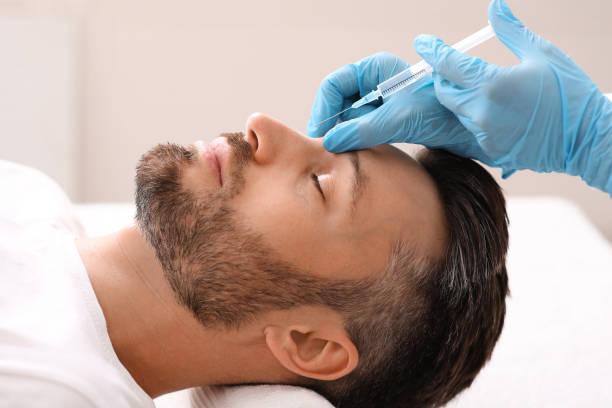
Breathing comfortably through your nose is something many people take for granted until it becomes a daily struggle. A deviated nasal septum can gradually affect sleep, energy levels, exercise, and overall quality of life without always being recognized as the root cause. Choosing Septoplasty In Islamabad at the right time can help restore healthy nasal airflow, reduce long-term discomfort, and prevent symptoms from becoming more disruptive over the years.
Understanding Septoplasty
Septoplasty is a surgical procedure designed to correct a deviated nasal septum, the thin wall of cartilage and bone that separates the two nostrils. While a slightly off-center septum is common, a severe deviation can block one or both nasal passages, making breathing difficult.
Many individuals are born with a deviated septum, while others develop it after a facial injury. Regardless of the cause, the condition can worsen with age or become more noticeable as swelling and inflammation increase over time.
Signs That Should Not Be Ignored
A deviated septum may not always cause obvious symptoms in its early stages. However, persistent issues often indicate that professional evaluation is needed.
Common symptoms include:
- Difficulty breathing through one or both nostrils
- Frequent nasal congestion
- Repeated sinus infections
- Loud snoring
- Poor-quality sleep
- Nosebleeds
- Facial pressure
- Mouth breathing, especially at night
Ignoring these symptoms may allow them to become more severe and impact daily life.
Why Early Treatment Matters
Seeking treatment early provides several advantages that extend beyond improved breathing.
Prevents Chronic Nasal Blockage
Long-term nasal obstruction can make routine activities more difficult. Whether exercising, working, or sleeping, reduced airflow affects comfort and performance. Early correction helps restore proper nasal function before symptoms become deeply disruptive.
Reduces the Risk of Recurring Sinus Problems
Blocked nasal passages interfere with proper drainage of the sinuses. As mucus accumulates, bacteria may multiply, leading to repeated sinus infections. Addressing the underlying structural issue can reduce the likelihood of these recurring episodes.
Improves Sleep Quality
People with a deviated septum often struggle to breathe normally during sleep. This may contribute to snoring, restless nights, and daytime fatigue. Early treatment can improve airflow, helping many patients enjoy deeper and more refreshing sleep.
Supports Better Physical Activity
Healthy breathing is essential during exercise and physical exertion. Restricted airflow can reduce stamina and make workouts more difficult. Correcting the nasal passage allows oxygen to flow more efficiently during activity.
How a Deviated Septum Affects Daily Life
Many people gradually adapt to breathing difficulties without realizing how much the condition affects them. Chronic nasal blockage can lead to constant mouth breathing, dry throat, headaches, poor concentration, and interrupted sleep.
Over time, these seemingly minor issues may reduce productivity, increase fatigue, and negatively affect overall well-being. Early treatment addresses the source of these problems before they become long-term habits.
Who May Benefit from Septoplasty?
Septoplasty may be considered for individuals who experience ongoing nasal obstruction caused by a deviated septum.
Suitable candidates often include people who:
- Have difficulty breathing through the nose
- Experience repeated sinus infections
- Suffer from chronic nasal congestion
- Have persistent snoring linked to nasal blockage
- Notice reduced airflow after a nasal injury
- Do not achieve relief from conservative treatments
A proper medical assessment helps determine whether the symptoms are caused by a deviated septum or another nasal condition.
What Happens During the Procedure?
Septoplasty focuses on straightening the nasal septum while preserving as much healthy tissue as possible. The procedure is performed entirely inside the nose, meaning there are generally no visible external scars.
The surgeon carefully repositions or reshapes the cartilage and bone to improve airflow through the nasal passages. The goal is to restore balanced breathing while maintaining the natural appearance of the nose.
Recovery and Healing
Recovery varies from person to person, but most individuals experience gradual improvement over the following weeks.
During healing, mild swelling, temporary congestion, and slight discomfort are normal. Following aftercare instructions carefully supports proper healing and helps achieve the best possible outcome.
Most people notice significant improvements in breathing once internal swelling begins to resolve.
Benefits of Choosing Early Correction
Treating a deviated septum before symptoms worsen offers several lasting advantages.
These include:
- Easier breathing
- Better sleep quality
- Reduced sinus infections
- Improved exercise tolerance
- Less mouth breathing
- Enhanced daily comfort
- Better overall quality of life
Rather than continually managing symptoms, early treatment addresses the structural cause directly.
Lifestyle Improvements After Recovery
Many individuals notice positive changes in everyday life following recovery. Simple activities such as climbing stairs, walking long distances, sleeping peacefully, and participating in sports become more comfortable.
Improved nasal airflow can also contribute to greater energy levels, clearer concentration, and a healthier sleep routine. These benefits often extend well beyond physical comfort, supporting overall wellness.
When Should You Consider an Evaluation?
Persistent breathing problems should never be dismissed as normal. If nasal congestion continues for months despite medications or repeatedly interferes with sleep and daily activities, a professional evaluation may be appropriate.
Early diagnosis allows suitable treatment options to be discussed before complications become more challenging to manage.
Healthy breathing plays an essential role in everyday life, influencing sleep, energy, and overall well-being. Delaying treatment may allow symptoms to worsen gradually, affecting comfort and productivity. Choosing Septoplasty In Islamabad at the right stage offers the opportunity to improve nasal function, support long-term respiratory health, and enjoy a better quality of life through lasting relief from chronic nasal obstruction.
FAQs
What is septoplasty?
Septoplasty is a surgical procedure that corrects a deviated nasal septum to improve airflow and make breathing through the nose easier.
Who needs septoplasty?
People with chronic nasal blockage, frequent sinus infections, difficulty breathing, or persistent snoring caused by a deviated septum may benefit from septoplasty.
How long does recovery take after septoplasty?
Most people return to normal daily activities within one to two weeks, while complete internal healing continues over the following weeks.
Will septoplasty change the appearance of my nose?
Septoplasty is intended to improve the internal structure of the nose for better breathing and generally does not alter its external appearance.
Is septoplasty a permanent solution?
Yes. Septoplasty permanently corrects the position of the nasal septum, although maintaining good nasal health remains important.
Can septoplasty help with snoring?
If snoring is caused by a blocked nasal airway due to a deviated septum, septoplasty may significantly reduce or improve the problem.

 English
 Arabic
 French
 Spanish
 Portuguese
 Deutsch
 Turkish
 Dutch
Dutch
 Italiano
 Russian
 Romaian
 Greek
Greek