


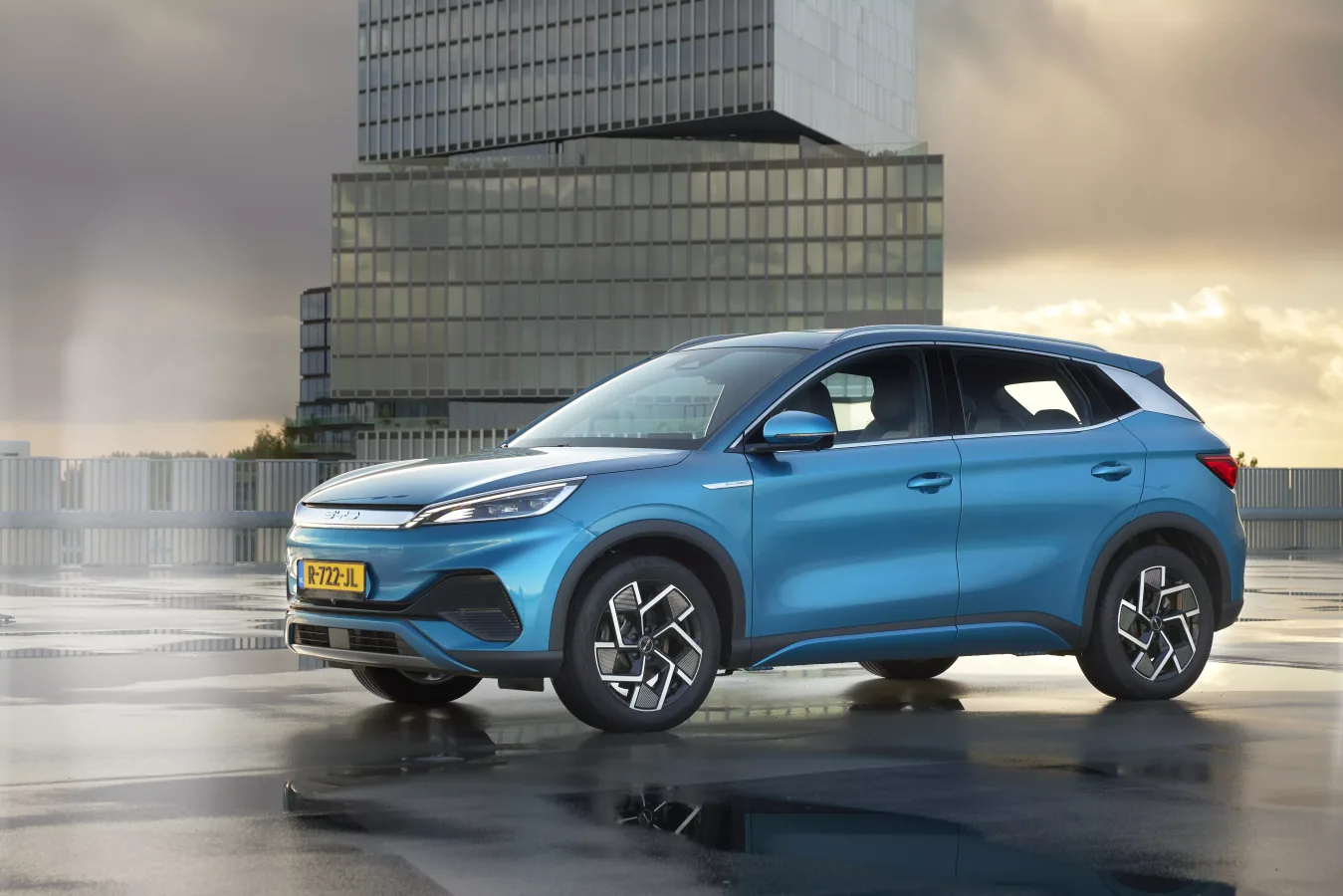
Bahrain is steadily embracing electric mobility as part of its broader efforts to modernize transportation and improve environmental sustainability. While conventional vehicles continue to dominate the roads, rising consumer awareness, evolving government initiatives, and advancements in charging technology are creating favorable conditions for electric vehicle (EV) adoption. As businesses and consumers become more conscious of long-term mobility solutions, the country's automotive landscape is gradually shifting toward electrification.
The transition is also supported by improvements in supporting infrastructure and growing interest from global automakers introducing new EV models across the Gulf region. An in-depth analysis of electric mobility developments in Bahrain highlights the factors influencing adoption, including policy initiatives, technological progress, and changing consumer preferences. These developments indicate that Bahrain is positioning itself to participate in the broader regional shift toward cleaner transportation.
According to MarkNtel Advisors, the evolution of Bahrain's electric vehicle ecosystem reflects a combination of infrastructure investments, technological innovation, and increasing market awareness. Rather than being driven by a single factor, the transition is shaped by collaboration among policymakers, automotive manufacturers, energy providers, and consumers seeking more sustainable mobility options.
Growing Focus on Sustainable Transportation
Environmental sustainability has become an important consideration for governments and consumers worldwide. Bahrain is increasingly recognizing the importance of reducing transport-related emissions while supporting cleaner energy initiatives. Electric vehicles align with these objectives by offering lower direct emissions and improved energy efficiency compared to traditional internal combustion engine vehicles.
As sustainability becomes integrated into long-term urban development strategies, EV adoption is expected to complement broader efforts aimed at improving environmental performance and supporting modern transportation systems. These initiatives also encourage innovation within the automotive sector while creating opportunities for supporting industries.
Charging Infrastructure Continues to Improve
A reliable charging network remains one of the most critical factors influencing EV adoption. Public charging stations, workplace charging solutions, and residential charging options all contribute to improving user confidence and convenience. As infrastructure expands, concerns regarding vehicle range and charging accessibility gradually decline.
Technology improvements are also making charging systems faster, smarter, and more efficient. Digital platforms that help drivers locate charging stations, monitor charging sessions, and manage payments further enhance the overall ownership experience. These innovations support a smoother transition toward electric mobility while encouraging wider consumer acceptance.
Technology Is Transforming the EV Experience
Modern electric vehicles offer significantly more than battery-powered transportation. Manufacturers continue to integrate advanced driver assistance systems, intelligent battery management, connected vehicle technologies, and software updates that improve vehicle performance over time. These technological improvements enhance safety, driving comfort, and operational efficiency.
Battery innovation also remains a major focus across the automotive industry. Improvements in battery performance, charging speed, durability, and energy efficiency continue to make EV ownership increasingly practical for both private consumers and commercial fleet operators.
Consumer Preferences Are Evolving
Today's vehicle buyers increasingly evaluate factors beyond purchase price alone. Operating efficiency, maintenance requirements, digital connectivity, environmental impact, and long-term ownership value have become important considerations during purchasing decisions. Electric vehicles address many of these evolving expectations through simplified powertrains, quieter operation, and lower routine maintenance requirements.
Growing product availability across multiple vehicle segments also provides consumers with greater flexibility when selecting an electric vehicle that matches their lifestyle, driving habits, and mobility requirements.
Business Opportunities Across the Value Chain
The growth of electric mobility extends beyond vehicle sales. Charging infrastructure providers, renewable energy companies, battery service providers, software developers, fleet operators, and maintenance specialists all benefit from the expanding EV ecosystem. This interconnected value chain supports economic diversification while encouraging innovation across multiple industries.
Financial institutions, insurance providers, and mobility service companies are also adapting their offerings to accommodate the changing transportation landscape, contributing to a more comprehensive electric mobility ecosystem.
Regional Collaboration Supports Market Development
Bahrain's automotive sector benefits from broader developments across the Gulf Cooperation Council (GCC), where governments continue investing in sustainable transportation, renewable energy integration, and smart city initiatives. Regional collaboration encourages knowledge sharing, infrastructure development, and greater availability of electric vehicle technologies throughout the Middle East.
As manufacturers expand their regional presence and introduce newer EV models, consumers gain access to a wider range of vehicles equipped with advanced technologies designed for local driving conditions.
Future Outlook
Bahrain's electric vehicle landscape continues to evolve through a combination of technological innovation, infrastructure development, supportive policy initiatives, and increasing consumer awareness. Although the transition toward widespread electrification will occur gradually, ongoing investments across the mobility ecosystem are strengthening the country's readiness for cleaner transportation solutions.
As the automotive industry continues to innovate and sustainability remains a strategic priority, electric vehicles are expected to become an increasingly important component of Bahrain's future transportation ecosystem, contributing to smarter, more efficient, and environmentally responsible mobility.

 English
 Arabic
 French
 Spanish
 Portuguese
 Deutsch
 Turkish
 Dutch
Dutch
 Russian
 Romaian
 Portuguese (Brazil)
 Greek
Greek