


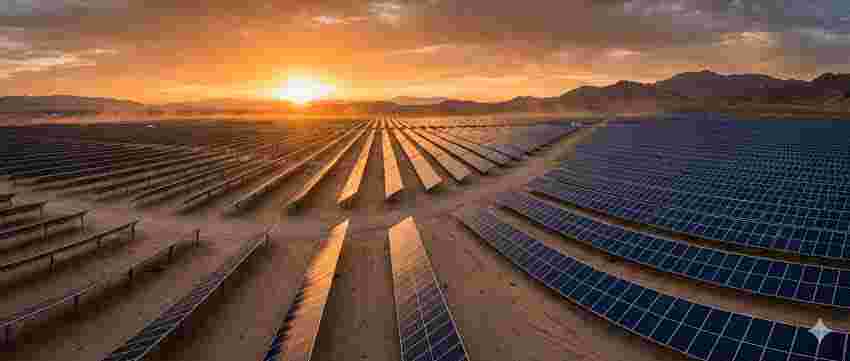
Solar energy adoption is rapidly increasing in Pakistan as homeowners, businesses, and industries look for ways to reduce electricity expenses. One of the most important components of a solar system is the net meter, which allows solar users to measure electricity flow between their solar system and the national grid.
Many people searching for solar solutions want to know the net meter price in Pakistan, installation charges, and the complete process of obtaining a net metering connection.
A net meter, also known as a bi-directional meter or green meter, records both electricity consumption from the grid and excess electricity supplied back to the grid. This helps solar users receive credit for surplus electricity generated by their solar system.
What Is a Net Meter?
A net meter is a special electricity meter installed for solar energy users who want to connect their solar system with the electricity grid.
Unlike a traditional electricity meter that only measures electricity consumption, a net meter records:
- Electricity imported from the grid
- Electricity exported to the grid
- Net electricity usage
When solar panels produce more electricity than a home or business consumes, the extra electricity flows back to the grid, and the meter records these exported units.
Net Meter Price in Pakistan
The net meter price in Pakistan depends on several factors, including meter type, capacity, electricity company requirements, installation charges, and application processing fees.
Generally, the estimated cost can vary depending on:
- Solar system size
- Distribution company (DISCO)
- Meter specifications
- Installation requirements
- Documentation charges
For most residential solar systems, the complete net metering process may include:
- Bi-directional meter cost
- Application fees
- Technical inspection charges
- Documentation expenses
- Installation charges
The total cost is usually included as part of a professional solar installation package offered by solar companies.
Factors Affecting Net Meter Price
Several factors influence the final price of a net meter installation.
1. Solar System Capacity
A larger solar system may require different technical requirements compared to a smaller residential system.
For example:
- Small home systems
- Commercial solar systems
- Industrial solar plants
may have different approval and installation requirements.
2. Electricity Distribution Company
Net metering procedures and charges may vary depending on your electricity provider, such as:
- LESCO
- IESCO
- FESCO
- MEPCO
- K-Electric
Each DISCO follows regulatory requirements for solar connections.
3. Meter Type
Solar net metering requires a bi-directional meter capable of measuring both incoming and outgoing electricity.
4. Installation Charges
Professional installation includes:
- Meter installation
- Electrical connections
- Testing
- System inspection
How Does Net Metering Work in Pakistan?
The working process of net metering is simple:
Step 1: Solar Energy Generation
Solar panels generate electricity during daylight hours.
Step 2: Household or Business Usage
The generated electricity first powers connected appliances.
Step 3: Excess Energy Export
If solar production exceeds consumption, extra electricity is exported to the grid.
Step 4: Electricity Credit
The exported units are recorded through the net meter and adjusted according to applicable billing rules.
The Ministry of Energy explains that net metering allows eligible solar PV consumers to export excess energy to distribution companies through a bi-directional meter.
Requirements for Net Metering in Pakistan
Before applying for net metering, customers generally need:
- A solar PV system
- Approved solar inverter
- Eligible electricity connection
- Required documentation
- Technical inspection approval
According to government guidelines, net metering eligibility depends on connection type and approved technical requirements.
Net Metering Process in Pakistan
The complete process usually includes the following steps:
1. Install a Solar System
The first step is installing a grid-connected solar system with approved equipment.
2. Submit Net Metering Application
The customer submits an application with required documents.
3. Technical Inspection
The electricity company conducts an inspection to verify system compliance.
4. Agreement Signing
After approval, the customer completes the required agreement process.
5. Net Meter Installation
The bi-directional meter is installed and activated.
DSG Energy explains that its net metering process includes system installation, application preparation, inspection, agreement completion, generation license approval, and meter activation.
Benefits of Installing a Net Meter
Reduce Electricity Bills
Net metering helps solar users reduce their electricity costs by utilizing their own generated power.
Earn Credit for Excess Electricity
Extra solar electricity can be exported to the grid and adjusted according to applicable regulations.
Improve Solar Investment Returns
Net metering improves the financial benefits of installing solar panels by maximizing electricity utilization.
Energy Independence
Solar users become less dependent on traditional electricity sources.
Support Renewable Energy
Solar net metering encourages clean energy adoption and reduces reliance on fossil fuels.
Net Metering for Residential Solar Systems
Homeowners commonly install net meters with rooftop solar systems.
Residential solar net metering helps families:
- Reduce monthly bills
- Use solar power efficiently
- Export extra electricity
- Improve savings
Homes with higher daytime solar production can benefit significantly from grid-connected solar systems.
Net Metering for Commercial Businesses
Businesses consume large amounts of electricity, making solar net metering a valuable solution.
Commercial users benefit through:
- Lower operational expenses
- Reduced electricity dependency
- Better energy management
- Improved sustainability
Net Metering for Industrial Solar Systems
Industries with large solar installations can use net metering to optimize energy consumption.
Industrial benefits include:
- Reduced production costs
- Better energy efficiency
- Long-term savings
- Improved sustainability goals
Why Choose DSG Energy for Net Metering Solutions?
DSG Energy provides complete solar solutions, including professional net metering assistance for residential, commercial, and industrial customers across Pakistan. The company helps customers throughout the process, from solar system installation and application preparation to inspection, approval, and meter activation.
With customized solar solutions, advanced technology, and technical support, DSG Energy helps customers maximize the benefits of renewable energy.
You can explore DSG Energy's net metering services here:
Net Metering Solutions: https://dsgenergy.com.pk/net-metering/
Tips Before Applying for Net Metering
Before starting the process, consider:
Choose a Reliable Solar Company
A professional company ensures proper documentation and technical compliance.
Install Quality Equipment
Approved solar panels and inverters improve system reliability.
Check System Capacity
Your solar system should match your electricity consumption needs.
Understand Current Regulations
Solar policies and billing mechanisms can change over time, so always confirm current requirements before investment. Recent discussions around Pakistan's solar policy indicate that billing rules and compensation structures have been subject to regulatory changes.
Frequently Asked Questions
What is the net meter price in Pakistan?
The price depends on solar system size, electricity company requirements, meter type, and installation charges.
Is a net meter necessary for solar systems?
A net meter is required for grid-connected solar systems that export excess electricity back to the electricity grid.
Can I install a net meter at home?
Yes, eligible residential solar users can apply for net metering according to electricity company requirements.
How long does net metering approval take?
The timeline depends on documentation, inspection, and electricity company processing requirements. DSG Energy mentions that the process may take around 90 days depending on completion of requirements.
What is the difference between a normal meter and a net meter?
A normal meter measures electricity consumption only, while a net meter measures both imported and exported electricity.
Conclusion
Understanding the net meter price in Pakistan is important for anyone planning to install a solar energy system. A net meter allows solar users to efficiently manage electricity consumption, export surplus energy, and improve the financial benefits of solar investment.
Whether you are installing solar panels for your home, business, industry, or agricultural project, choosing a reliable solar partner ensures a smooth net metering process. With professional assistance from companies like DSG Energy, customers can successfully transition toward affordable, clean, and sustainable energy solutions.

 English
 Arabic
 French
 Spanish
 Portuguese
 Deutsch
 Turkish
 Dutch
Dutch
 Italiano
 Romaian
 Portuguese (Brazil)
 Greek
Greek