


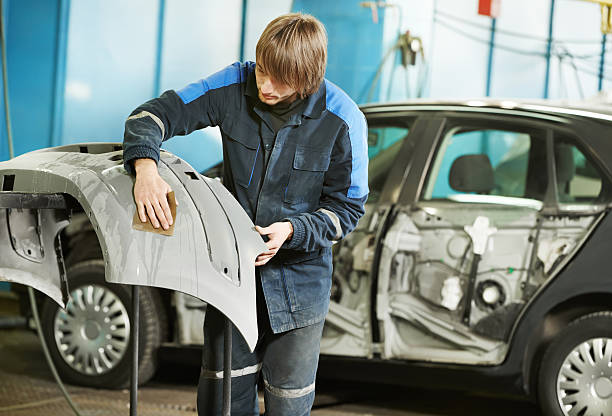
The automotive industry is undergoing a rapid transformation as manufacturers focus on delivering vehicles that offer enhanced safety, improved fuel efficiency, and modern aesthetics. Among the many components contributing to this evolution, automotive bumpers have become far more than simple protective structures. Today’s bumpers are engineered using advanced materials and innovative designs that help absorb collision impacts, support vehicle sensors, and improve overall vehicle performance.
As consumer expectations continue to rise and governments strengthen vehicle safety regulations, manufacturers are investing in bumper technologies that balance durability, lightweight construction, and functionality. These developments are reshaping production strategies and encouraging greater innovation across the global automotive ecosystem.
According to a recent industry analysis on automotive bumper solutions, manufacturers are increasingly focusing on lightweight materials, advanced manufacturing processes, and integrated safety features to meet evolving automotive requirements. These innovations are expected to influence vehicle design and component development throughout the coming years.
Why Automotive Bumpers Matter More Than Ever
Automotive bumpers serve as the first line of defense during low-speed impacts by minimizing damage to critical vehicle components. However, their role has expanded significantly in modern vehicles. Today's bumper systems accommodate advanced driver assistance systems (ADAS), parking sensors, radar modules, and cameras while maintaining structural integrity.
Modern bumper designs also contribute to vehicle aerodynamics, pedestrian safety, and overall styling. Automakers now treat bumpers as multifunctional components that improve both safety performance and visual appeal.
Growing Demand for Lightweight Materials
Reducing vehicle weight has become a key objective for automakers aiming to improve fuel efficiency and extend electric vehicle driving range. This has encouraged manufacturers to replace traditional steel components with advanced materials such as:
- High-performance thermoplastics
- Polypropylene composites
- Carbon fiber-reinforced plastics
- Glass fiber composites
- Aluminum-based structures
These materials provide excellent impact resistance while reducing overall vehicle weight. They also offer improved corrosion resistance and greater flexibility in manufacturing complex bumper designs.
Advanced Safety Technologies Are Changing Bumper Design
Modern vehicles increasingly rely on intelligent safety systems, many of which are housed behind the front and rear bumpers. Radar sensors, ultrasonic parking sensors, collision avoidance systems, and adaptive cruise control technologies require bumpers that allow accurate signal transmission without compromising durability.
This integration has encouraged suppliers to develop bumper materials that are compatible with sensor technologies while maintaining strength and appearance. As autonomous driving capabilities continue to expand, bumper systems will play an even greater role in supporting vehicle intelligence.
Electric Vehicles Are Creating New Opportunities
The growing adoption of electric vehicles is transforming bumper engineering. Unlike conventional vehicles, EVs require lightweight components to maximize battery efficiency and driving range. Manufacturers are also redesigning front-end vehicle architecture, creating opportunities for more aerodynamic bumper designs.
Additionally, EV manufacturers often integrate charging-related components, sensors, and cooling systems into bumper assemblies, increasing the complexity and value of these components.
Sustainability Is Becoming a Competitive Advantage
Environmental sustainability has become an important consideration throughout the automotive supply chain. Manufacturers are increasingly exploring recyclable plastics, bio-based composites, and environmentally friendly production methods to reduce carbon emissions.
Many companies are investing in circular manufacturing strategies that recover and recycle bumper materials after vehicle disposal. These initiatives support sustainability goals while helping manufacturers comply with evolving environmental regulations.
Manufacturing Innovations Driving Efficiency
Technological advancements in manufacturing are improving bumper production quality and reducing costs. Several modern production techniques are gaining popularity, including:
- Injection molding for high-volume production
- Robotic assembly systems
- Precision painting technologies
- Computer-aided quality inspection
- Digital manufacturing and automation
These technologies enable manufacturers to produce highly consistent components while reducing material waste and improving operational efficiency.
Regional Growth Trends
Automotive production continues to expand across multiple regions, creating new opportunities for bumper manufacturers. Asia-Pacific remains a major manufacturing hub due to large-scale vehicle production, expanding electric vehicle adoption, and strong supplier networks.
North America continues to experience steady demand supported by technological innovation and increasing adoption of advanced safety systems. Meanwhile, Europe maintains its leadership in sustainable automotive manufacturing and premium vehicle production, encouraging continued investment in innovative bumper technologies.
Challenges Facing Manufacturers
Despite strong innovation, manufacturers face several industry challenges. Fluctuating raw material prices can affect production costs, while increasingly complex bumper designs require significant research and development investments. Supply chain disruptions, evolving safety standards, and the need to integrate sophisticated electronics also add complexity to production processes.
Balancing affordability, sustainability, durability, and technological integration remains one of the industry's biggest priorities.
The Road Ahead
The future of automotive bumpers will be shaped by advancements in connected mobility, autonomous driving, and electric transportation. As vehicles become smarter, bumper systems will continue evolving into multifunctional platforms capable of supporting advanced sensing technologies while maintaining lightweight performance and superior crash protection.
Innovations in materials science, digital manufacturing, and sustainable production practices are expected to further enhance bumper capabilities. Manufacturers that successfully combine safety, aesthetics, environmental responsibility, and technological integration will be well positioned to meet the evolving demands of the global automotive sector.
As highlighted in recent research published by MarkNtel Advisors, the automotive bumper landscape continues to evolve alongside broader developments in vehicle safety, electrification, and intelligent mobility. Businesses across the automotive value chain are closely monitoring these trends to identify future opportunities and strengthen their competitive position.

 English
 Arabic
 French
 Spanish
 Deutsch
 Turkish
 Dutch
Dutch
 Italiano
 Russian
 Romaian
 Portuguese (Brazil)
 Greek
Greek