


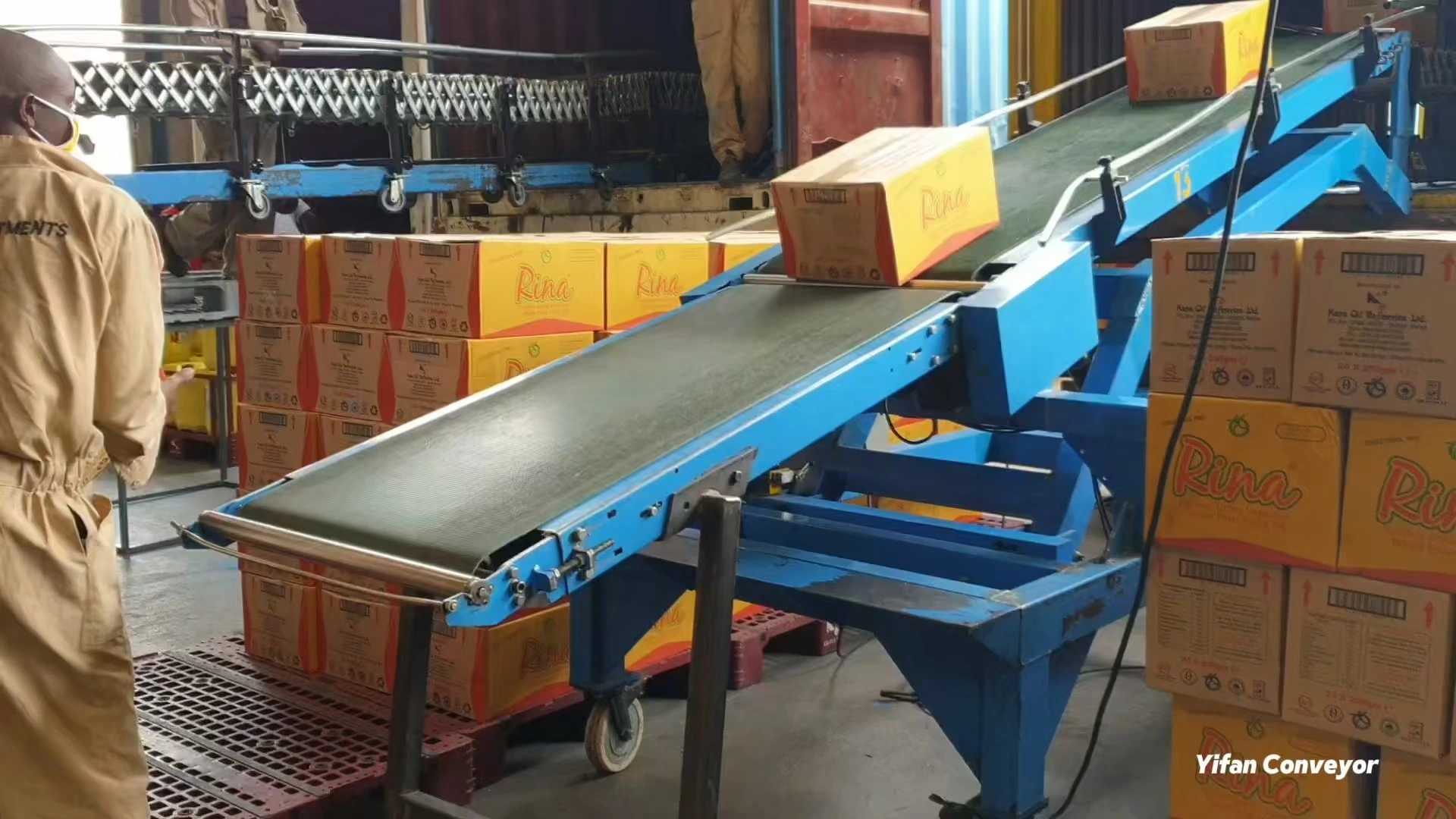
In logistics, time really is money, and few metrics matter more than how quickly a truck can be loaded and sent back out onto the road toward its next destination. Every extra minute a truck spends sitting at the dock is a minute it isn't generating revenue, and across a large fleet, those minutes add up to substantial lost capacity over the course of a year. Faster turnaround times aren't just a nice-to-have; they're often the difference between a logistics operation that scales profitably and one that struggles to keep pace with growing demand.
Why Turnaround Time Matters So Much
Turnaround time affects far more than just a single truck's schedule; it ripples through an entire logistics network, influencing delivery windows, driver hours, and how efficiently a fleet can be utilized across multiple routes each day. A facility that loads trucks quickly can schedule more deliveries per driver shift, reducing the total number of drivers and vehicles needed to move the same volume of goods. This efficiency gain becomes increasingly valuable as fuel costs, driver shortages, and delivery expectations continue putting pressure on logistics budgets industry-wide.
Bottlenecks That Slow Down Manual Loading
Manual loading tends to create predictable bottlenecks, whether that's workers waiting for available dock space, inconsistent pacing between different crew members, or simple physical fatigue slowing things down as a shift wears on. These bottlenecks compound during peak periods, when the pressure to load faster often leads to shortcuts, mistakes, or even safety incidents that ultimately slow things down even further. Identifying exactly where these bottlenecks occur is usually the first step toward understanding how automated equipment could meaningfully improve overall flow.
How Conveyor Systems Streamline the Process
A properly configured truck loading conveyor system creates a continuous, predictable flow of goods from the warehouse floor into the trailer, removing much of the variability that comes with manual carrying and stacking. Because the conveyor maintains a steady pace regardless of worker fatigue, loading times become far more consistent and predictable across different shifts and different crews. This predictability alone makes scheduling considerably easier, since dock managers can plan around reliable loading windows rather than constantly adjusting for variable manual pacing.
Real-World Impact on Delivery Schedules
Facilities that have made the switch to conveyor-assisted loading often report loading times cut by half or more compared to fully manual processes, depending on the specific goods and dock configuration involved. This kind of improvement directly translates into tighter, more reliable delivery schedules, which matters enormously for time-sensitive shipments or contracts with strict delivery windows. Customers and partners downstream in the supply chain also benefit from this improved reliability, since consistent loading times support more accurate delivery estimates throughout the entire process.
Measuring the Full Impact on Your Operation
Quantifying the exact impact of faster loading on your specific operation requires tracking a few key metrics before and after implementation, including average dock time per truck, total trucks processed per day, and any associated labor cost changes. Many facilities are surprised by just how much faster loading translates into broader gains, from reduced overtime costs to the ability to take on additional shipping contracts without expanding physical dock space. Taking the time to measure these results properly also builds a strong internal case for expanding automated loading to additional dock doors down the line.

 English
 Arabic
 French
 Spanish
 Portuguese
 Deutsch
 Turkish
 Dutch
Dutch
 Italiano
 Russian
 Romaian
 Portuguese (Brazil)