


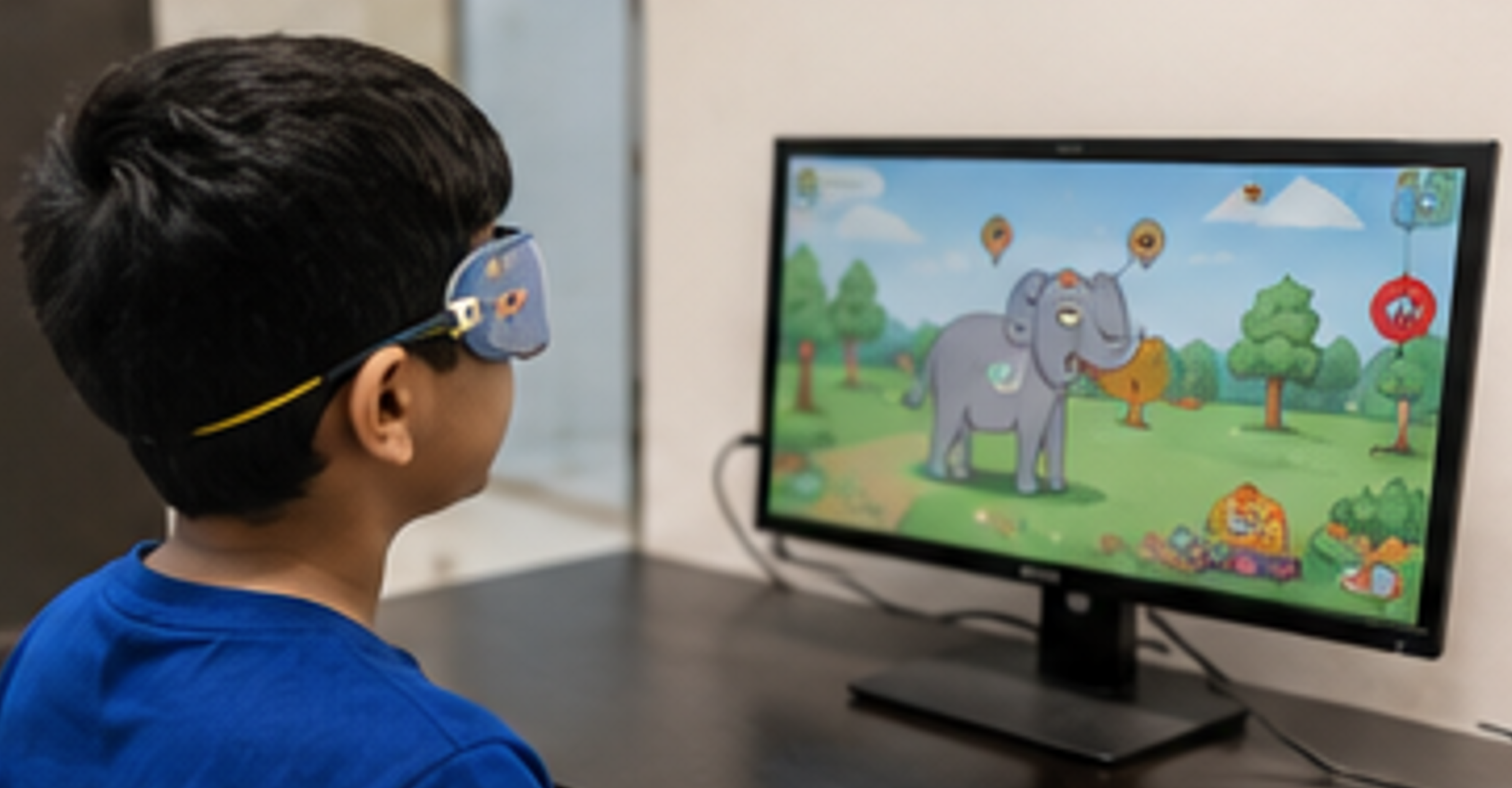
A squint, also known as strabismus, does not always require surgery. In many cases, the condition can be managed with glasses, vision therapy, or other non surgical approaches. Surgery is usually recommended when the eyes remain misaligned despite these treatments or when the degree of misalignment affects vision, depth perception, or daily activities. The right Squint Eye Treatment depends on the cause of the condition, the patient's age, and the severity of the eye deviation.
What Is a Squint Eye?
A squint occurs when both eyes do not point in the same direction at the same time. One eye may look straight ahead while the other turns inward, outward, upward, or downward.
The condition can affect both children and adults. Some people have a constant squint, while others notice it only when they are tired or focusing on nearby objects.
Common causes include:
-
Weak coordination between the eye muscles
-
Nerve related conditions
-
Vision differences between the eyes
-
Eye injuries
-
Certain medical conditions present from birth
Early evaluation helps identify the reason behind the misalignment and guides the most suitable treatment plan.
Does Every Squint Require Surgery?
No.
Many patients improve without surgery, especially when the condition is identified early.
Depending on the cause, an eye specialist may recommend:
-
Prescription glasses
-
Prism lenses
-
Vision therapy
-
Eye exercises in selected cases
-
Treatment for underlying eye conditions
These options may improve eye alignment or reduce symptoms without the need for an operation.
When Is Surgery Recommended?
Surgery becomes an option when non surgical treatments cannot provide satisfactory eye alignment or visual function.
Some common situations include:
Persistent Eye Misalignment
If the eyes remain noticeably misaligned despite wearing glasses or following other treatments, surgery may be advised to improve alignment.
Poor Binocular Vision
When both eyes cannot work together properly, depth perception may be affected.
Surgery may help improve eye coordination, allowing both eyes to function more effectively as a team.
Double Vision in Adults
Adults with acquired squint sometimes experience double vision because both eyes send different images to the brain.
If other treatment methods do not resolve the problem, surgery may help restore proper alignment.
Cosmetic Concerns
Visible eye misalignment can affect confidence in both children and adults.
Although appearance alone is not always the primary reason for surgery, improving eye alignment may have positive social and psychological benefits when combined with better visual function.
Certain Childhood Cases
Children with large angle squints or specific forms of strabismus may require surgery at an early stage to support normal visual development.
The timing depends on the type of squint and the recommendation of the treating eye specialist.
How Squint Surgery Works
Squint surgery focuses on adjusting the eye muscles that control eye movement.
The surgeon may:
-
Strengthen certain muscles
-
Weaken others
-
Reposition one or more muscles
These adjustments help both eyes point in the same direction.
The procedure does not involve removing the eye and usually takes place under general anesthesia for children and either general or local anesthesia for adults.
What Happens Before Surgery?
A detailed eye examination is performed before deciding on surgery.
The assessment may include:
-
Vision testing
-
Eye movement evaluation
-
Measurement of the angle of squint
-
Binocular vision assessment
-
General eye health examination
This information helps determine whether surgery is the most appropriate option and how many muscles need correction.
Recovery After Squint Surgery
Recovery is generally straightforward, although every patient heals differently.
After surgery, patients may notice:
-
Mild redness
-
Temporary discomfort
-
Watering of the eyes
-
Slight sensitivity to light
These symptoms usually improve over time with prescribed medication and follow up care.
Children often return to their normal routine within a short period, while adults may need slightly longer depending on their work and daily activities.
Can Surgery Completely Correct a Squint?
Many patients experience significant improvement in eye alignment after surgery.
However, results vary depending on:
-
The cause of the squint
-
The severity of misalignment
-
The patient's age
-
Overall eye health
-
Presence of amblyopia or other vision conditions
Some patients may require additional procedures or continued vision therapy to achieve the best possible outcome.
This is why Squint Eye Treatment often combines surgery with other methods rather than relying on surgery alone.
Importance of Early Evaluation
Parents should arrange an eye examination if they notice:
-
One eye turning inward or outward
-
Frequent head tilting
-
Closing one eye in bright sunlight
-
Complaints of double vision
-
Difficulty focusing
-
Poor depth perception
Adults who develop a new squint should also seek prompt medical attention, as sudden eye misalignment may sometimes be linked to underlying neurological or medical conditions.
Early diagnosis allows specialists to choose the most suitable treatment before vision problems become more difficult to manage.
Conclusion
Squint surgery is not necessary for every patient, but it can be an effective option when eye alignment does not improve with non surgical care or when vision is significantly affected. The decision is based on a detailed eye examination, the cause of the squint, and the individual's visual needs. Whether treatment involves glasses, vision therapy, surgery, or a combination of approaches, starting Squint Eye Treatment at the right time gives patients the best opportunity to improve eye alignment, binocular vision, and overall quality of life.
Q.1 Does every squint require surgery?
Ans. No. Many patients improve with glasses, vision therapy, or other non surgical treatments. Surgery is recommended only when these options do not provide adequate eye alignment.
Q.2 At what age can squint surgery be performed?
Ans. The timing depends on the type and severity of the squint. Some children benefit from early surgery, while others may be treated later based on their eye specialist's recommendation.
Q.3 Is squint surgery painful?
Ans. Patients are given anesthesia during the procedure. Mild discomfort, redness, and watering may occur afterward but usually improve with prescribed medication.
Q.4 Can squint return after surgery?
Ans. In some cases, eye misalignment may return over time, and additional treatment or another procedure may be required depending on the underlying condition.
Q.5 How long does recovery take after squint surgery?
Ans. Most patients recover within a few weeks, although complete healing and stabilization of eye alignment may take longer depending on the individual case.

 Arabic
 French
 Spanish
 Portuguese
 Deutsch
 Turkish
 Dutch
Dutch
 Italiano
 Russian
 Romaian
 Portuguese (Brazil)
 Greek
Greek