


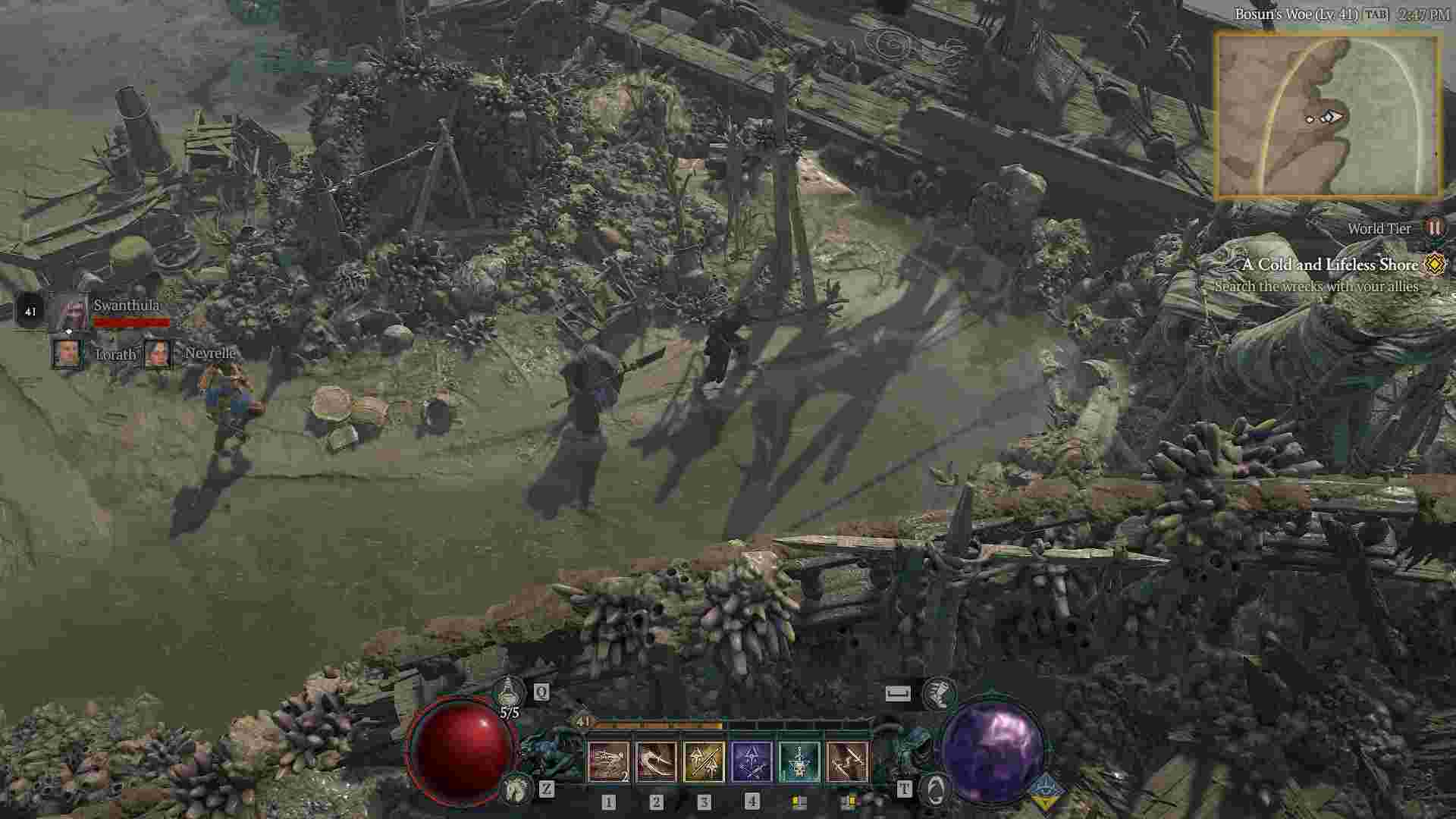
Diablo 4's 3.2.0 PTR feels less like a season preview and more like a stress test for progression. Soul Splinters add risky power, Mythic crafting protects investment, and several familiar items are being reshaped. If you're preparing a test character, browsing Diablo 4 Items can help you plan around the new systems before entering Sanctuary.
What the PTR Is Really Testing
The August 4 to August 11 test focuses on systems that affect everyday decisions. Challenge Dungeons, Overland Ambushes, Charms, Rebirth, and the Horadric Post are all important, but the biggest question is simple: can Diablo 4 make progression more controlled without making loot feel ordinary?
In actual runs, Soul Splinters create the most immediate tension. Each socketable option grants resistance and a powerful effect, then asks you to accept a clear drawback.
Soul Splinters Change How Builds Take Risks
Splinter of Anguish improves Critical Strike Chance and Attack Speed while increasing resource costs. Splinter of Pain offers Damage Reduction but reduces Movement Speed. Splinter of Hellfire delivers strong multiplicative damage while removing Critical Strike Chance. These are not passive upgrades. They push you toward different combat habits.
Who Should Use Them
Fast farming builds may tolerate resource penalties, while Hardcore players will value defensive options more. Splinter of Lies looks useful for leveling because it improves experience and material gains, but its Vulnerable and Weakened states can become dangerous during tougher encounters.
1. Test each Splinter during real combat rotations.
2. Record resource loss, survival, and clear speed.
3. Remove options that create problems during bosses.
Mythic Crafting Protects Long-Term Investment
The Horadric Cube can convert a qualifying item into a Mythic version while preserving affixes, Tempering, and Masterworking. That is a major quality-of-life improvement for players who have spent hours refining one centerpiece item. The Crafted tag limits this route to one equipped item, preventing every slot from becoming fully predictable.
The Jeweler offers a different path by targeting a slot and producing a class-valid Mythic Unique. The Blacksmith's Mythic Cache adds another broad acquisition route. Together, these options let you secure one important item while still chasing surprises elsewhere.
Gladiator's Triumph and Rogue Testing
Gladiator's Triumph keeps its guaranteed Primary Core Stat and Critical Strike Chance, while its former bonus damage issue has been corrected. Rogue players should test it with Imbuements, Combo Point spending, and mixed skill categories. Tricks of the Trade now supports Marksman, Cutthroat, Mobility, and Trap skills, so flexible rotations may gain more value than narrow attack loops.
Best Fit
This glove suits players who enjoy active Rogue combat and frequent skill changes. It is less attractive for a build that repeats one attack without exploiting the broader damage structure.
Rage of Harrogath and Bleeding Barbarians
Rage of Harrogath now reduces cooldowns by 0.5 seconds per activation instead of one second. In practice, you'll need more Bleeding applications to maintain the same rhythm. That matters because Two-Handed Sword Expertise, Disembowel, Hemorrhage, and Blood Rage are also receiving lower damage values.
Bleeding remains worth testing, but the chest must still change how the build plays. If cooldown recovery no longer feels noticeable during dense encounters, defensive or offensive alternatives may become more appealing.
1. Compare cooldown access across identical dungeon routes.
2. Track Bleeding uptime against Elite groups.
3. Test defensive chest options beside Harrogath.
Supporting Systems Worth Your Time
Challenge Dungeons let players raise encounters above their current Torment level, making mechanical execution more important than inflated enemy health. Overland Ambushes add pressure to open-world travel, while Charms allow familiar Unique effects to influence builds without occupying their original slots.
Rebirth is especially useful for players attached to one character. It preserves identity, cosmetics, name, and playtime while resetting the character for seasonal progression. Just remember to clear equipment and inventory first.
Quick Comparison for PTR Builds
These systems serve different goals, so the best choice depends on how you spend your time in Diablo 4.
| System | Main Value | Best For |
|---|---|---|
| Soul Splinters | Risk based combat power | Experimental builds |
| Mythic crafting | Protected item investment | Endgame planners |
| Challenge Dungeons | Scalable skill checks | Competitive players |
| Rebirth | Character continuity | Long term mains |
For most players, start with Mythic conversion and Soul Splinter testing, then examine Gladiator's Triumph or Rage of Harrogath if those items match your class. Keep notes from repeated runs rather than trusting one lucky result. When your test build needs targeted upgrades, cheap Diablo 4 Items may help you compare setups, but the strongest PTR feedback still comes from understanding how each system feels in motion.

 English
 Arabic
 French
 Spanish
 Portuguese
 Deutsch
 Turkish
 Dutch
 Italiano
 Russian
 Portuguese (Brazil)
 Greek