


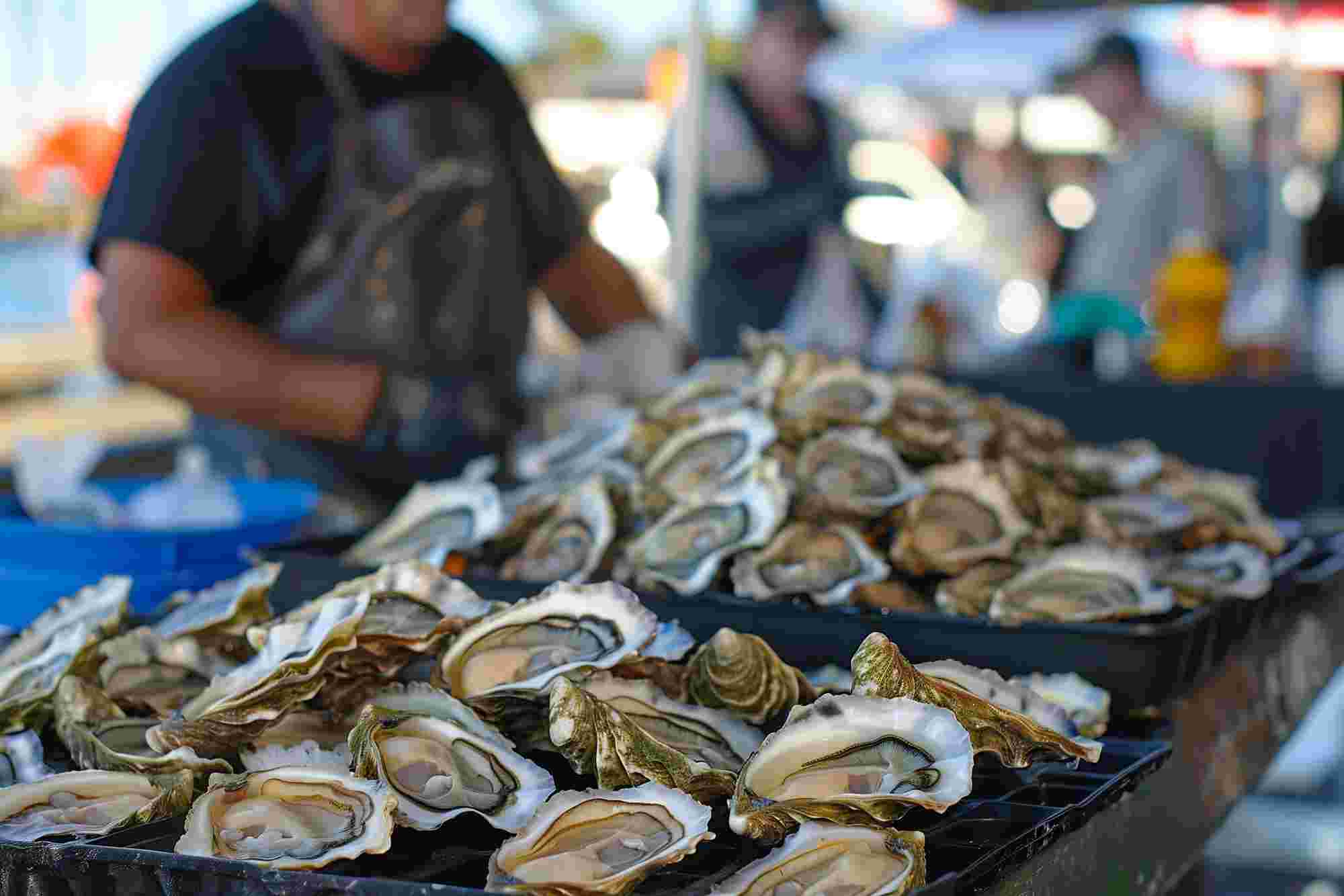
When choosing seafood at a restaurant, many diners wonder whether local or imported seafood is the better option. If you're looking for fresh local seafood, understanding the differences can help you make a more informed choice. At Southerleigh Fine Food & Brewery, Gulf Coast seafood plays an important role in the menu, offering guests fresh flavors that celebrate the region while highlighting the value of quality ingredients.
What Is Local Seafood?
Local seafood refers to fish and shellfish that are caught or harvested close to where they're sold and served. Along the Texas Gulf Coast, this often includes oysters, shrimp, redfish, snapper, and other seasonal catches.
Because local seafood usually travels a shorter distance, it can reach restaurants more quickly. This often helps preserve its natural flavor and texture, giving diners a fresher dining experience.
What Is Imported Seafood?
Imported seafood comes from other states or countries and is transported to markets and restaurants. In many cases, imported seafood is frozen shortly after it's caught to maintain quality during shipping.
High-quality imported seafood can still be an excellent choice, especially when certain species aren't available locally. Many restaurants rely on imported seafood to offer a wider variety of menu options throughout the year.
Freshness Makes a Difference
One of the biggest advantages of local seafood is freshness. Shorter transportation times often mean the seafood arrives at the restaurant sooner, allowing chefs to prepare it while it's at its best.
Fresh seafood typically offers:
-
Better texture
-
Cleaner flavor
-
Firmer consistency
-
More natural taste
-
Excellent presentation
Whether it's grilled fish or fresh oysters, quality ingredients always make a noticeable difference.
Supporting Local Fisheries
Choosing local seafood doesn't just benefit your meal—it also supports regional fishing communities and businesses.
Restaurants that purchase Gulf Coast seafood help sustain local fishermen and encourage responsible harvesting practices. Supporting local suppliers also strengthens the regional economy while giving diners access to seasonal seafood that's native to the area.
When Imported Seafood Makes Sense
Imported seafood isn't automatically lower in quality. Some species simply aren't available in local waters, making imports the only practical option.
Restaurants may choose imported seafood because it offers:
-
Greater menu variety
-
Year-round availability
-
Access to specialty seafood
-
Consistent supply
When sourced responsibly and handled correctly, imported seafood can still provide an excellent dining experience.
Which Option Offers Better Flavor?
Flavor often depends more on freshness and preparation than on where the seafood comes from.
Fresh Gulf shrimp, oysters, and seasonal fish are known for their clean, rich flavor because they spend less time in transit. However, premium imported seafood that's properly stored and prepared can also deliver exceptional taste.
The key is choosing a restaurant that values quality sourcing regardless of where its seafood originates.
Why Many Diners Prefer Local Seafood
Many guests appreciate local seafood because it reflects the flavors of the region. Dining becomes more than just eating—it's an opportunity to experience local traditions and seasonal ingredients.
At Southerleigh Fine Food & Brewery, Gulf Coast seafood is featured in a variety of dishes that celebrate Texas cuisine. Fresh oysters, seasonal fish, and Gulf shrimp showcase how locally sourced ingredients can create flavorful, memorable meals.
How to Choose a Great Seafood Restaurant
Whether you prefer local or imported seafood, selecting the right restaurant is essential.
Look for restaurants that:
-
Prioritize fresh ingredients
-
Source seafood responsibly
-
Offer seasonal menu items
-
Maintain high food safety standards
-
Have knowledgeable staff who can answer questions about the menu
These qualities often indicate a restaurant that's committed to serving high-quality seafood.
Final Thoughts
So, local seafood vs imported seafood—which is better? The answer depends on what you're looking for. Local seafood often offers outstanding freshness, supports nearby fishing communities, and showcases regional flavors. Imported seafood provides variety and allows restaurants to serve species that may not be available locally.
Ultimately, the best dining experience comes from restaurants that focus on quality, responsible sourcing, and expert preparation. At Southerleigh Fine Food & Brewery, guests can enjoy fresh Gulf Coast seafood prepared with care, making every meal a delicious celebration of Texas coastal flavors.
FAQs
1. Is local seafood fresher than imported seafood?
In many cases, yes. Local seafood usually reaches restaurants more quickly, which can help preserve its freshness and flavor.
2. Is imported seafood safe to eat?
Yes. When sourced from reputable suppliers and handled properly, imported seafood is safe and can be of excellent quality.
3. Why do restaurants serve imported seafood?
Some seafood species aren't available locally year-round, so imported options help provide greater menu variety.
4. What are common types of local Gulf Coast seafood?
Popular options include Gulf shrimp, oysters, redfish, snapper, crab, and seasonal fish.
5. How can I tell if a restaurant serves quality seafood?
Look for fresh ingredients, seasonal menus, responsible sourcing practices, and knowledgeable staff who can answer questions about the seafood they serve.
Short Summary
Wondering whether fresh local seafood is better than imported seafood? Learn the key differences, the benefits of each option, and why quality sourcing matters when choosing your next seafood restaurant.

 English
 Arabic
 French
 Spanish
 Portuguese
 Turkish
 Dutch
Dutch
 Italiano
 Russian
 Romaian
 Portuguese (Brazil)
 Greek
Greek