


Few watch brands can trace a continuous, unbroken story of innovation across more than 140 years. Seiko is one of them. To understand why the brand commands such respect today, it helps to walk through its history chronologically, watching how a small Tokyo repair shop transformed into one of the most influential watchmakers in the world.
1881: A Shop, Not Yet a Company
Seiko's origins trace back to a modest storefront in Tokyo's Ginza district, opened by a young entrepreneur named Kintaro Hattori. At the time, the shop dealt primarily in repairing imported clocks and watches, a practical trade in a seikowatch country only recently opened to Western technology and trade. Hattori, however, wasn't content to simply fix other people's products forever.
1892–1913: From Repairs to Manufacturing
Within just over a decade, Hattori's business had evolved into a manufacturer in its own right. Operating under the name Seikosha, the company began producing clocks domestically rather than relying on imports. This shift marked the beginning of Seiko's identity as a maker rather than a middleman.
The momentum continued into 1913, when Seiko introduced the Laurel, Japan's first-ever wristwatch. At a time when wristwatches themselves were still a relatively new concept globally, having largely evolved out of pocket watches, this was a genuinely significant achievement for a company barely three decades old.
Mid-20th Century: Competing on the World Stage
By the 1950s and 1960s, Seiko had grown into a serious competitor on the international stage. The company began entering its chronometers into precision timing competitions, events traditionally dominated by Swiss manufacturers. Seiko's strong performances in these competitions signaled that Japanese watchmaking had arrived as a legitimate rival to European tradition, not merely an imitator of it.
1969: The Astron and the Quartz Revolution
If there's a single moment that defines Seiko's legacy, it's the release of the Astron in December 1969. As the world's first quartz wristwatch, the Astron offered a level of timekeeping accuracy that mechanical movements simply could not achieve. It was also, eventually, far cheaper to manufacture at scale.
The consequences rippled across the entire watch industry. Many long-established Swiss manufacturers, unprepared for this shift, saw their sales and market share erode throughout the 1970s and into the 1980s. This period became known as the quartz crisis, and it fundamentally altered how the world thought about watchmaking. Seiko, having triggered the shift, used the opportunity to expand its international presence significantly.
Continued Innovation: Spring Drive and Beyond
Rather than abandoning mechanical watchmaking in favor of quartz, Seiko pursued both paths simultaneously. This dual commitment eventually produced Spring Drive, a hybrid movement combining mechanical power generation with electronic quartz regulation. The result is a movement capable of extraordinary accuracy https://seikowatch.co.uk/ alongside a uniquely smooth, glide-like sweep of the seconds hand, a signature feature collectors often describe as mesmerizing to watch in person.
Present Day: A Lineup for Every Kind of Wearer
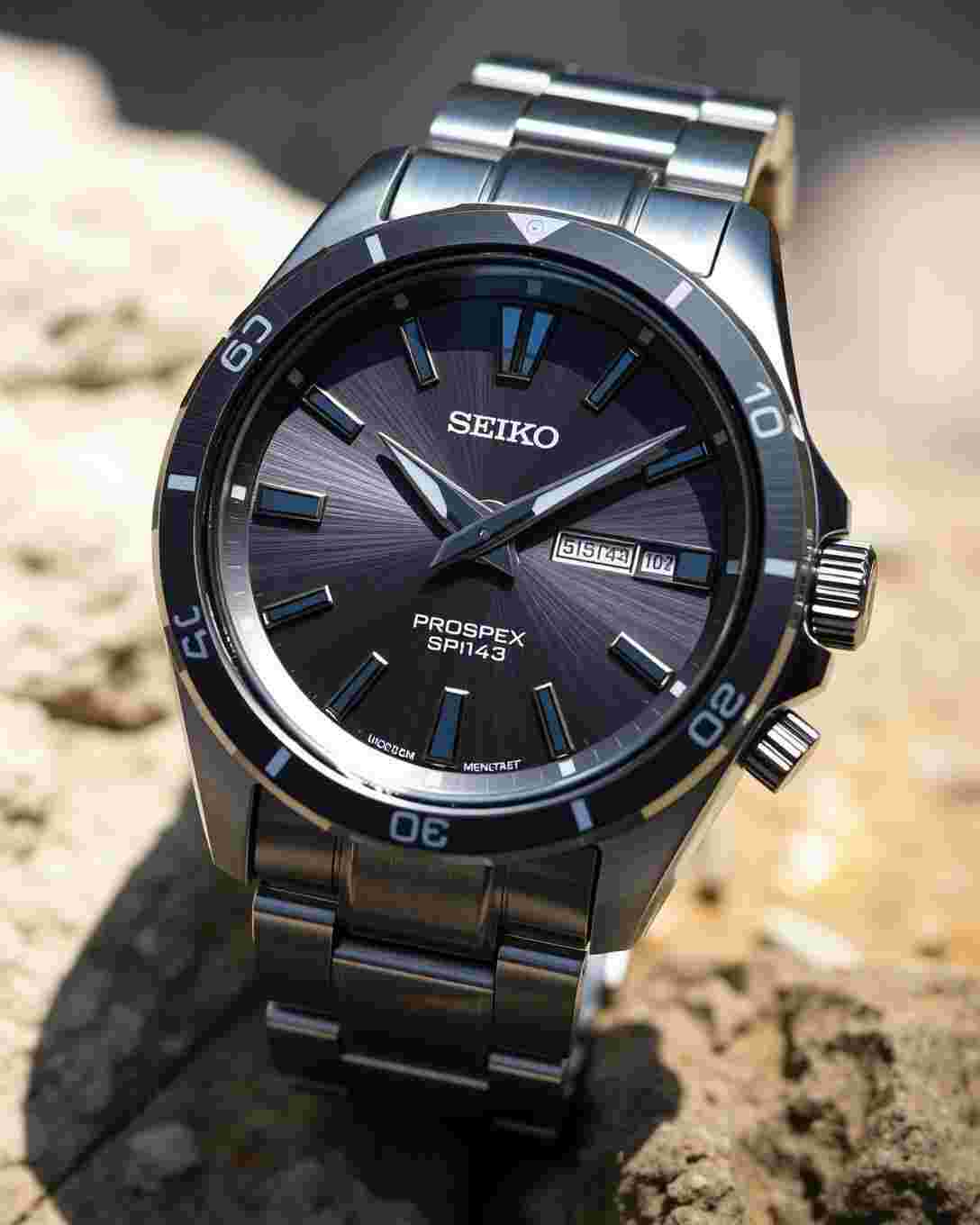
Today, Seiko's product range reflects the full breadth of its history. The Seiko 5 series continues to serve as an accessible entry point for newcomers to automatic watches, offering reliable movements at approachable prices. The Prospex collection carries forward Seiko's tradition of rugged, purpose-built tool watches, particularly dive watches trusted by professionals and hobbyists alike.
At the top of the hierarchy sits Grand Seiko, which, though it now operates independently, remains deeply tied to Seiko's founding philosophy of precision and craftsmanship. Grand Seiko watches are celebrated for their intricately finished cases and dials often inspired by the changing seasons and landscapes of Japan, alongside movements built to rival the world's finest.
Why the History Still Matters
Understanding Seiko's timeline isn't just an academic exercise. It explains why the brand behaves the way it does today. Seiko didn't inherit its reputation; it built it, decision by decision, through repeated cycles of innovation, competition, and refinement. That history is embedded in every current watch the company produces, from the most affordable Seiko 5 to the most exclusive Grand Seiko creation.
A Legacy That Keeps Moving Forward
What makes Seiko particularly compelling isn't just its past achievements but its continued relevance. The brand hasn't settled into nostalgia or coasted on its historical reputation. It continues releasing new models, experimenting with materials and designs, and maintaining the same manufacturing philosophy that made it successful in the first place: build it yourself, build it well, and never stop improving.
From a small repair shop in 1881 Tokyo to a company that reshaped the global watch industry with quartz technology, Seiko's timeline reads like a case study in sustained innovation. For collectors and casual wearers alike, that history isn't just interesting trivia; it's a genuine reason to trust what's on their wrist.

 English
 Arabic
 French
 Spanish
 Portuguese
 Deutsch
 Turkish
 Dutch
Dutch
 Russian
 Romaian
 Portuguese (Brazil)
 Greek
Greek