


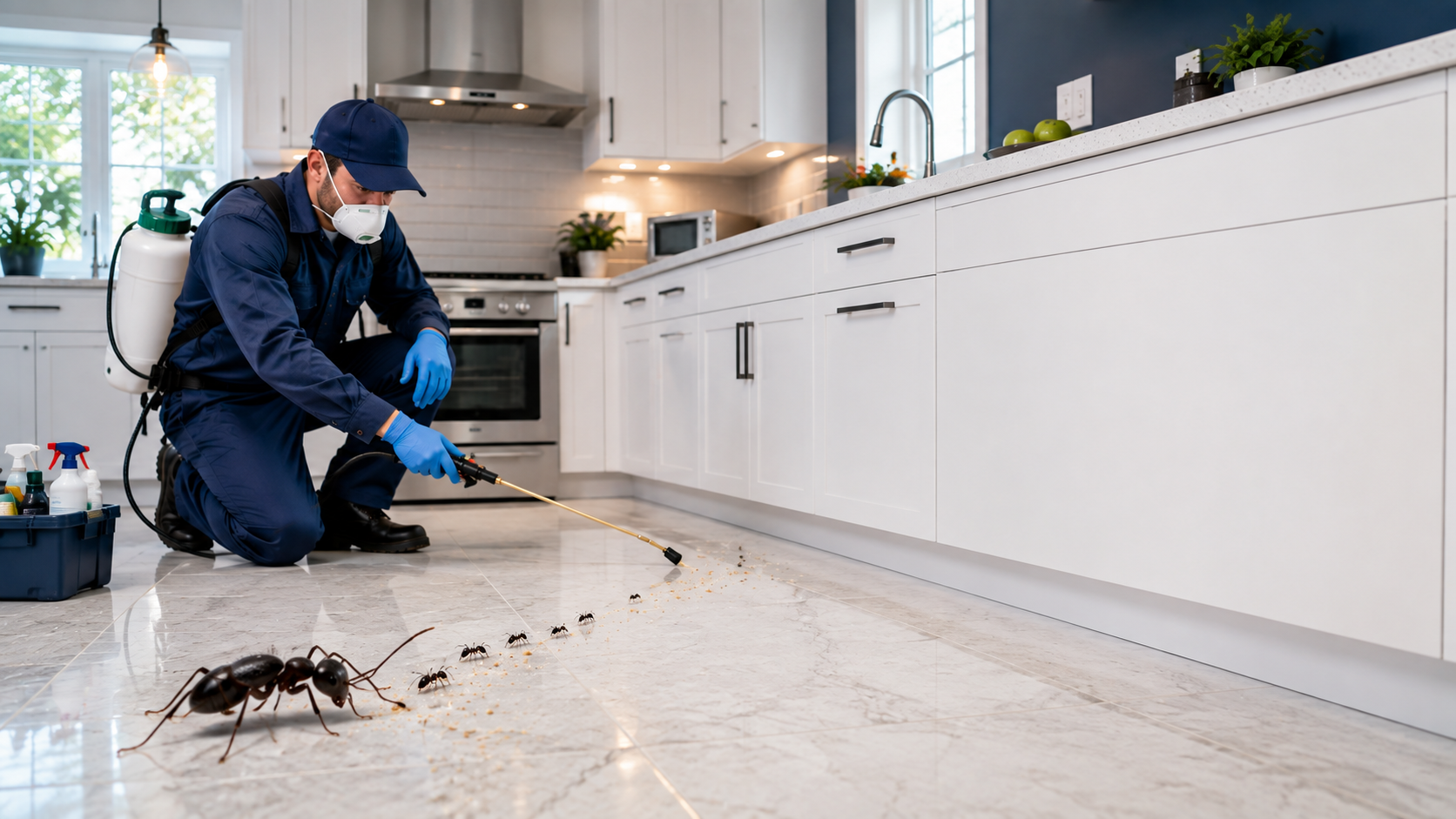
Ants may be small, but they can quickly become one of the most frustrating household pests. Once they discover a food or water source inside your home, they leave scent trails that attract hundreds or even thousands of other ants. Many homeowners eventually turn to Ant Control services in Hanover Park when DIY methods fail to eliminate recurring infestations. Professional pest control, combined with proper prevention strategies, is the most effective way to protect your home from ants throughout the year.
Whether you're dealing with carpenter ants, pavement ants, odorous house ants, or another common species, understanding why ants invade your property is the first step toward keeping them out permanently.
Why Ants Enter Homes
Ants are constantly searching for three basic necessities:
-
Food
-
Water
-
Shelter
Your home provides all three, especially during extreme weather conditions. Kitchens, bathrooms, basements, laundry rooms, and crawl spaces are among their favorite hiding spots.
Common reasons ants invade homes include:
-
Food crumbs on floors
-
Sticky countertops
-
Open food containers
-
Pet food left overnight
-
Moisture around sinks
-
Leaking pipes
-
Standing water
-
Easy access through cracks and gaps
Once a colony finds these resources, worker ants establish trails that encourage more ants to enter.
Identify the Type of Ant
Not all ants behave the same way. Proper identification helps determine the best treatment.
Common household ants include:
Carpenter Ants
These ants tunnel through damp wood and may cause structural damage over time.
Odorous House Ants
Known for the unpleasant smell they produce when crushed, they frequently invade kitchens.
Pavement Ants
Usually nest under sidewalks, driveways, and foundations before entering homes.
Pharaoh Ants
Small but persistent, these ants spread rapidly and often require professional treatment.
Little Black Ants
Often found near sugary foods and pantry items.
Understanding which species you're dealing with helps determine the most effective ant removal strategy.
Keep Your Kitchen Spotless
The kitchen is the number one attraction for ants.
Simple cleaning habits dramatically reduce infestations.
Wipe Surfaces Daily
Clean countertops, tables, and stovetops after every meal.
Sweep Floors
Food crumbs easily attract foraging ants.
Store Food Properly
Use airtight containers for:
-
Sugar
-
Flour
-
Cereal
-
Snacks
-
Pet food
Empty Trash Frequently
Overflowing garbage attracts insects quickly.
Clean Appliances
Food often accumulates behind:
-
Refrigerators
-
Ovens
-
Dishwashers
Regular deep cleaning removes hidden food sources.
Eliminate Moisture Problems
Water is just as important as food.
Inspect your home for:
-
Leaking faucets
-
Broken pipes
-
Damp basements
-
Condensation
-
Clogged gutters
Repairing moisture issues makes your home less attractive to ants and other pests.
Seal Entry Points
Ants only need tiny openings to enter.
Inspect your home's exterior and seal:
-
Foundation cracks
-
Window gaps
-
Door frames
-
Utility pipe openings
-
Cable entry points
-
Vents
Use caulk or weather stripping to eliminate easy access.
Maintain Your Yard
Outdoor maintenance plays a major role in preventing indoor infestations.
Trim Vegetation
Tree branches touching the roof create ant highways.
Keep shrubs and bushes away from exterior walls.
Remove Wood Debris
Old logs, tree stumps, and mulch attract carpenter ants.
Keep Firewood Elevated
Store firewood away from the house and off the ground.
Control Standing Water
Poor drainage creates favorable conditions for many pests.
Store Pet Food Correctly
Pet food is one of the biggest attractants for ants.
Helpful tips include:
-
Feed pets on a schedule
-
Remove uneaten food
-
Wash bowls daily
-
Store pet food in sealed containers
Don't Ignore the First Few Ants
Many homeowners dismiss a handful of ants.
Unfortunately, those few scouts are searching for food.
Once they report back to the colony, hundreds more may appear within hours.
Taking immediate action prevents larger infestations.
Use Safe DIY Prevention Methods
Homeowners often use simple preventive measures before calling professionals.
These include:
-
Vinegar cleaning solution
-
Lemon juice around entry points
-
Cinnamon barriers
-
Diatomaceous earth
-
Borax bait stations (used carefully and kept away from children and pets)
While these methods may reduce activity temporarily, they rarely eliminate the entire colony.
Avoid Common Mistakes
Many people unknowingly make infestations worse.
Avoid these mistakes:
Spraying Randomly
Killing visible ants doesn't destroy the colony.
Leaving Food Overnight
Even tiny crumbs attract workers.
Ignoring Outdoor Colonies
Indoor ants often originate from nests outside.
Delaying Professional Help
Waiting allows colonies to grow larger and harder to eliminate.
Schedule Regular Pest Inspections
Routine pest inspections help identify problems before they become severe.
Professional inspections can detect:
-
Hidden nests
-
Moisture issues
-
Structural vulnerabilities
-
Early infestations
Preventive inspections save money compared to treating major infestations later.
The Benefits of Professional Ant Control
DIY products may kill individual ants but usually fail to eliminate queens and hidden colonies.
Professional exterminators use proven treatment methods that target the entire infestation.
Benefits include:
-
Complete colony elimination
-
Customized treatment plans
-
Safe application methods
-
Long-lasting protection
-
Prevention recommendations
-
Reduced pesticide exposure
-
Eco-friendly pest control options
Many pest control companies also provide ongoing seasonal pest management to prevent future invasions.
Seasonal Ant Prevention Tips
Different seasons require different strategies.
Spring
-
Inspect for new trails
-
Seal cracks
-
Clean gutters
Summer
-
Store food carefully
-
Remove standing water
-
Trim landscaping
Fall
-
Inspect windows and doors
-
Store firewood properly
-
Repair foundation cracks
Winter
Although ant activity slows, indoor colonies may remain active in heated homes.
Continue cleaning and monitoring throughout the year.
Protect Your Home During Renovations
Construction and remodeling can expose hidden ant colonies.
When renovating:
-
Inspect wood for damage
-
Replace water-damaged materials
-
Seal newly installed windows
-
Check insulation
-
Repair leaks immediately
These steps help prevent future infestations.
Signs You Need Professional Help
Contact a pest control expert if you notice:
-
Continuous ant trails
-
Ants returning after treatment
-
Carpenter ants inside walls
-
Winged ants indoors
-
Multiple colonies
-
Ants appearing in several rooms
-
Nesting around your foundation
Recurring infestations often indicate a hidden colony that requires specialized treatment.
Long-Term Prevention Is the Best Solution
Keeping ants out isn't about one-time treatments—it's about creating an environment they don't want to enter.
Successful prevention includes:
-
Consistent cleaning
-
Moisture control
-
Proper food storage
-
Sealing entry points
-
Yard maintenance
-
Routine inspections
-
Professional treatments when needed
Combining these strategies provides lasting protection for your home.
Conclusion
Ant infestations rarely disappear on their own. While basic cleaning and preventive measures help reduce activity, established colonies often require expert attention. Investing in Ant Control services in Hanover Park ensures that hidden nests are located, colonies are eliminated at their source, and your home receives long-term protection against future invasions. By maintaining good sanitation, sealing entry points, controlling moisture, and partnering with experienced pest control professionals, you can enjoy a cleaner, healthier, and ant-free home throughout every season.

 Arabic
 French
 Spanish
 Portuguese
 Deutsch
 Turkish
 Dutch
Dutch
 Italiano
 Russian
 Romaian
 Portuguese (Brazil)
 Greek
Greek