


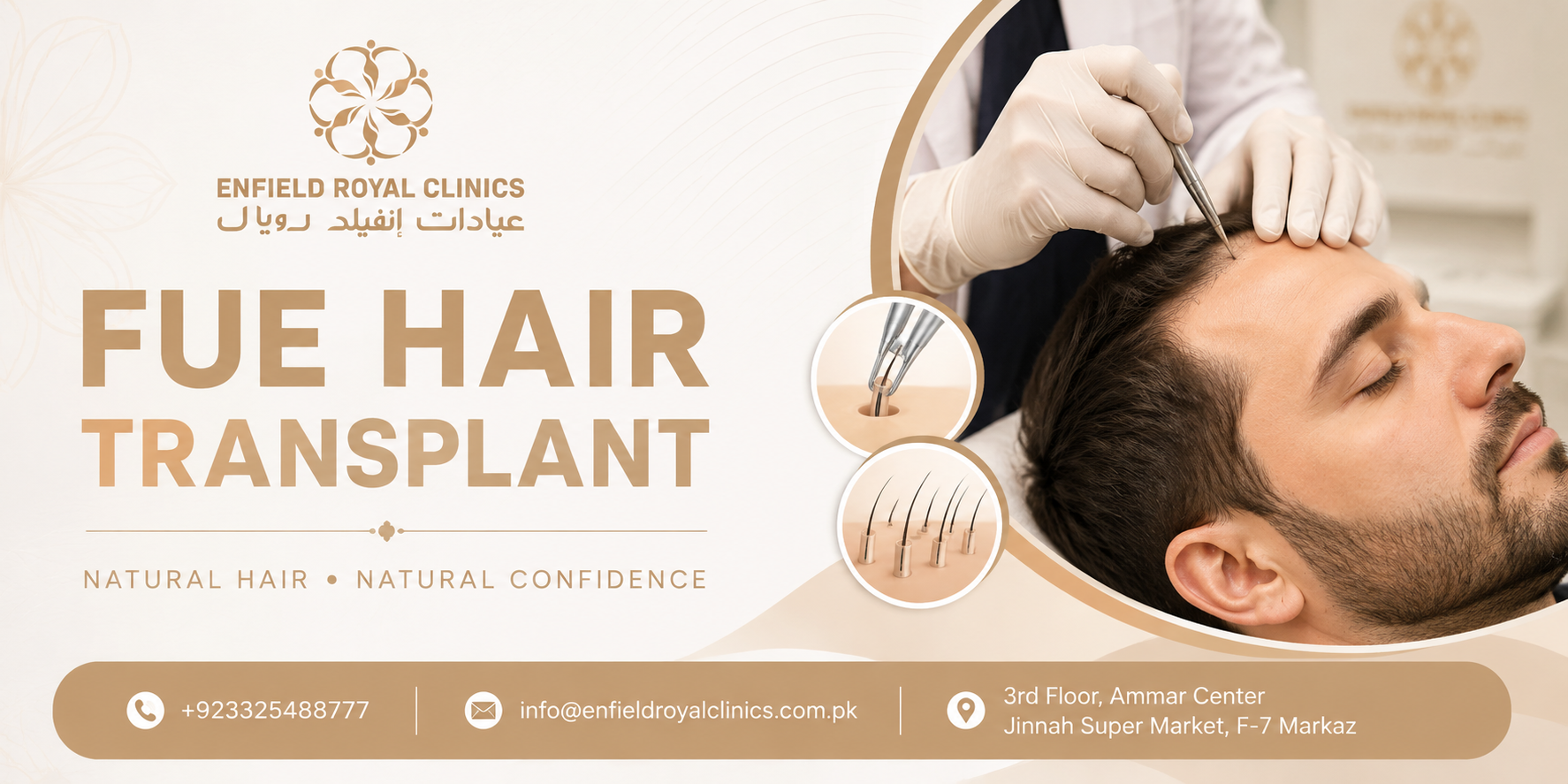
A successful hair restoration procedure begins long before the actual treatment. Careful planning is one of the most important steps in achieving natural-looking and long-lasting results. Every patient has a unique hair loss pattern, scalp condition, and cosmetic goal, which is why doctors create a personalized treatment plan rather than using the same approach for everyone. A well-planned FUE Hair Transplant ensures that healthy hair follicles are used efficiently while creating a balanced and realistic appearance.
From evaluating the donor area to designing the hairline, every stage of planning plays a significant role in the overall success of the procedure. Understanding how doctors prepare for a hair transplant can help patients feel more confident before treatment.
What Is FUE Hair Transplant?
FUE Hair Transplant (Follicular Unit Extraction) is a modern hair restoration procedure that involves extracting individual hair follicles from a healthy donor area, usually the back or sides of the scalp, and implanting them into areas experiencing thinning or baldness.
Because each follicle is removed individually, the procedure is minimally invasive and leaves only tiny extraction marks that are usually difficult to notice after healing. Careful placement of each follicle helps achieve natural hair growth and improved density.
Why Is Planning So Important?
Every patient experiences hair loss differently. Some have a receding hairline, while others experience thinning at the crown or across larger areas of the scalp.
Proper planning helps doctors:
- Understand the patient's hair loss pattern
- Preserve healthy donor hair
- Create a natural hairline
- Determine the required number of grafts
- Plan for future hair loss
Without careful planning, even technically successful procedures may not produce the most natural or long-lasting results.
Evaluating the Hair Loss Pattern
The first step is understanding how the patient's hair loss has developed.
During the consultation, the doctor examines:
- Areas of thinning
- Bald patches
- Hairline changes
- Overall scalp condition
- Family history of hair loss
This evaluation helps predict how hair loss may progress in the future and guides long-term treatment planning.
Examining the Donor Area
The donor area is one of the most important parts of the planning process because it provides the hair follicles used during transplantation.
Doctors carefully assess:
- Hair density
- Hair thickness
- Hair quality
- Donor scalp health
- Available follicle supply
Healthy donor hair increases the chances of achieving fuller and more natural-looking results.
Designing a Natural Hairline
Hairline design is one of the most artistic aspects of a FUE Hair Transplant. Rather than creating a perfectly straight line, doctors design a hairline that complements the patient's facial features and age.
Several factors are considered:
- Face shape
- Forehead size
- Existing hair pattern
- Future hair loss
- Patient preferences
A carefully designed hairline helps ensure the final results appear natural for many years.
Estimating the Number of Grafts
Every patient requires a different number of grafts depending on the size of the treatment area and the desired level of hair density.
Doctors estimate the required grafts based on:
- Extent of hair loss
- Size of thinning areas
- Donor hair availability
- Hair thickness
- Long-term restoration goals
Using the appropriate number of grafts helps balance cosmetic improvement with preservation of the donor area.
Assessing Overall Health
Before recommending treatment, doctors also review the patient's general health.
This assessment may include:
- Medical history
- Current medications
- Previous scalp procedures
- Allergies
- Lifestyle habits
Certain medical conditions may influence healing or affect the timing of the procedure.
Discussing Patient Expectations
A successful hair transplant also depends on clear communication between the patient and the specialist.
During the consultation, doctors explain:
- Expected results
- Recovery process
- Hair growth timeline
- Possible limitations
- Long-term treatment options
Setting realistic expectations helps patients understand what the procedure can achieve and reduces the risk of disappointment.
Planning for Future Hair Loss
Hair loss often continues even after a transplant. For this reason, doctors plan beyond the immediate procedure.
Long-term planning may involve:
- Conserving donor hair
- Avoiding overly low hairlines
- Maintaining balanced density
- Preparing for possible future treatments
This forward-thinking approach helps preserve natural-looking results as the patient ages.
Preparing for the Procedure
Once the treatment plan is finalized, patients receive instructions to prepare for surgery.
Preparation may include:
- Following medication guidance
- Washing the hair before treatment
- Avoiding smoking if advised
- Staying hydrated
- Wearing comfortable clothing on the day of the procedure
Careful preparation supports a smoother procedure and recovery.
Why Experience Matters
Planning a hair transplant requires both medical knowledge and artistic judgment. An experienced specialist understands how to place follicles in a way that matches natural hair growth while preserving donor hair for the future.
Choosing an experienced clinic helps ensure:
- Personalized treatment planning
- Natural hairline design
- Careful graft placement
- Long-term hair restoration strategy
These factors significantly influence the quality of the final results.
Conclusion
A successful FUE Hair Transplant begins with careful planning rather than the procedure itself. Doctors evaluate the hair loss pattern, donor hair quality, scalp condition, and overall health before creating a personalized treatment plan. They also design a natural hairline, estimate the required number of grafts, and consider future hair loss to ensure lasting, balanced results.
By choosing an experienced hair restoration specialist and following the recommended treatment plan, patients can achieve natural-looking hair growth that enhances both appearance and confidence for years to come.

 English
 Arabic
 French
 Spanish
 Portuguese
 Deutsch
 Turkish
 Dutch
Dutch
 Russian
 Romaian
 Portuguese (Brazil)
 Greek
Greek