


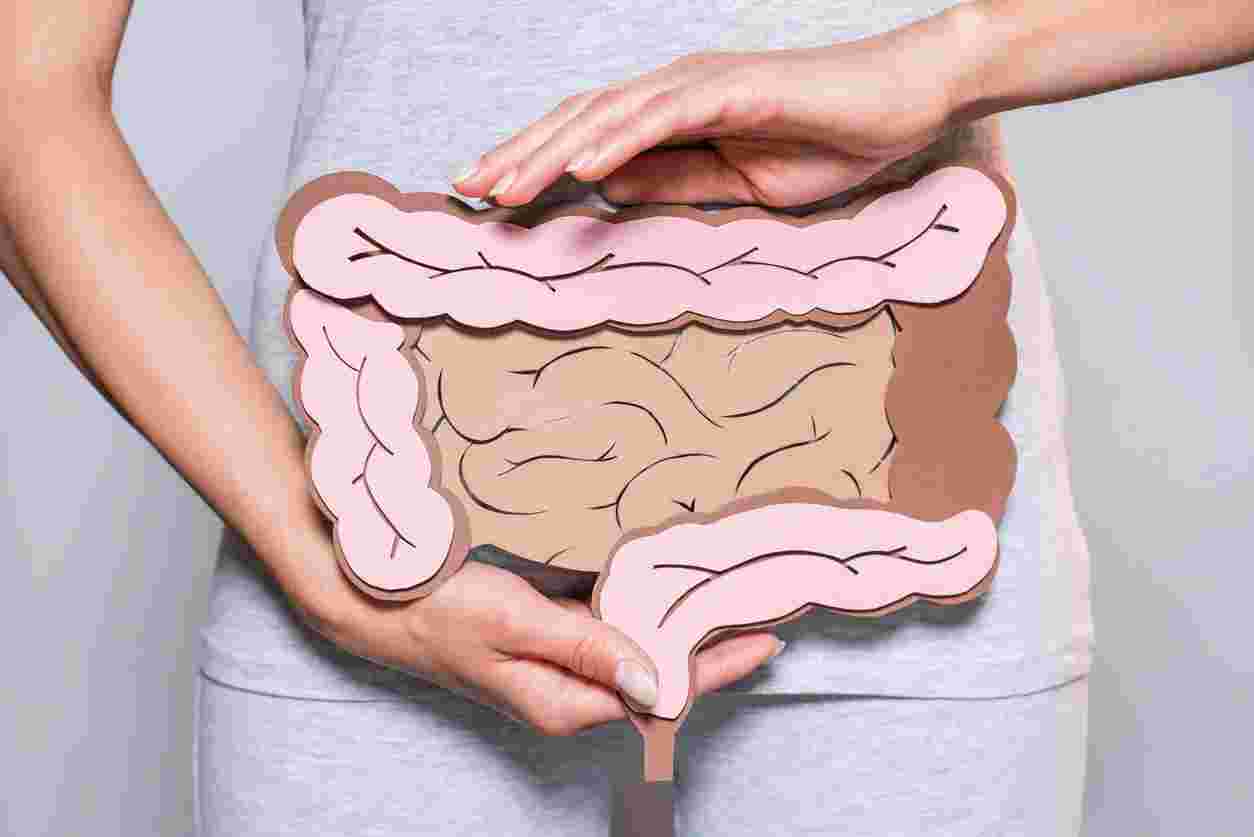
Lower gastrointestinal (GI) disorders are medical conditions that affect the lower part of the digestive system, including the small intestine, large intestine (colon), rectum, and anus. These disorders can interfere with normal digestion, nutrient absorption, and bowel movements, leading to discomfort and, in some cases, serious health complications. While some lower GI disorders are temporary and easily managed, others require long-term medical care. Understanding their causes, symptoms, diagnosis, and treatment can help individuals seek timely medical attention and maintain better digestive health.
Lower GI disorders encompass a wide range of conditions. Some of the most common include irritable bowel syndrome (IBS), inflammatory bowel disease (IBD), diverticular disease, constipation, diarrhea, hemorrhoids, colorectal polyps, and colorectal cancer. Each condition affects the digestive tract differently, but many share similar symptoms that can make diagnosis challenging without proper medical evaluation.
The causes of lower GI disorders vary depending on the specific condition. Dietary habits, bacterial or viral infections, food intolerances, chronic inflammation, genetics, aging, stress, and certain medications can all contribute to digestive problems. Lifestyle factors such as low fiber intake, dehydration, lack of physical activity, smoking, and excessive alcohol consumption may also increase the risk of developing certain lower GI conditions.
Symptoms of lower GI disorders differ from person to person and depend on the underlying cause. Common symptoms include abdominal pain or cramping, bloating, excessive gas, constipation, diarrhea, changes in bowel habits, rectal bleeding, mucus in the stool, and a feeling of incomplete bowel evacuation. Some individuals may also experience unexplained weight loss, fatigue, anemia, or persistent discomfort. Because these symptoms can overlap with several conditions, a medical evaluation is important, especially if symptoms are severe, persistent, or accompanied by blood in the stool.
One of the most common functional lower GI disorders is irritable bowel syndrome (IBS). IBS affects the way the intestines function without causing visible structural damage. People with IBS often experience recurring abdominal pain, bloating, constipation, diarrhea, or alternating episodes of both. Although IBS is not life-threatening, it can significantly impact daily life and often requires dietary changes, stress management, and medication to control symptoms.
Inflammatory bowel disease (IBD), which includes Crohn's disease and ulcerative colitis, is a chronic condition characterized by ongoing inflammation of the digestive tract. Unlike IBS, IBD can cause damage to the intestinal lining and may lead to complications such as strictures, fistulas, or nutritional deficiencies. Treatment typically involves medications to reduce inflammation, lifestyle modifications, and, in some cases, surgery.
Diverticular disease is another common lower GI disorder, particularly among older adults. It occurs when small pouches called diverticula develop in the wall of the colon. While many people with diverticula have no symptoms, inflammation or infection can result in diverticulitis, causing abdominal pain, fever, nausea, and changes in bowel habits. Mild cases may respond to antibiotics and dietary adjustments, while severe cases may require hospitalization or surgery.
Healthcare providers use several methods to diagnose lower GI disorders. A detailed medical history and physical examination are usually followed by laboratory tests, stool analysis, imaging studies, or endoscopic procedures. Colonoscopy is one of the most valuable diagnostic tools because it allows doctors to examine the colon directly, identify abnormalities, collect tissue samples for biopsy, and detect colorectal cancer or polyps at an early stage.
Treatment depends on the specific diagnosis and severity of the condition. Mild digestive problems may improve with dietary modifications, increased fiber intake, proper hydration, regular exercise, and stress reduction. Medications such as laxatives, anti-diarrheal drugs, antispasmodics, antibiotics, anti-inflammatory medications, or biologic therapies may be prescribed when necessary. Surgical intervention may be recommended for complications, severe inflammatory disease, bowel obstruction, or certain cancers.
Maintaining a healthy lifestyle plays an important role in preventing many lower GI disorders. Eating a balanced diet rich in fruits, vegetables, whole grains, and fiber supports healthy digestion and regular bowel movements. Drinking plenty of water, staying physically active, avoiding tobacco, limiting alcohol consumption, and managing stress can also promote gastrointestinal health. Adults should follow recommended colorectal cancer screening guidelines, particularly if they are over the recommended screening age or have a family history of colorectal cancer.
In conclusion, lower GI disorders are common conditions that affect millions of people worldwide. Although symptoms may range from mild discomfort to serious illness, early recognition and appropriate medical care can significantly improve outcomes. Anyone experiencing persistent abdominal pain, ongoing changes in bowel habits, unexplained weight loss, or rectal bleeding should seek evaluation by a qualified healthcare professional. With accurate diagnosis, appropriate treatment, and healthy lifestyle choices, many lower GI disorders can be effectively managed, allowing individuals to maintain better digestive health and overall well-being.

 English
 Arabic
 French
 Spanish
 Portuguese
 Turkish
 Dutch
Dutch
 Italiano
 Russian
 Romaian
 Portuguese (Brazil)
 Greek
Greek