


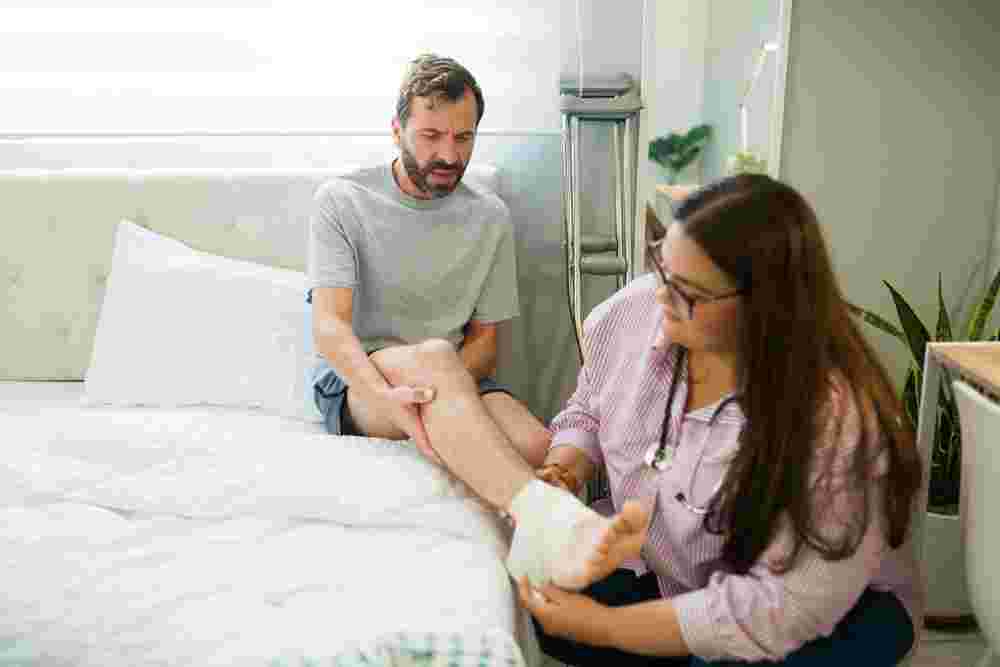
Recovering after an operation requires more than simply resting at home. Proper medication management, wound care, nutrition, mobility, hygiene, and monitoring can all influence the recovery process. Post-Surgical Care at Home in Dubai provides patients with professional support in a familiar environment, helping them follow their postoperative care plans more consistently. Access to appropriate healthcare support, including a Doctor at Home when medically indicated, can also make it easier to address concerns without unnecessary delays. With personalized assistance, patients can focus on healing while caregivers help manage appropriate daily recovery needs.
Personalized Post-Surgical Support:
Every patient experiences recovery differently, which makes individualized care an important part of postoperative healing. The type of surgery, age, existing health conditions, mobility, medications, and overall recovery progress can affect the level of assistance required. Professional caregivers can follow the instructions established by the patient’s healthcare team and provide support based on those requirements. Rather than relying on a fixed routine, personalized home care can adapt as the patient becomes stronger or develops new needs. This approach can help create a more organized recovery environment while allowing patients to receive appropriate assistance without giving up their independence unnecessarily.
Professional support may include:
- Assistance with daily activities
- Medication reminders according to prescribed instructions
- Support with mobility and positioning
- Assistance with personal hygiene
- Meal preparation and hydration support
- Observation and communication of relevant changes
Professional Wound Care Supports Healing:
Proper wound care is essential following many surgical procedures because the incision needs suitable protection while tissues repair themselves. Professional caregivers can assist with appropriate wound-care routines when these tasks are included in their training and the patient’s care plan. They can help maintain hygiene, follow dressing instructions, and observe the surgical area for changes. Patients and families should follow the specific wound-care instructions provided by the surgeon or healthcare professional. Changes such as increasing redness, swelling, unusual drainage, significant bleeding, worsening pain, or fever should be reported to the appropriate medical professional promptly. Consistent wound care can support a cleaner recovery routine and help concerns receive attention when necessary.
Better Medication Management:
Postoperative patients may be prescribed several medications with different schedules and instructions. Managing these prescriptions can become challenging when patients are tired, uncomfortable, or recovering from anesthesia. Professional home care can help patients stay organized by providing reminders based on the prescribed treatment plan. Caregivers can also help patients maintain a record of medications and communicate concerns about unexpected reactions to the healthcare team. Patients should never change medication doses or discontinue prescribed treatments without medical advice. Consistent adherence to an appropriate medication plan can help patients manage postoperative symptoms and follow their treatment recommendations more effectively.
Safe Mobility Encourages Functional Recovery:
Movement is often an important component of recovery, but patients may initially experience weakness, discomfort, balance problems, or restricted mobility. Professional caregivers can provide appropriate assistance with basic activities such as getting out of bed, walking short distances, repositioning, or using recommended mobility aids. The level of movement should always follow medical instructions because certain procedures require specific restrictions. If physiotherapy has been prescribed, patients should follow the exercises and progression recommended by their qualified therapist. Supporting safe mobility can help patients gradually regain confidence and functional ability while avoiding unnecessary strain on healing tissues.
Nutrition Supports the Recovery Process:
The body requires appropriate nutrients and fluids to support tissue repair, energy production, and general recovery. However, surgery can temporarily affect appetite, digestion, and the ability to prepare meals. Professional home care can help patients maintain suitable meal and hydration routines according to their individual recommendations. Caregivers may assist with meal preparation and encourage appropriate fluid intake when permitted. Patients may benefit from balanced meals containing suitable sources of protein, carbohydrates, healthy fats, vitamins, and minerals, but dietary needs vary. Individuals with specific medical or dietary requirements should follow guidance from their doctor or qualified dietitian rather than adopting a generalized postoperative diet.
Consistent Monitoring Provides Added Support:
Regular observation is another advantage of professional post-surgical care at home. Caregivers may notice changes in mobility, appetite, energy, sleep, comfort, wound appearance, or general behavior during everyday interactions. Although caregivers do not diagnose medical conditions, they can communicate relevant observations to the appropriate healthcare professional. This can help families avoid overlooking changes that may require assessment. Patients should seek medical attention when symptoms are severe, unexpected, or worsening. Professional home care is intended to complement medical treatment and should never be used to delay urgent evaluation when serious symptoms occur.
A Safer and More Comfortable Home Environment:
Recovering in a familiar environment can be more comfortable for many patients, particularly when they have limited mobility or fatigue. Professional caregivers can help patients maintain a practical daily routine while reducing unnecessary physical effort. Families can also prepare the home by removing clutter, keeping frequently used items within reach, and creating a comfortable resting area. Depending on the surgery, additional safety measures may be recommended by the healthcare team. A well-organized environment can make basic activities easier and allow patients to concentrate on recovery instead of navigating avoidable household obstacles.
Support for Pain and Comfort Management:
Pain and discomfort are common after many surgical procedures, although their severity and duration vary. Professional home care can help patients follow prescribed pain-management instructions and maintain comfortable routines. Caregivers may assist with positioning, rest, mobility, and other appropriate activities recommended by the healthcare team. Patients should communicate changes in pain rather than assuming that severe or worsening discomfort is a normal part of healing. Sudden or persistent changes may require medical assessment. Proper communication about pain can help healthcare professionals determine whether the patient’s recovery is progressing as expected.
Emotional Well-Being During Recovery:
Healing is not exclusively physical. Patients may experience frustration, anxiety, loneliness, or temporary loss of independence after surgery. Professional caregivers can provide companionship and practical encouragement while helping patients maintain appropriate daily routines. Family members can also contribute by offering emotional reassurance without pressuring the patient to recover faster than medically recommended. Maintaining communication and encouraging suitable activities can help patients feel more engaged during recovery. If emotional difficulties become persistent or interfere with eating, sleeping, medication adherence, or daily functioning, patients should discuss these concerns with a qualified healthcare professional.
Reducing the Burden on Family Caregivers:
Postoperative care can place considerable responsibilities on family members. Relatives may need to assist with meals, transportation, medications, personal care, mobility, and household tasks while managing their own commitments. Professional home care can provide appropriate assistance with many daily needs, helping distribute caregiving responsibilities more effectively. This can allow family members to focus on emotional support and companionship rather than handling every practical aspect of recovery. A collaborative approach involving patients, relatives, caregivers, and healthcare professionals can create a more sustainable recovery environment.
Supporting Better Recovery Habits:
Professional home care can help patients maintain routines that support their overall recovery plan. Consistent schedules for rest, meals, medication, movement, hygiene, and follow-up appointments can make postoperative life more organized. Caregivers can encourage patients to follow their healthcare provider’s instructions while assisting with appropriate tasks. Over time, these routines may help patients transition from requiring substantial assistance to managing more activities independently. The goal is not to create unnecessary dependence but to provide suitable support while the patient’s strength and confidence return.
Coordinating Follow-Up Care:
Post-surgical recovery often includes follow-up appointments, wound assessments, medication reviews, or rehabilitation plans. Professional home care can help patients stay organized around these requirements. Caregivers may assist with appointment reminders, record relevant observations, and encourage patients to communicate questions to their healthcare team. Keeping track of changes in symptoms, mobility, medication use, and general progress can provide useful information during follow-up consultations. Continuing communication with the treating medical team ensures that home-based care remains aligned with the patient’s current recovery needs.
Encouraging a Gradual Return to Independence:
One of the most important outcomes of professional postoperative support is helping patients gradually return to everyday activities. As healing progresses, patients may be able to perform more personal-care tasks, walk farther, prepare simple meals, or resume other activities approved by their healthcare provider. Caregivers can reduce assistance as appropriate while continuing to provide support when needed. Recovery should not be rushed because tissues may continue healing even when the patient begins to feel better. A gradual approach allows patients to rebuild physical abilities and confidence while respecting medical restrictions.
When Professional Home Care Is Especially Valuable:
Professional post-surgical care can be particularly helpful for patients who have limited mobility, require assistance with daily activities, live alone, undergo major procedures, or need additional support during the early recovery period. It can also benefit families who cannot provide continuous care themselves. The appropriate level of support depends on the patient’s medical condition, surgery, recovery plan, and recommendations from the healthcare team. By providing structured assistance in the home, professional care can help bridge the gap between hospital discharge and a more independent daily routine.
Final Thoughts:
Post-Surgical Care at Home in Dubai can contribute to a more organized and supportive recovery experience by combining personalized assistance with appropriate medical guidance. Professional support with wound care, medication routines, mobility, nutrition, comfort, monitoring, and daily activities can help patients focus on their healing while reducing pressure on family caregivers. Home care does not replace a surgeon or other healthcare professionals, but it can complement the broader treatment plan. With consistent support, careful monitoring, and adherence to medical instructions, patients can gradually work toward improved healing, greater confidence, and a safe return to everyday life.

 English
 Arabic
 French
 Spanish
 Portuguese
 Deutsch
 Turkish
 Dutch
Dutch
 Russian
 Romaian
 Portuguese (Brazil)
 Greek
Greek