


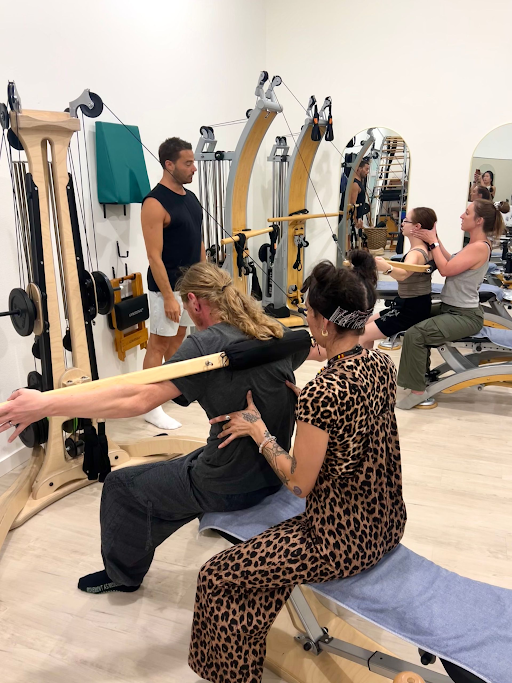
Modern lifestyles often involve prolonged sitting, repetitive movements, and limited physical activity, all of which can contribute to muscle stiffness, reduced mobility, and chronic discomfort. While traditional stretching and strength training remain important, growing attention is being given to fascia-focused movement techniques that address the body's connective tissue. As a result, melt fascia release group classes have become an increasingly popular option for individuals looking to improve flexibility, reduce tension, and support overall movement quality.
Unlike conventional fitness sessions, melt fascia release group classes focus on hydrating and restoring the body's connective tissue using specialized soft rollers and therapy balls. The MELT Method® is a gentle self-treatment technique designed to improve body awareness, decrease accumulated stress, and support efficient movement without high-impact exercise. Many wellness studios now include these classes as part of comprehensive mobility and recovery programs.
What Are Melt Fascia Release Group Classes?
Melt fascia release group classes are guided sessions that use specially designed rollers and balls to stimulate connective tissue, commonly known as fascia. Fascia surrounds muscles, joints, nerves, and organs, helping the body move smoothly while providing structural support.
During a typical class, participants perform gentle movements and self-treatment techniques intended to:
-
Improve mobility
-
Reduce stiffness
-
Promote relaxation
-
Enhance body awareness
-
Support natural movement patterns
Unlike high-intensity workouts, these classes emphasize slow, controlled movements that are suitable for many fitness levels.
Understanding the Role of Fascia
Fascia is an interconnected network of connective tissue that extends throughout the body. When healthy, it remains hydrated and flexible, allowing muscles and joints to move efficiently. However, repetitive movements, inactivity, stress, and aging may contribute to fascial tightness, potentially limiting mobility and increasing discomfort.
Melt fascia release group classes are designed to encourage hydration of this connective tissue while promoting improved movement efficiency through gentle self-care techniques.
Benefits of Melt Fascia Release Group Classes
There are several reasons why melt fascia release group classes continue gaining popularity among individuals seeking low-impact wellness practices.
Improved Mobility
Gentle fascial techniques help increase range of motion while reducing feelings of stiffness throughout the body.
Reduced Everyday Tension
Participants often use self-treatment methods to release accumulated stress from daily activities and prolonged sitting.
Better Posture
Improved body awareness may encourage healthier movement patterns and postural alignment.
Enhanced Recovery
Many people incorporate MELT sessions into their weekly routine to complement strength training, yoga, or other physical activities.
Suitable for Different Fitness Levels
Because movements are gentle and adaptable, classes are appropriate for beginners as well as active individuals seeking recovery-focused exercise.
What to Expect During a Class
A typical melt fascia release group classes session follows a structured sequence that gradually improves mobility and relaxation.
Participants may experience:
-
Guided breathing exercises
-
Gentle self-massage techniques
-
Rolling exercises using specialized equipment
-
Balance and body awareness drills
-
Controlled mobility movements
-
Relaxation and recovery exercises
Studios generally provide the necessary rollers and balls, allowing participants to focus on learning proper techniques.
Who Can Benefit?
Melt fascia release group classes may be beneficial for individuals who:
-
Spend long hours sitting
-
Experience muscle tightness
-
Want low-impact exercise
-
Participate in regular fitness training
-
Seek improved flexibility
-
Wish to support healthy movement as they age
As with any exercise program, individuals with existing medical conditions should consult an appropriate healthcare professional before beginning a new movement routine.
Tips for Getting the Most from Your Class
To maximize the benefits of melt fascia release group classes, consider the following recommendations:
-
Wear comfortable clothing that allows unrestricted movement.
-
Stay hydrated before and after class.
-
Focus on controlled breathing throughout the session.
-
Practice movements consistently between classes if recommended.
-
Listen to your body and avoid forcing uncomfortable positions.
Regular participation often supports gradual improvements in movement quality and overall body awareness.
Why Group Classes Offer Additional Advantages
Group-based learning provides several unique benefits beyond individual practice.
These include:
-
Professional instruction
-
Real-time movement corrections
-
Structured progression
-
Motivating group environment
-
Consistent practice schedule
-
Supportive wellness community
Some studios also maintain smaller class sizes to allow instructors to provide individualized guidance while creating a welcoming atmosphere for participants of all experience levels.
Growing Interest in Fascia-Based Movement
Interest in fascia-focused wellness continues expanding as more people look for movement practices that prioritize recovery, mobility, and long-term physical health.
Current trends include:
-
Mobility-focused fitness
-
Recovery-based exercise programs
-
Low-impact movement practices
-
Mind-body wellness approaches
-
Functional movement training
-
Connective tissue education
These approaches are increasingly being incorporated alongside yoga, Pilates, and strength training to promote balanced physical well-being.
Conclusion
Melt fascia release group classes offer a gentle, structured approach to improving mobility, reducing everyday tension, and enhancing body awareness through connective tissue-focused techniques. Individuals interested in exploring guided fascia-focused movement programs can learn more through The Movement Temple, where group classes are designed to support mobility, recovery, and mindful movement practices. Their low-impact nature, guided instruction, and emphasis on long-term movement quality make them an excellent addition to many wellness routines for individuals of varying fitness levels.

 Arabic
 French
 Spanish
 Portuguese
 Deutsch
 Turkish
 Dutch
Dutch
 Italiano
 Russian
 Romaian
 Portuguese (Brazil)
 Greek
Greek