


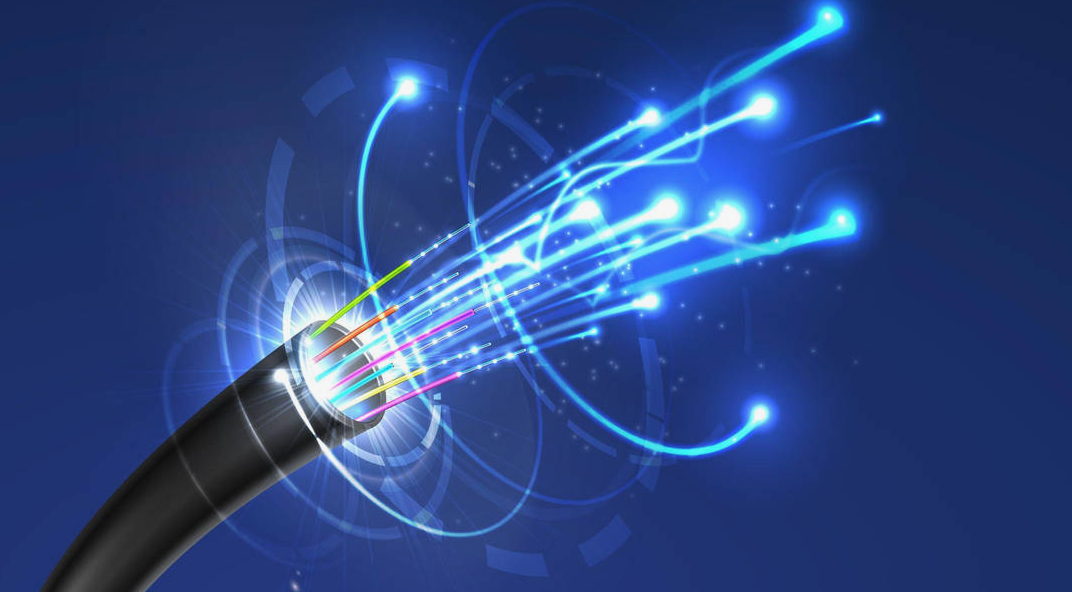
Data centers are handling more information than ever as cloud computing, artificial intelligence, virtualization, high-performance computing, and digital services continue to expand. With increasing bandwidth requirements and growing numbers of connected systems, traditional connectivity approaches may struggle to provide the speed, capacity, and scalability modern facilities require. high-speed fiber optics solutions offer data center professionals a reliable way to support demanding network applications while maintaining efficient and structured physical infrastructure.
Fiber optic technology transmits data using light rather than electrical signals, making it well suited to high-capacity communication environments. Modern fiber solutions can support connections between servers, switches, storage platforms, distribution systems, and other critical equipment. For data center operators, investing in appropriate optical infrastructure can help improve network performance, optimize physical space, and prepare facilities for continued technology growth.
Understanding High-Speed Fiber Optics Solutions
high-speed fiber optics solutions include fiber cables, connectors, trunk assemblies, patching systems, transceivers, and other components designed to support high-capacity optical communication. These products can be configured for different transmission distances, network architectures, and equipment requirements. Single-mode and multimode fiber are used for different applications, while multi-fiber connectivity can help data centers manage large numbers of optical channels within compact spaces. The right combination of components depends on factors such as bandwidth requirements, distance, equipment compatibility, and future expansion plans. A properly designed optical infrastructure provides a physical foundation that allows network equipment to communicate efficiently while helping operators maintain organized and manageable connectivity.
Business Applications in Data Centers
High-speed optical connectivity is used throughout modern data centers to connect servers, switches, storage systems, patching areas, and distribution equipment. It can also support backbone connections between different sections of a facility or between geographically separated locations when appropriate optical infrastructure is deployed. Cloud service providers and enterprise data centers rely heavily on high-capacity connections because applications increasingly require rapid access to large volumes of information. Artificial intelligence and high-performance computing environments can create particularly demanding connectivity requirements because large datasets must move quickly between processing and storage resources. By deploying suitable optical infrastructure, data center professionals can support these workloads while maintaining a structured network architecture.
Key Benefits for Data Center Professionals
One of the major benefits of high-speed fiber optics solutions is their ability to support substantial data transmission capacity while maintaining efficient physical infrastructure. Fiber cables can provide high bandwidth over appropriate distances and are less susceptible to electromagnetic interference than traditional copper-based connections. High-density optical assemblies can also help organizations accommodate more connections within limited rack and pathway space. In addition, structured fiber systems can simplify cable management and make network maintenance more efficient when they are properly labeled and documented. These advantages can help data center operators improve connectivity, manage growing workloads, and create infrastructure that can be expanded as network requirements change.
Supporting Future Network Growth
Data center technology continues to evolve rapidly, with artificial intelligence, cloud platforms, advanced analytics, virtualization, and high-performance computing driving demand for faster connections. Network infrastructure must therefore be designed with future capacity in mind rather than focusing exclusively on today's equipment. Scalable optical architectures can provide a practical foundation for adding new servers, switches, and higher-performance systems without requiring a complete physical redesign. Data center professionals can improve long-term flexibility by considering fiber type, connection density, cable pathways, connector configurations, and anticipated bandwidth requirements during the initial planning process.
Choosing Professional Fiber Optics Solutions
Selecting the right optical infrastructure requires careful evaluation of the data center's technical and operational requirements. Professionals should consider transmission distance, fiber type, connector compatibility, bandwidth, cable construction, installation conditions, and future expansion. Product quality is equally important because inconsistent connectors, poor cable assemblies, or incorrect configurations can affect network reliability. Working with an experienced fiber optics supplier can help organizations identify compatible products and develop an infrastructure strategy suited to their facility. Professional installation, testing, labeling, and documentation can further improve the reliability and maintainability of the finished network.
Conclusion
As data centers become faster, denser, and more dependent on data-intensive technologies, reliable optical connectivity is increasingly important. high-speed fiber optics solutions can help organizations support demanding workloads, improve network capacity, optimize physical infrastructure, and prepare for future expansion. From cloud computing and enterprise applications to artificial intelligence and high-performance computing, fiber optics provide a strong foundation for modern data communication. By selecting appropriate components and working with experienced infrastructure professionals, data center operators can build scalable connectivity designed to meet both current performance requirements and future network demands.

 English
 Arabic
 Spanish
 Portuguese
 Deutsch
 Turkish
 Dutch
Dutch
 Italiano
 Russian
 Romaian
 Portuguese (Brazil)
 Greek
Greek