


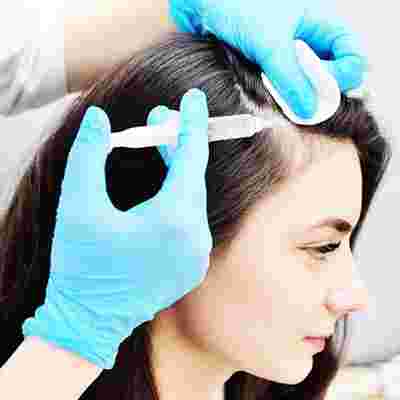
Hair is an important part of a woman's appearance, which is why noticeable hair thinning can be a frustrating experience. While losing some hair every day is completely normal, excessive shedding or a gradual reduction in hair density may indicate an underlying hair-loss concern. Women may notice thinning around the crown, a wider middle part, reduced ponytail volume, or increased visibility of the scalp.
For women searching for Female Hair Loss Treatment, professional assessment can help identify the possible cause and determine which treatment may be appropriate. Enfield Royal Clinic in Islamabad offers different hair restoration and non-surgical treatment options for women experiencing hair thinning and hair loss.
Understanding Female Hair Loss
Female hair loss can occur because of several different factors. Genetics can contribute to gradual thinning, particularly when similar hair-loss patterns are present in the family. Hormonal changes can also influence the hair-growth cycle, including changes associated with pregnancy, menopause, or certain hormonal conditions.
Temporary hair shedding can sometimes follow periods of significant stress or illness. Nutritional deficiencies, rapid weight loss, certain medications, and scalp conditions can also affect normal hair growth.
In addition, repeated use of hair dyes, chemical treatments, high-heat styling, and tight hairstyles may cause hair breakage or weaken the hair shaft. Determining whether the problem is shedding, breakage, or follicle-related thinning is an important part of choosing a treatment.
Signs You Should Pay Attention To
Many women initially overlook hair loss because it may develop gradually. However, several changes can indicate that professional advice may be useful.
These include noticeably more hair falling out while showering or brushing, a widening part, thinner hair around the crown, reduced ponytail thickness, or visible scalp in areas that previously appeared dense.
Early evaluation does not necessarily mean that a surgical procedure is required. Depending on the cause, a woman may be able to consider non-surgical approaches designed to support existing follicles.
Consultation Before Treatment
A proper consultation is an important step in Female Hair Loss Treatment. The specialist can review the patient's history and examine the scalp and existing hair.
The consultation may include questions about when the hair loss started, whether it has progressed quickly or gradually, family history, lifestyle factors, previous treatments, and other relevant concerns.
If the specialist suspects an underlying nutritional, hormonal, or medical issue, additional evaluation may be recommended. Treating a contributing cause can be an important part of improving hair health.
PRP for Female Hair Thinning
PRP, or Platelet-Rich Plasma, is a non-surgical hair treatment that uses the patient's own blood. A small blood sample is processed to concentrate platelets, and the prepared material is then administered into selected areas of the scalp.
The purpose of PRP is to support existing follicles and encourage a healthier environment for hair growth. It is generally considered for situations where hair follicles remain present but are producing thinner or weaker hair.
PRP does not provide instant results. Hair follicles require time to move through their natural growth cycle, so improvements may become noticeable gradually. The number of sessions can vary according to individual needs.
Mesotherapy for Hair Restoration
Mesotherapy is another approach that may be considered for women with certain hair and scalp concerns. It involves delivering selected substances into the scalp.
Whether mesotherapy is appropriate depends on the patient's condition and treatment objectives. It can sometimes be included as part of a broader hair-care strategy.
Women should discuss the procedure with a qualified professional to understand how it may fit into their individual treatment plan.
Low-Level Laser Therapy
Low-Level Laser Therapy, commonly called LLLT, is a non-invasive approach that uses low-level light directed toward the scalp. It may be considered by women who prefer an option that does not involve surgery.
The treatment is intended to support the activity of existing hair follicles. Its suitability and potential results can vary according to the cause and severity of hair loss.
Hair Transplantation for Women
Hair transplantation may be an option for selected women with permanent hair loss and sufficient donor hair. The procedure involves moving healthy hair follicles from a donor area to areas where hair density has been reduced.
FUE involves extracting individual follicles and placing them into recipient areas. FUT uses a strip of donor tissue from which individual follicles are prepared for transplantation.
Female hair transplantation requires careful planning because transplanted follicles need to blend with the patient's existing hair. Hairline design, follicle direction, density, and donor availability can all influence the final appearance.
Choosing Enfield Royal Clinic in Islamabad
Women looking for Female Hair Loss Treatment can consult Enfield Royal Clinic in Islamabad to discuss their concerns and available treatment options. The clinic provides different hair restoration approaches for patients dealing with hair thinning and loss.
The ideal treatment is not necessarily the most advanced or most popular procedure. It should be the option that best matches the patient's condition, goals, existing hair density, and expected outcome.
A professional consultation can help women understand their choices before committing to a particular procedure.
Maintaining Hair After Treatment
Good everyday hair care can complement professional treatment. Women should maintain a balanced diet with sufficient protein and nutrients, avoid unnecessary chemical treatments, and reduce excessive heat styling.
Gentle brushing and avoiding hairstyles that constantly pull on the roots can also help reduce mechanical damage. Scalp hygiene should be maintained according to individual needs.
Women experiencing sudden or unexplained hair loss should seek professional advice rather than relying solely on cosmetic products or home remedies.
Realistic Expectations From Hair Treatment
Hair restoration takes time. Different treatments work through different mechanisms, and results can vary from one person to another. Some patients may require multiple sessions or maintenance treatments.
It is important to understand that no treatment can guarantee identical results for every patient. A consultation allows the specialist to explain what can realistically be expected based on the individual's condition.
Following treatment and aftercare instructions carefully can also be an important part of achieving the best possible outcome.
Conclusion
Female hair loss can be associated with genetics, hormones, stress, nutrition, medical conditions, scalp problems, and hair damage. Since the cause and pattern can differ significantly between women, professional evaluation is an important first step.

 English
 French
 Spanish
 Portuguese
 Deutsch
 Turkish
 Dutch
 Italiano
 Russian
 Romaian
 Portuguese (Brazil)
 Greek