


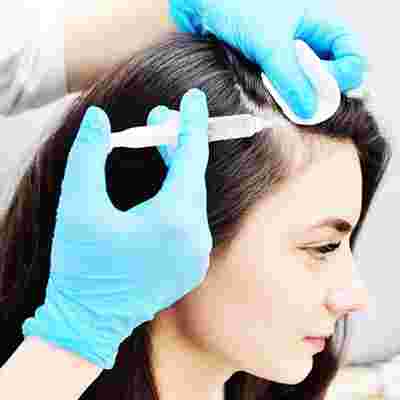
Female hair loss can develop gradually and may become noticeable through changes in hair volume, parting, or scalp visibility. While normal shedding is part of the natural hair cycle, persistent hair fall and progressive thinning may require professional attention. Women may notice that their ponytail feels thinner, their middle part looks wider, or their hair no longer has the same fullness.
For women researching Female Hair Loss Treatment, understanding the cause and available options is essential. Enfield Royal Clinic in Islamabad offers different hair restoration treatments that can be discussed according to the individual's hair condition, scalp health, and personal goals.
What Causes Hair Loss in Women?
Hair loss can have many possible causes. Hereditary factors may contribute to gradual thinning, while hormonal changes can influence the normal growth cycle. Stress, nutritional concerns, illness, certain medications, and scalp conditions can also affect hair growth.
Hair-care habits may contribute to breakage as well. Frequent coloring, bleaching, chemical straightening, excessive heat styling, and tight hairstyles can weaken the hair and affect its overall appearance.
Because the causes vary, women should consider professional assessment before choosing a treatment.
Signs That Hair May Be Thinning
Female hair loss is not always sudden. Some women initially notice increased shedding during brushing or washing. Others notice a smaller ponytail or reduced volume when styling.
A widening middle part, thinning around the crown, finer strands, and increased scalp visibility can also indicate reduced density.
When these changes continue for an extended period, professional evaluation can help determine what may be contributing to the problem.
Professional Hair and Scalp Assessment
A proper assessment is an important part of Female Hair Loss Treatment. A specialist can examine the scalp and hair while reviewing the patient's history.
The consultation may include questions about how long the hair loss has been present, whether it is progressing, family history, previous treatments, lifestyle, nutrition, and hair-care practices.
Additional assessment may be recommended if there are signs of an underlying nutritional, hormonal, or medical factor.
PRP Hair Restoration
Platelet-Rich Plasma therapy, or PRP, is a non-surgical option used for certain types of hair thinning. A small amount of blood is collected and processed to concentrate platelets. The prepared PRP is then administered into selected areas of the scalp.
The treatment is intended to support existing follicles and encourage a healthier environment for hair growth. It may be considered when follicles are still present but are producing finer or weaker hair.
Treatment plans can vary, and multiple sessions may be recommended. Since hair follows a natural growth cycle, visible improvement generally develops gradually.
Mesotherapy for Hair
Mesotherapy may be considered for certain hair and scalp concerns. It involves introducing selected substances into the scalp.
Its suitability depends on the individual's condition and treatment goals. During consultation, a specialist can explain whether mesotherapy may be appropriate as part of a personalized hair-restoration plan.
Low-Level Laser Therapy
Low-Level Laser Therapy, also called LLLT, is a non-invasive approach that uses low-level light directed toward the scalp.
It may be considered by women who prefer a non-surgical treatment. The objective is to support existing follicles and create a favorable environment for hair growth.
The potential response varies according to factors such as the underlying cause and severity of hair thinning.
Female Hair Transplantation
Hair transplantation may be considered for selected women with permanent or localized hair loss and adequate donor hair.
The procedure involves moving healthy follicles from a suitable donor area to areas where density has decreased. FUE extracts individual follicles, while FUT uses a strip of donor tissue from which follicles are prepared.
Female hair transplantation requires careful planning because existing hair often remains within the thinning region. Natural hair direction, donor availability, placement, and desired density are important considerations.
Treatment at Enfield Royal Clinic in Islamabad
Women interested in Female Hair Loss Treatment can consult Enfield Royal Clinic in Islamabad to discuss their individual concerns and possible treatment approaches.
A personalized plan may consider the pattern of thinning, scalp health, existing hair density, donor availability, and desired results. Depending on the assessment, non-surgical treatments or transplantation may be considered.
Consultation also gives patients an opportunity to understand the treatment process, expected timeline, and aftercare recommendations.
Supporting Hair Health
Protecting existing hair can be an important part of managing hair loss. A balanced diet containing adequate protein and essential nutrients supports normal hair health.
Women can limit excessive heat styling and avoid unnecessary chemical processing. Gentle brushing and avoiding hairstyles that constantly pull on the roots may help reduce breakage.
If hair loss continues despite good hair-care practices, professional assessment is recommended.
What to Expect From Treatment
Hair restoration is generally a gradual process. Hair follicles move through natural growth cycles, so visible improvement does not usually happen immediately.
Some treatments may require multiple sessions, while transplantation involves a longer growth period. The timeline varies according to the procedure and the individual's response.
Patients should follow professional aftercare instructions and attend recommended follow-up appointments.
Realistic Expectations for Hair Restoration
Results can differ from one patient to another. Factors such as the cause of hair loss, severity of thinning, existing follicle health, donor availability, and treatment consistency can affect the outcome.
A consultation allows patients to discuss their goals and understand the potential benefits and limitations of their recommended treatment.
Having realistic expectations is an important part of making an informed decision.
Long-Term Hair Care
Hair restoration can involve ongoing management depending on the underlying cause. Some women may benefit from follow-up evaluations or maintenance treatments.
Protecting existing hair from unnecessary heat, chemicals, and excessive tension can help maintain its appearance. Healthy hair-care habits can complement professional treatment.
Choosing a Suitable Treatment
There is no universal solution for female hair loss. Temporary shedding, hereditary thinning, hair breakage, and permanent localized loss can require different approaches.
Professional assessment can help determine which options are relevant to the patient's specific condition. Women can then make a decision based on their individual needs rather than choosing a treatment simply because it is popular.
Conclusion
Female hair loss can result from hereditary factors, hormonal changes, stress, nutritional concerns, medical conditions, scalp problems, and hair damage. Since the cause and pattern can vary considerably, professional assessment is an important first step.
For women searching for Female Hair Loss Treatment, Enfield Royal Clinic in Islamabad offers different hair restoration options that can be discussed during consultation. Depending on individual suitability, PRP, mesotherapy, Low-Level Laser Therapy, and hair transplantation may be considered.

 English
 Arabic
 French
 Spanish
 Portuguese
 Deutsch
 Turkish
 Dutch
 Italiano
 Russian
 Romaian
 Portuguese (Brazil)