


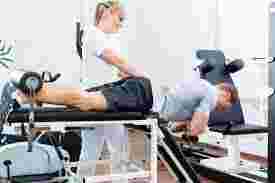
Understanding the Need for Specialized Rehabilitation
Physical health affects the way people work, exercise, and complete everyday activities. A healthy body depends on coordinated systems that allow muscles, joints, and the nervous system to work together effectively. When an injury, surgery, illness, or physical strain disrupts normal movement, individuals may experience limitations that impact their daily routines.
Physical therapy provides a structured method for improving physical abilities through guided rehabilitation. Instead of focusing only on temporary relief, therapy emphasizes restoring function through movement-based solutions. Treatment may involve strengthening exercises, mobility techniques, balance training, flexibility activities, and functional exercises designed around individual needs.
How Rehabilitation Supports Individual Recovery
Every recovery journey is different. Some people may need assistance after an accident, while others may require support after surgery or a sports-related injury. Even individuals without a major injury may seek therapy to address weakness, limited mobility, or difficulties performing certain activities.
A comprehensive evaluation helps identify the factors affecting movement. Physical therapists may assess posture, strength, flexibility, joint function, coordination, balance, and activity tolerance. This information allows them to create a rehabilitation plan that matches the person's current abilities and future goals.
Exploring Physical Therapy San Ramon
Individuals searching for Physical Therapy San Ramon can access rehabilitation solutions focused on improving movement, restoring function, and helping people return to their preferred activities. Treatment may include therapeutic exercises, movement retraining, strengthening programs, flexibility work, balance activities, and functional training. A personalized therapy approach can help individuals address their specific challenges while working toward meaningful goals.
Addressing Movement Limitations Effectively
Movement limitations can affect many parts of daily life. Simple actions such as walking, bending, reaching, or lifting may become difficult when the body is not functioning properly. These limitations can also reduce participation in activities that people enjoy.
Physical therapy can help individuals gradually improve their physical capabilities. Through carefully selected exercises and movement strategies, rehabilitation can focus on improving control, stability, and overall function.
Restoring Strength After Physical Setbacks
Loss of strength is common after injury, surgery, or extended periods of inactivity. Reduced muscle capacity can make daily activities more demanding and increase the difficulty of returning to previous routines.
Strength training within rehabilitation focuses on rebuilding physical capacity safely. Exercises can begin with appropriate challenges and progress over time as the individual becomes stronger and more comfortable with movement.
Improving Mobility for Daily Activities
Mobility is important for maintaining independence. Limited joint movement or muscle stiffness can interfere with everyday tasks and reduce overall activity levels.
A rehabilitation program may include mobility exercises that encourage better movement patterns. Improving flexibility and joint function can help individuals move more freely and perform activities with greater ease.
Supporting Active Lifestyles
Many people want to maintain an active lifestyle through exercise, sports, outdoor activities, or recreational hobbies. Injuries or physical limitations can interrupt these activities and make returning feel uncertain.
Physical therapy can support a gradual return to activity by addressing the physical requirements needed for participation. Training may focus on endurance, coordination, strength, stability, and movement efficiency.
Enhancing Balance and Body Control
Balance is an important part of safe movement. It helps individuals remain stable while walking, changing positions, navigating different surfaces, and performing physical tasks.
Balance-focused exercises can help improve body awareness and coordination. These activities can be adjusted based on individual abilities and progressed as confidence improves.
Connecting Rehabilitation With Real-Life Goals
Effective therapy should relate to the activities individuals want to perform outside the clinic. Functional rehabilitation focuses on practical movements that support daily living.
Exercises may involve patterns similar to lifting, carrying, walking, reaching, stepping, or changing direction. By connecting treatment with real-world activities, rehabilitation can become more meaningful and goal-focused.
Preparing for Occupational Requirements
Work-related injuries or physical limitations can create challenges when returning to employment. Different careers require different levels of strength, mobility, and endurance.
A rehabilitation plan can consider the physical demands of a person's occupation. Improving movement skills and physical capacity can help individuals prepare for workplace responsibilities.
Helping Athletes Recover and Perform
Athletes often require rehabilitation that goes beyond basic recovery. Returning to sports may require rebuilding specific abilities such as speed, agility, endurance, coordination, and strength.
Physical therapy can help athletes gradually prepare for their sport by introducing exercises that reflect their performance needs. This approach supports a controlled transition back into training and competition.
Learning Better Movement Habits
Recovery is not only about completing exercises; it is also about understanding how the body moves. Poor movement patterns may contribute to repeated strain or difficulty performing certain activities.
Physical therapy can provide education about posture, body mechanics, exercise techniques, and activity progression. These skills can help individuals make better decisions about movement in the future.
The Importance of Staying Consistent
Rehabilitation requires active participation. Regular therapy sessions and recommended exercises can provide opportunities for continued improvement.
Consistency helps the body adapt gradually to increased demands. Small improvements over time can lead to meaningful changes in mobility, strength, and confidence.
Continuing Progress After Therapy
The benefits of rehabilitation can continue when individuals maintain healthy movement habits. Regular exercise, stretching, strengthening, and appropriate physical activities can support long-term wellness.
Creating a realistic routine that fits into daily life makes it easier to maintain progress. Continued movement can help individuals remain active and independent.
Selecting a Personalized Rehabilitation Approach
When considering Physical Therapy San Ramon, individuals may benefit from choosing a rehabilitation approach that focuses on personalized care and functional improvement. Effective therapy considers each person's goals, challenges, lifestyle, and desired outcomes.
A patient-focused approach allows treatment to address the areas that matter most, whether the goal is returning to sports, improving daily activities, or rebuilding physical confidence.
Conclusion
Physical therapy plays an important role in helping individuals overcome movement challenges and improve their quality of life. Through personalized evaluations, therapeutic exercises, mobility training, strengthening, balance activities, and functional rehabilitation, patients can work toward better physical performance. For those exploring Physical Therapy San Ramon, a structured and individualized rehabilitation plan can provide the support needed to regain movement, confidence, and an active lifestyle.

 English
 Arabic
 French
 Portuguese
 Deutsch
 Turkish
 Dutch
 Italiano
 Russian
 Romaian
 Portuguese (Brazil)
 Greek