


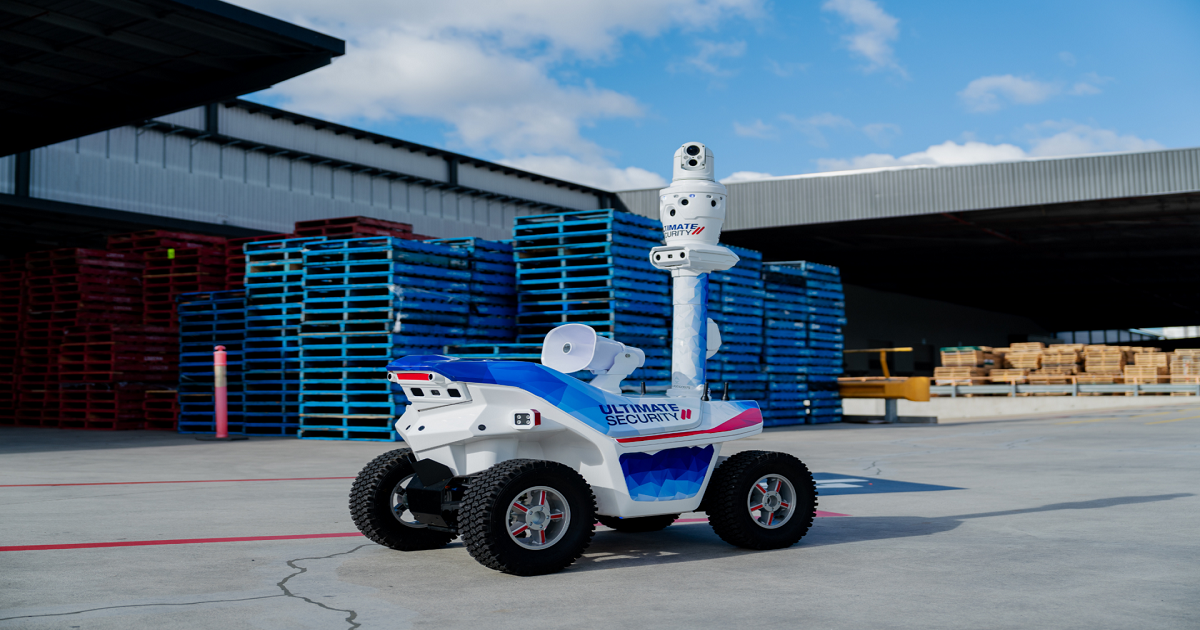
Imagine a night watchman who never gets tired, never checks his phone, and never misses a single movement in the dark. That's not science fiction anymore — it's exactly what a modern Security Robot Pakistan businesses are turning to in 2026. As crime patterns shift and property owners demand smarter protection, robotic surveillance systems are stepping in where traditional guards fall short. From gated communities in Lahore to industrial plants in Karachi, automated security units are quietly becoming the new standard for round-the-clock protection.
At Alpine Industrial Con, we've watched this shift happen firsthand. Clients no longer ask "should we get a Security Robot Pakistan?" — they ask "which type fits our facility?" That question is exactly what this guide answers.
Why Security Robots Are Gaining Ground in Pakistan
Pakistan's security landscape is changing fast. Rising property crime, labor shortages in the private guarding sector, and growing awareness of AI-driven surveillance have pushed businesses to rethink how they protect their assets. Human guards still matter, but they get fatigued, distracted, or overwhelmed during long shifts. Robotic patrol units don't have that problem.
The Cost Factor
Hiring, training, and retaining a full guard team is expensive and time-consuming. A one-time investment in an autonomous patrol unit often works out cheaper over a three-to-five-year period, especially for large warehouses or factory compounds where multiple guards would otherwise be needed.
The Technology Gap Is Closing
A few years ago, this kind of automation was only available to multinational corporations. Today, local integrators like Alpine Industrial Con are making robotic protection systems accessible to mid-sized businesses across Pakistan, without the overseas price tag.
Main Types of Security Robots Used in Pakistan
Not every facility needs the same kind of robotic guard. Here's a breakdown of the most common types currently deployed across the country.
1. Patrol Robots
These are the most widely used robotic surveillance systems in commercial and industrial settings. They follow pre-set or dynamic routes across a property, using cameras and sensors to detect unusual activity. Many models used locally are equipped with thermal imaging, which is especially useful during Pakistan's foggy winter nights in cities like Multan and Faisalabad.
2. Stationary Sentry Robots
Rather than moving around, these units stay fixed at entry points, gates, or high-value storage areas. They act like a smart digital guard that scans faces, reads number plates, and flags anything out of the ordinary. Malls, banks, and corporate offices in Islamabad have started adopting these for lobby and parking-lot monitoring.
3. Drone-Based Aerial Units
For large properties — think agricultural estates, construction sites, or sprawling industrial zones — ground robots alone aren't enough. Aerial drones extend coverage over rooftops, perimeters, and open land that would take a human patrol far too long to check on foot.
4. Indoor Assistance Robots
Some facilities, especially hospitals and corporate buildings, use smaller robotic units indoors for access control, visitor verification, and even basic reception duties alongside their protective function.
Practical Uses Across Different Sectors in Pakistan
Industrial and Manufacturing Units
Factories in Sialkot and Gujranwala often run multiple shifts, and blind spots in large compounds are a constant worry. Robotic patrol systems fill these gaps by continuously monitoring loading docks, storage yards, and machinery zones without needing breaks.
Residential Societies and Gated Communities
Housing societies in cities like Lahore and Karachi are increasingly deploying automated patrol units alongside their existing guard staff. The robots handle repetitive perimeter checks, freeing human guards to focus on resident interaction and emergency response.
Retail and Commercial Plazas
Shopping centers benefit from a visible robotic presence that deters shoplifting and unauthorized access, while also collecting footage that's useful for later investigation if an incident does occur.
Educational Campuses
Universities and school campuses are exploring robotic sentries for after-hours monitoring, when the risk of unauthorized entry is highest and staffing is typically lowest.
Key Insights and Tips for Choosing the Right System
-
Match the robot to your terrain. Uneven ground, gravel, or staircases can limit wheeled units — assess your site layout before choosing a model.
-
Prioritize local support. Imported systems without local servicing can leave you stranded if something breaks. Work with a provider that offers on-ground maintenance.
-
Combine robots with human oversight. The best results come from a hybrid model — robotic units handle repetitive monitoring, while trained staff manage decision-making and response.
-
Check battery and weather resistance. Pakistan's summer heat and monsoon rains demand hardware built to withstand extreme conditions.
-
Ask about data privacy. Any facility handling surveillance footage should confirm how data is stored and who has access to it.
Why Businesses Choose Alpine Industrial Con
At Alpine Industrial Con, we don't just sell hardware — we design protection strategies tailored to each client's site, budget, and risk profile. Whether it's a single stationary sentry for a small warehouse or a full patrol-and-drone network for an industrial park, our team handles installation, staff training, and ongoing maintenance. As demand for a reliable Security Robot Pakistan solution grows, we're focused on making that technology practical, affordable, and genuinely effective for local conditions — not just an imported gadget that looks good on paper.
Robotic protection is no longer a luxury reserved for global corporations — it's becoming a realistic, cost-effective option for businesses, housing societies, and institutions across Pakistan. Choosing the right Security Robot Pakistan provider comes down to understanding your site's specific needs and partnering with a team that offers real local support. With the right setup, automated surveillance doesn't replace your security team — it strengthens it, closing gaps that human patrols simply can't cover alone. Alpine Industrial Con is ready to help you find that balance.
FAQs
1. What is a security robot used for?
A security robot monitors properties through cameras, sensors, and sometimes thermal imaging, detecting unusual activity and alerting staff in real time without needing rest breaks.
2. Are robotic security systems affordable for small businesses in Pakistan?
Yes. While the upfront cost varies by model, many mid-sized businesses find that a one-time investment in a patrol or sentry unit becomes more cost-effective than a full human guard team over several years.
3. Can robots fully replace human security guards?
Not entirely. Robots are best used alongside trained staff — they handle repetitive monitoring tasks while humans manage decision-making, response, and resident or visitor interaction.
4. Do these systems work well in Pakistan's climate?
Quality units are built to handle extreme heat and monsoon conditions, but it's important to confirm weather resistance and local servicing support before purchasing.
5. How does Alpine Industrial Con support clients after installation?
Alpine Industrial Con provides full installation, staff training, and ongoing maintenance, ensuring the system continues performing reliably long after setup.

 English
 Arabic
 French
 Spanish
 Portuguese
 Deutsch
 Turkish
 Dutch
 Italiano
 Russian
 Romaian
 Portuguese (Brazil)