


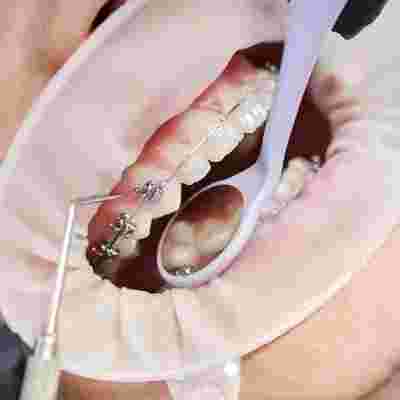
A straight and well-aligned smile can improve confidence and contribute to better oral hygiene. Many people have crooked, crowded, rotated, or widely spaced teeth that affect the appearance of their smile. Some patients may also experience bite irregularities that influence how their upper and lower teeth meet. Orthodontic treatment can gradually improve these concerns by guiding teeth into more appropriate positions. Dental Braces in Islamabad are a popular orthodontic option for teenagers and adults who want to improve their smile through professional dental care.
Braces use controlled pressure to move teeth gradually over time. Since tooth movement is a slow biological process, successful treatment requires patience, regular appointments, and proper care. Every patient has different dental needs, so the treatment approach should be developed after a professional examination.
What Are Dental Braces?
Dental braces are orthodontic appliances designed to correct the position of teeth. Traditional braces generally consist of brackets attached to the teeth and orthodontic wires that connect the brackets. The wires provide controlled forces that gradually guide the teeth.
Braces may be recommended for crowded teeth, gaps, crooked teeth, rotated teeth, and certain bite concerns. Improving tooth alignment may also make some areas easier to reach when brushing and flossing.
For anyone considering Dental Braces in Islamabad, a professional consultation is an important first step. The dentist can evaluate the condition of the teeth and explain which orthodontic options may be appropriate.
Why Do People Choose Braces?
The appearance of the smile is one of the main reasons people seek orthodontic treatment. Crooked or crowded teeth can make some individuals feel less confident when smiling or speaking.
There can also be practical reasons for choosing braces. Teeth that overlap may create narrow spaces where food particles and plaque can accumulate. Better alignment may make daily oral hygiene easier.
Some patients seek treatment because of bite concerns. Overbite, underbite, and crossbite are examples of conditions that may require orthodontic assessment.
The suitability of braces depends on the patient's individual dental condition, so treatment should always be professionally planned.
Common Orthodontic Problems
Crowding occurs when there is insufficient space for the teeth to fit correctly within the dental arch. This can result in overlapping, rotated, or displaced teeth.
Spacing refers to unwanted gaps between teeth. Gaps can develop for different reasons, including differences in tooth size or dental development.
Crooked teeth can affect the appearance of the smile and may sometimes make cleaning certain surfaces more difficult.
Bite irregularities can affect how the upper and lower teeth meet. The dentist can assess the bite and determine whether orthodontic treatment may be beneficial.
Types of Dental Braces
Traditional metal braces are a well-established treatment option. They are fixed to the teeth and can be used to manage many types of orthodontic concerns.
Ceramic braces are designed to provide a more discreet appearance. Their brackets can blend more closely with the natural color of the teeth.
Clear aligners are transparent removable trays used for selected orthodontic cases. They can be removed for meals and oral hygiene, although patients must follow the recommended wearing schedule.
The most suitable option depends on the complexity of the orthodontic problem, the required tooth movements, and the patient's dental condition.
Initial Dental Consultation
Before braces are placed, the dentist performs a detailed assessment of the teeth and gums. The bite and overall oral health are also evaluated.
Depending on the individual case, X-rays, digital scans, or photographs may be recommended. These diagnostic records help provide a clearer picture of tooth positions and jaw relationships.
If cavities or gum concerns are found, they may need to be addressed before orthodontic treatment begins.
At Enfield Royal Clinic Islamabad, patients can discuss their concerns about tooth alignment and learn about suitable orthodontic treatment options after a professional evaluation.
How Braces Work
Braces apply controlled pressure to individual teeth. Over time, this pressure encourages the teeth to move toward their planned positions.
The process is gradual and requires regular monitoring. During follow-up appointments, the dentist checks the progress of tooth movement and makes adjustments when necessary.
Patients may notice mild pressure or sensitivity after braces are fitted or adjusted. This can be temporary. Any severe or persistent discomfort should be discussed with the dental professional.
Importance of Regular Appointments
Orthodontic treatment requires consistent follow-up. Regular appointments allow the dentist to monitor tooth movement and ensure that the treatment is progressing appropriately.
During appointments, the condition of brackets and wires can also be checked. Loose brackets or damaged wires should be reported so they can be professionally managed.
Attending appointments according to the recommended schedule can help prevent unnecessary interruptions in treatment.
Oral Hygiene With Braces
Maintaining excellent oral hygiene is particularly important during orthodontic treatment. Brackets and wires can create additional areas where plaque and food particles collect.
Patients should brush carefully around each bracket and along the gumline. Cleaning between teeth is also important for removing plaque from areas that are difficult to reach.
A dentist can recommend appropriate brushing techniques and cleaning tools. Regular dental check-ups can also help monitor the health of the teeth and gums.
Food and Braces
Certain foods can damage fixed orthodontic appliances. Very hard foods may loosen brackets, while sticky foods can become trapped around wires.
Patients should follow the dietary instructions provided by their dental professional. Cutting food into smaller pieces can make eating easier and reduce pressure on the braces.
If a bracket becomes loose or a wire breaks, patients should contact the dental clinic for professional guidance instead of attempting to repair the appliance themselves.
How Long Does Treatment Take?
Orthodontic treatment duration varies from patient to patient. The severity of crowding, spacing, crooked teeth, or bite problems can influence how long treatment takes.
The type of braces, amount of tooth movement required, age, oral health, and patient cooperation can also affect the timeline.
Some patients may require a relatively shorter treatment period, while complex cases can take longer. The dentist can provide a more personalized estimate after examining the teeth.
Dental Braces for Teenagers
Teenagers are commonly assessed for orthodontic treatment because permanent teeth have developed and jaw growth may still be taking place.
The appropriate timing for braces varies between individuals. A professional assessment can determine whether treatment should begin immediately or whether continued monitoring is appropriate.
Teenagers wearing braces should pay particular attention to brushing, cleaning between teeth, food choices, and regular orthodontic appointments.
Dental Braces for Adults
Adults can also benefit from orthodontic treatment when their teeth and supporting structures are suitable. Many adults choose braces to address long-standing alignment concerns.
Ceramic braces and clear aligners may provide discreet alternatives for appropriate cases. However, treatment selection should be based on professional assessment rather than appearance alone.
Adults should have their teeth and gums examined before starting orthodontic treatment. Any existing dental concerns may need to be addressed first.
Retainers After Braces
Retainers are generally used after active orthodontic treatment to help maintain the new positions of the teeth. Teeth can naturally shift after braces are removed, making retention an important part of aftercare.
The dentist will provide instructions about the type of retainer and recommended wearing schedule. Following these instructions can help support long-term alignment.
Patients should keep their retainers clean and contact their dental provider if a retainer becomes damaged or does not fit correctly.
Choosing Enfield Royal Clinic Islamabad
Choosing a dental clinic for orthodontic care is an important decision. Patients may consider the qualifications and experience of the dental team, available orthodontic treatments, diagnostic facilities, hygiene practices, and follow-up services.
Enfield Royal Clinic Islamabad provides dental and orthodontic services for patients interested in improving tooth alignment and smile appearance. A consultation gives patients an opportunity to discuss their individual concerns and understand possible treatment approaches.
Personalized treatment planning is important because orthodontic problems vary significantly from one patient to another.
Maintaining the Results
After braces are removed, maintaining good oral hygiene remains important. Patients should continue brushing and flossing regularly and attend routine dental examinations.
Retainers should be used according to the dentist's recommendations. Consistent retainer use can help reduce unwanted tooth movement after active orthodontic treatment.
Healthy daily habits can help protect both the orthodontic results and the overall health of the teeth and gums.
Conclusion
Crooked, crowded, and unevenly spaced teeth can affect confidence, appearance, and sometimes oral hygiene. Dental Braces in Islamabad provide an established method for gradually improving tooth alignment and addressing suitable bite concerns.

 English
 Arabic
 French
 Spanish
 Portuguese
 Turkish
 Dutch
 Italiano
 Russian
 Romaian
 Portuguese (Brazil)
 Greek