


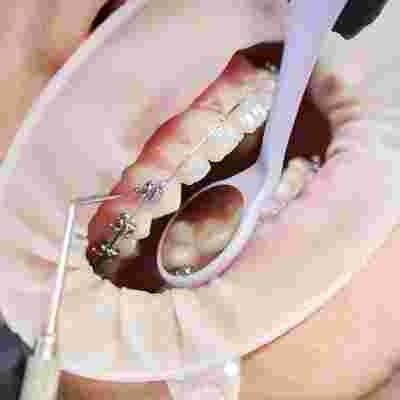
A straight and well-aligned smile is often associated with confidence, comfort, and good oral care. However, many people have crooked, crowded, rotated, or widely spaced teeth. These concerns can affect the appearance of the smile and, in some cases, make daily brushing and flossing more difficult. Certain bite irregularities may also affect how the upper and lower teeth meet. Orthodontic treatment provides a gradual approach to improving tooth alignment, and Dental Braces in Islamabad are a widely used option for patients seeking a straighter and more balanced smile.
For individuals considering orthodontic treatment, choosing an experienced dental clinic is an important step. Enfield Royal Clinic Islamabad can provide professional dental consultation and help patients understand their orthodontic needs. Since every patient's teeth and bite are different, treatment should always be planned according to an individual dental assessment.
Understanding Dental Braces
Dental braces are orthodontic appliances that gradually move teeth into improved positions. Traditional braces usually consist of brackets attached to the teeth and wires that connect the brackets. The wires apply controlled forces that guide tooth movement over time.
Braces can be used to address a variety of orthodontic concerns. These can include crowded teeth, spaces between teeth, crooked teeth, rotated teeth, and selected bite irregularities.
The goal of treatment is not simply to make teeth look straight. Proper orthodontic planning considers tooth position, bite, oral health, and the long-term stability of the result.
If you are researching Dental Braces in Islamabad, a professional consultation is the best way to understand which orthodontic approach may be appropriate for your teeth.
Why Do People Need Braces?
There are several reasons why patients consider orthodontic treatment. The appearance of the smile is one of the most common reasons. Crooked or crowded teeth can make some people feel less confident when smiling or speaking.
Alignment can also have an effect on oral hygiene. Teeth that overlap may create areas where plaque and food particles accumulate. These areas can sometimes be harder to clean effectively.
Braces may also be recommended for certain bite problems. An orthodontic evaluation allows the dentist to examine the relationship between the upper and lower teeth and determine whether treatment may be beneficial.
Common Orthodontic Concerns
Crowding occurs when there is not enough space for teeth to fit properly within the dental arch. Teeth may overlap, rotate, or appear out of position.
Spacing is another common concern. Some patients have visible gaps between their teeth due to natural development or other dental factors.
Crooked teeth can affect the overall appearance of the smile, while rotated teeth may require controlled movement to improve their position.
Bite concerns such as overbite, underbite, and crossbite can also be evaluated during orthodontic treatment planning.
Dental Braces for Crowded Teeth
Crowding can range from mild to more complex. When teeth overlap significantly, certain areas may become difficult to reach while brushing.
During a consultation, the dentist examines the position of each tooth and evaluates the amount of available space.
If braces are appropriate, controlled forces can gradually move the teeth toward better positions.
The treatment plan is customized because the causes and severity of crowding differ between patients.
Braces for Gaps and Spacing
Gaps between teeth can be a cosmetic concern for many patients. However, the cause of spacing should be considered before treatment begins.
Spacing can sometimes be associated with tooth size, dental development, or missing teeth.
For suitable patients, braces can gradually move the teeth and improve unwanted spaces.
The dentist plans tooth movement carefully to create a balanced relationship between neighboring teeth.
Correcting Crooked and Rotated Teeth
Crooked teeth can make the smile appear uneven. They can also create areas that require additional attention during daily oral hygiene.
Rotated teeth may be positioned at an angle because of limited space or other developmental factors.
Orthodontic appliances can gradually apply controlled forces to reposition suitable teeth.
The treatment duration and movement required depend on the individual case.
Braces and Bite Alignment
A balanced bite is an important part of orthodontic care. Some patients have an overbite in which the upper teeth extend significantly over the lower teeth.
An underbite occurs when the lower teeth extend beyond the upper teeth, while a crossbite occurs when certain upper and lower teeth do not meet in the expected relationship.
These concerns vary in severity. A dentist must evaluate the patient's teeth and jaw relationship before deciding on an appropriate treatment.
Types of Braces Available
Traditional metal braces remain a reliable option for many orthodontic cases. They use brackets and wires to guide teeth gradually.
Ceramic braces are designed to provide a less noticeable appearance. Their brackets can blend more closely with the natural color of the teeth.
Clear aligners are transparent removable trays that may be suitable for selected cases. They provide flexibility for eating and cleaning but need to be worn consistently according to professional instructions.
The most suitable option depends on the patient's dental condition and treatment requirements.
Consultation at Enfield Royal Clinic Islamabad
Before starting orthodontic treatment, patients should undergo a detailed dental assessment. The dentist checks the teeth, gums, bite, and overall oral health.
Depending on the case, X-rays, photographs, or digital scans may be recommended to evaluate tooth positions and jaw structure.
Any cavities, gum concerns, or other dental conditions may need to be treated before braces are placed.
At Enfield Royal Clinic Islamabad, patients can discuss their concerns with the dental team and receive guidance regarding appropriate orthodontic treatment.
What Happens During Braces Placement?
Once an individualized treatment plan has been prepared, the braces are placed according to the patient's requirements.
With traditional braces, brackets are attached to the teeth and connected with orthodontic wires.
Some patients experience mild pressure or sensitivity after the braces are fitted or adjusted. This is often temporary while the mouth adapts.
Patients should contact their dental professional if they experience significant or persistent discomfort.
Importance of Follow-Up Visits
Braces require regular monitoring throughout treatment. During follow-up appointments, the dentist evaluates tooth movement and checks the condition of the orthodontic appliance.
Adjustments may be made to continue guiding the teeth according to the treatment plan.
Appointments also provide an opportunity to address loose brackets, damaged wires, or other concerns.
Regular attendance is an important part of maintaining consistent orthodontic care.
Oral Hygiene During Braces Treatment
Maintaining good oral hygiene is particularly important when wearing braces. Brackets and wires can create additional surfaces where plaque and food particles collect.
Patients should brush carefully around brackets and along the gumline. Cleaning between teeth is also essential.
The dental team can demonstrate suitable brushing methods and recommend appropriate cleaning aids.
Regular dental examinations should continue throughout orthodontic treatment.
Foods to Avoid or Limit
Hard and sticky foods can damage fixed braces. Hard foods may loosen brackets, while sticky foods can become trapped around wires.
Patients should follow the dietary instructions provided by their dentist.
Cutting food into smaller pieces can make chewing easier and reduce unnecessary pressure on brackets and wires.
If a bracket becomes loose or an orthodontic wire breaks, professional dental advice should be obtained.
How Long Does Treatment Take?
There is no universal treatment duration for braces. Every patient's orthodontic needs are different.
The complexity of crowding, spacing, crooked teeth, or bite concerns can influence how long treatment takes.
Other factors may include the type of orthodontic appliance, amount of tooth movement required, oral health, age, regular appointments, and following professional instructions.
An individualized estimate can be provided after the patient's teeth have been properly examined.
Braces for Teenagers
Teenagers are often evaluated for orthodontic treatment because permanent teeth have developed and jaw growth may still be occurring.
The appropriate time for treatment differs from person to person. A dental examination can help determine whether braces are suitable.
Teenagers should pay particular attention to brushing around brackets and following dietary recommendations.
Regular orthodontic appointments are also important for monitoring progress.
Braces for Adults
Adults can also receive orthodontic treatment when their teeth and supporting structures are suitable.
Many adults seek braces to improve crooked teeth, crowding, spacing, or smile appearance.
Ceramic braces and clear aligners may offer discreet alternatives for selected patients.
Before treatment, adults should have their teeth and gums examined. Existing dental concerns may need to be treated before orthodontic appliances are placed.
Retainers After Braces
Retainers are commonly recommended after active orthodontic treatment. Their purpose is to help maintain the new positions of the teeth.
Teeth can naturally move after braces are removed. Wearing retainers according to professional instructions can help minimize unwanted shifting.
Removable retainers should be cleaned regularly and stored safely.
If a retainer becomes damaged or does not fit properly, patients should contact their dental professional.
Why Choose Enfield Royal Clinic Islamabad?
Selecting the right clinic is an important part of orthodontic treatment. Patients may consider the qualifications and experience of the dental team, available orthodontic services, diagnostic technology, hygiene standards, and follow-up care.
Enfield Royal Clinic Islamabad provides dental and orthodontic services for patients interested in improving tooth alignment and smile appearance.
During a consultation, patients can explain their dental concerns and discuss potential treatment approaches with the dental team. A personalized plan can then be developed according to the patient's individual needs.
Maintaining Your Smile After Treatment
Good oral care remains important after braces are removed. Patients should continue brushing regularly and cleaning between their teeth.
Retainers should be used according to professional recommendations to help maintain tooth alignment.
Regular dental check-ups can also help monitor the health of the teeth and gums after orthodontic treatment.
Consistent oral hygiene and appropriate retainer use can support the long-term results of orthodontic care.
Conclusion
Crooked, crowded, rotated, and spaced teeth can affect confidence, smile appearance, and sometimes everyday oral hygiene. Dental Braces in Islamabad provide an established orthodontic method for gradually improving tooth alignment and addressing suitable bite concerns.

 English
 Arabic
 French
 Portuguese
 Deutsch
 Turkish
 Dutch
 Italiano
 Russian
 Romaian
 Portuguese (Brazil)
 Greek