


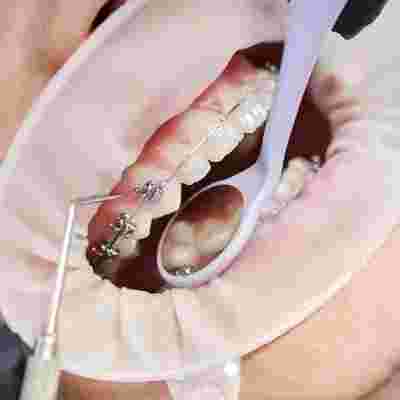
A straight and well-aligned smile can make a person feel more confident in daily life. However, many people have crooked, crowded, rotated, or widely spaced teeth that affect the appearance of their smile. Misaligned teeth can sometimes make brushing and flossing more difficult, while certain bite problems may affect how the upper and lower teeth come together. Orthodontic treatment provides a gradual way to improve tooth alignment and create a more balanced smile. Dental Braces in Islamabad are a popular orthodontic solution for teenagers and adults who want to improve their smile and dental alignment.
For patients searching for professional orthodontic care, Enfield Royal Clinic Islamabad can be an option for discussing dental alignment concerns and available treatment approaches. A professional assessment is important because every patient has different teeth, jaw structure, bite characteristics, and oral health needs.
What Are Dental Braces?
Dental braces are orthodontic appliances designed to gradually move teeth into planned positions. Traditional braces usually include brackets that are attached to the teeth and wires that connect the brackets. The wires apply controlled pressure to guide the teeth over time.
Braces can be used for several orthodontic concerns, including crowded teeth, spacing, crooked teeth, rotated teeth, and selected bite irregularities. The treatment plan is developed according to the patient's individual dental condition.
People researching Dental Braces in Islamabad should understand that orthodontic treatment is a gradual process. Teeth do not move instantly, and regular professional monitoring is necessary throughout treatment.
Benefits of Properly Aligned Teeth
One of the main advantages of orthodontic treatment is an improved smile appearance. Straightened teeth can create a more balanced look and may help patients feel more comfortable when smiling.
Proper alignment can also make some areas of the mouth easier to clean. Overlapping teeth may create narrow spaces where plaque and food particles can accumulate.
Orthodontic treatment may also improve certain bite relationships. However, the benefits and expected outcomes vary according to each patient's condition.
A dental professional can explain the potential benefits after evaluating the teeth and bite.
Common Reasons for Getting Braces
People seek braces for many different reasons. Crowding is a common concern when there is insufficient space for teeth in the dental arch.
Spacing is another reason, particularly when noticeable gaps occur between teeth.
Crooked or rotated teeth can affect the appearance of the smile and may make certain areas more difficult to clean.
Some patients also seek orthodontic treatment for bite concerns such as overbite, underbite, or crossbite.
The dentist evaluates each concern before recommending a treatment approach.
Dental Braces for Crowded Teeth
Crowding happens when teeth do not have enough room to fit properly. As a result, teeth may overlap, rotate, or appear uneven.
Mild crowding may have a different treatment approach from more complex cases. The dentist examines the dental arches and tooth positions to determine the appropriate plan.
When braces are suitable, they can gradually guide the teeth toward improved alignment.
Patients should understand that tooth movement takes time and requires regular monitoring.
Dental Braces for Spacing
Some patients have gaps between their teeth that they would like to reduce. Spacing can occur because of natural dental development, tooth size, missing teeth, or other factors.
A professional assessment helps determine why the spaces exist.
In suitable cases, orthodontic treatment can gradually move teeth closer together.
The treatment plan is designed to create a balanced relationship between the teeth rather than simply closing spaces without considering overall alignment.
Treating Crooked and Rotated Teeth
Crooked teeth can affect the appearance of a smile and may create areas that are harder to clean.
Rotated teeth may occur when there is limited space or other dental development factors.
Braces use controlled forces to gradually reposition suitable teeth.
The amount of movement and treatment duration depend on the individual patient's condition.
Bite Alignment and Orthodontics
The bite refers to how the upper and lower teeth meet. A balanced bite is an important consideration during orthodontic treatment.
An overbite occurs when the upper teeth extend significantly over the lower teeth. An underbite occurs when the lower teeth extend beyond the upper teeth.
A crossbite occurs when some upper and lower teeth do not meet in their expected relationship.
The severity of these conditions varies, so a dentist should perform a detailed assessment before recommending treatment.
Types of Braces Available
Traditional metal braces remain a commonly used orthodontic option. They use brackets and wires to apply controlled forces to teeth.
Ceramic braces are designed to provide a more discreet appearance. Their brackets are usually closer in appearance to the natural color of teeth.
Clear aligners are transparent removable trays that may be suitable for certain orthodontic cases. They can be removed for meals and cleaning but require consistent wear according to professional instructions.
The right option depends on the patient's orthodontic needs and the complexity of the required tooth movement.
Initial Consultation and Assessment
A comprehensive examination is an important first step before braces treatment. The dentist examines the teeth, gums, bite, and overall oral health.
Diagnostic records such as X-rays, photographs, or digital scans may be recommended when necessary.
If cavities, gum disease, or other dental concerns are identified, they may need to be treated before braces are fitted.
At Enfield Royal Clinic Islamabad, patients can discuss their concerns and receive professional guidance about potentially suitable orthodontic options.
Getting Ready for Braces
Before treatment starts, patients should understand the responsibilities involved in wearing braces.
The dental team can explain proper brushing techniques, cleaning between teeth, food recommendations, and appointment schedules.
Patients should also understand how to protect brackets and wires from unnecessary damage.
Following professional instructions can make orthodontic treatment easier to manage.
What Happens During Braces Placement?
After the dentist develops a personalized treatment plan, the braces are placed according to the patient's needs.
Traditional braces involve attaching brackets to the teeth and connecting them with orthodontic wires.
Some patients experience mild pressure or sensitivity after the braces are placed. Similar sensations may occur following later adjustments.
These sensations are often temporary. If discomfort becomes severe or continues unexpectedly, the dental professional should be contacted.
Regular Orthodontic Visits
Braces treatment requires regular appointments. The dentist monitors tooth movement and checks whether the orthodontic appliance is functioning properly.
Adjustments can be made as treatment progresses.
Regular appointments also allow the dental team to identify loose brackets, damaged wires, or other issues.
Patients should attend appointments according to their recommended schedule for appropriate monitoring.
Maintaining Oral Hygiene
Oral hygiene is especially important during orthodontic treatment. Brackets and wires provide additional surfaces where plaque can accumulate.
Patients should brush around each bracket and carefully clean along the gumline.
Cleaning between teeth is also important. Special orthodontic cleaning tools may be recommended depending on the patient's needs.
Routine dental check-ups should continue during orthodontic treatment.
Food and Braces
Certain foods can damage fixed braces. Hard foods may loosen brackets, while sticky foods can become trapped around wires.
Patients should follow the dietary advice provided by their dental professional.
Cutting food into smaller pieces can reduce pressure on brackets and make chewing easier.
If a bracket becomes loose or a wire breaks, patients should contact the dental clinic for guidance.
Treatment Duration
The duration of braces treatment varies from patient to patient. There is no single timeline that applies to everyone.
The complexity of crowding, spacing, crooked teeth, or bite problems can influence the duration.
Other factors can include the type of braces, amount of tooth movement, oral health, age, regular attendance, and following treatment instructions.
A dentist can provide an estimated timeline after examining the patient's teeth.
Dental Braces for Teenagers
Teenagers are commonly evaluated for orthodontic treatment because permanent teeth have developed and jaw growth may still be occurring.
The appropriate time to begin treatment varies according to individual development.
Teenagers should take oral hygiene seriously while wearing braces. They should also follow dietary recommendations and attend regular appointments.
Parents can help younger patients maintain consistent brushing and orthodontic care.
Dental Braces for Adults
Adults can also receive orthodontic treatment if their teeth and supporting structures are suitable.
Many adults choose braces to improve crowded, crooked, or spaced teeth and to enhance smile appearance.
Ceramic braces and clear aligners can offer discreet options in suitable cases.
Adults should have their teeth and gums examined before starting treatment. Any existing dental concerns may need to be addressed first.
Retainers After Braces
Retainers are an important part of many orthodontic treatment plans. They help maintain the position of the teeth after active braces treatment is completed.
Teeth can naturally shift over time. Wearing retainers according to professional instructions can help reduce unwanted movement.
Removable retainers should be cleaned regularly and stored safely when not being worn.
If a retainer becomes damaged or no longer fits properly, patients should seek professional advice.
Choosing Enfield Royal Clinic Islamabad
Selecting a dental clinic is an important decision when considering orthodontic treatment. Patients may consider the qualifications and experience of the dental team, available orthodontic services, diagnostic facilities, hygiene practices, and follow-up care.
Enfield Royal Clinic Islamabad provides dental and orthodontic services for patients interested in improving tooth alignment and smile appearance.
During a consultation, patients can discuss their concerns and learn more about suitable treatment approaches. The dental team can evaluate the patient's individual condition and develop an appropriate treatment plan.
Personalized planning is important because no two orthodontic cases are exactly the same.
Caring for Your Smile After Braces
Good oral hygiene should continue after braces are removed. Patients should brush regularly, clean between their teeth, and attend routine dental examinations.
Retainers should be worn according to the dentist's recommendations.
Patients should also maintain healthy dental habits to protect their teeth and gums over the long term.
Consistent care after orthodontic treatment can help support the results achieved during treatment.
Conclusion
Misaligned teeth can affect the appearance of a smile and may sometimes make oral hygiene more challenging. Dental Braces in Islamabad provide an established way to gradually improve tooth alignment and address suitable orthodontic concerns.

 English
 Arabic
 French
 Spanish
 Portuguese
 Turkish
 Dutch
 Italiano
 Russian
 Romaian
 Portuguese (Brazil)
 Greek