


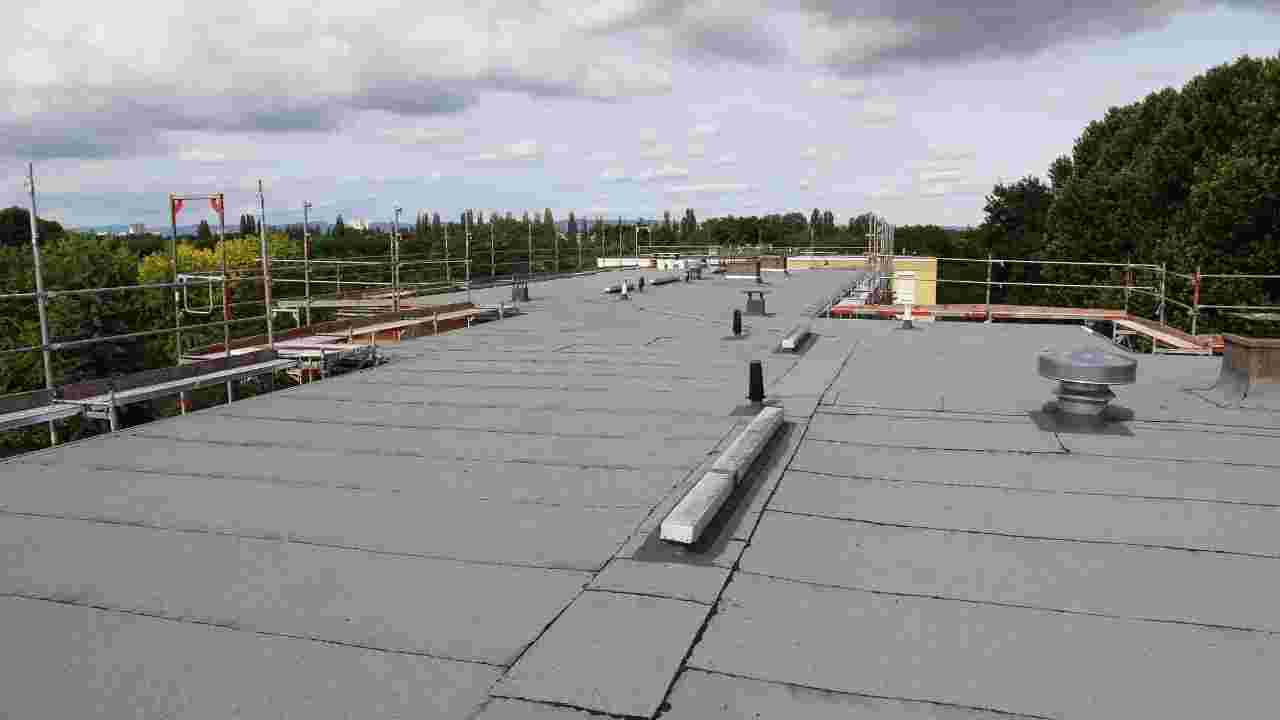
Finding the right waterproofing company in Singapore is essential for protecting your property from leaks, dampness, mould, and structural damage. With Singapore’s frequent rainfall and humid climate, property owners should evaluate experience, workmanship, materials, warranties, and customer service before hiring a waterproofing specialist.
Why Choosing the Right Waterproofing Company Matters
Waterproofing is more than simply applying a coating to a leaking surface. A properly waterproofed building needs the right diagnosis, preparation, materials, application techniques, and maintenance. If a waterproofing problem is treated incorrectly, the leak may return and potentially cause further damage.
Singapore’s tropical climate creates challenging conditions for buildings. Heavy rainfall, high humidity, temperature changes, and prolonged moisture exposure can all contribute to waterproofing problems. Common affected areas include:
-
Roofs and rooftop structures
-
Bathrooms and wet areas
-
Balconies and terraces
-
Concrete walls
-
Basements and underground structures
-
Car parks
-
External walls
-
Swimming pools
-
Planter boxes
-
Expansion joints
Choosing an experienced contractor can help property owners identify the actual source of water ingress instead of simply covering visible symptoms.
What to Look for in a Reliable Waterproofing Contractor
There are several factors you should consider before selecting a contractor. Taking time to compare companies can help you avoid unnecessary repairs and recurring leakage problems.
1. Check Their Industry Experience
Experience is one of the first things to investigate. A company that has handled different types of waterproofing projects is generally better prepared to deal with varying building conditions.
Ask potential contractors:
-
How long have you been providing waterproofing services?
-
What types of properties have you worked on?
-
Have you handled similar leakage problems?
-
Can you provide examples of previous projects?
-
Do you have experience with residential and commercial buildings?
Relevant experience matters because every waterproofing problem is different. A solution suitable for a bathroom may not be appropriate for a rooftop, basement, or external concrete wall.
2. Understand Their Inspection Process
A dependable contractor should not immediately recommend a waterproofing system without understanding the problem.
A professional inspection may involve checking:
-
Visible cracks
-
Surface conditions
-
Drainage systems
-
Existing waterproofing layers
-
Construction joints
-
Pipe penetrations
-
Roof and balcony surfaces
-
Areas where water may be entering from adjacent structures
Water can travel through concrete and other building materials before appearing at a visible location. Therefore, the location of a stain or damp patch is not always the actual source of the leak.
A contractor that takes time to investigate the cause can provide a more appropriate repair strategy.
3. Ask About Waterproofing Methods and Materials
There are several waterproofing systems available, and the correct choice depends on the building surface and exposure conditions.
Common approaches include:
Cementitious Waterproofing
Cement-based waterproofing systems are often used in areas such as bathrooms, concrete structures, tanks, and other wet environments. They can provide an effective protective barrier when properly prepared and applied.
Liquid-Applied Membranes
Liquid waterproofing products are applied directly to prepared surfaces and form a continuous membrane after curing. They can be useful for complex areas where achieving seamless coverage is important.
Membrane Waterproofing
Sheet or membrane systems can provide a protective waterproofing layer for roofs, balconies, decks, and other suitable applications.
Crack and Joint Treatment
Cracks, joints, and penetrations require careful attention because these areas can become pathways for water. Depending on the situation, contractors may use appropriate sealants, injection systems, or other repair techniques.
A reliable contractor should explain why a particular system is recommended, rather than simply presenting a product name.
Evaluate the Quality of Their Workmanship
Even high-quality waterproofing materials can fail when installation is poor. Surface preparation, application thickness, curing, detailing, and protection all influence the performance of a waterproofing system.
Before hiring a contractor, ask how their team handles:
-
Surface cleaning
-
Crack preparation
-
Moisture conditions
-
Primer application
-
Membrane installation
-
Corners and edges
-
Pipe penetrations
-
Drainage points
-
Curing periods
-
Final inspection
Good workmanship is just as important as good materials.
A contractor should also explain whether the repaired area needs protection before it is exposed to regular foot traffic, rain, or other environmental conditions.
Look for Clear and Detailed Quotations
Price is naturally an important consideration for property owners, but the cheapest quotation may not provide the best long-term value.
When comparing quotations, check whether they clearly describe:
-
Areas to be waterproofed
-
Existing surface preparation
-
Repair work
-
Waterproofing materials
-
Number of coats or layers
-
Application method
-
Labour
-
Testing
-
Warranty terms
-
Follow-up services
Two contractors may quote very different prices because they are offering different scopes of work.
Always compare what is included rather than comparing only the final price.
A detailed quotation also makes it easier to understand exactly what you are paying for and reduces the possibility of unexpected costs later.
Check Reviews and Previous Projects
Online reviews can provide useful information about a contractor’s customer experience. However, property owners should look beyond star ratings.
Pay attention to comments about:
-
Workmanship
-
Communication
-
Punctuality
-
Professionalism
-
Leak resolution
-
Responsiveness after completion
-
Whether problems were properly addressed
You can also ask whether the contractor can show examples of completed projects.
For larger commercial or industrial projects, requesting relevant project references can provide additional confidence before making a decision.
Ask About Warranty Coverage
Waterproofing work may come with different warranty terms depending on the system, location, materials, and contractor.
Before signing an agreement, ask:
-
How long is the warranty?
-
What exactly does the warranty cover?
-
Does it cover labour as well as materials?
-
Are there exclusions?
-
What happens if leakage returns?
-
Is inspection required before warranty claims?
-
Are maintenance requirements included?
Do not assume that every waterproofing warranty provides the same level of protection.
Read the warranty conditions carefully and keep your quotation, invoice, and relevant project documents.
Consider Communication and Customer Service
Waterproofing projects can involve disruption to residents, tenants, businesses, or building operations. Clear communication can therefore make the process much easier.
A professional contractor should be able to explain:
-
What caused the waterproofing issue
-
What repair is recommended
-
Which materials will be used
-
How long the work may take
-
What preparation is required
-
What maintenance may be needed
-
What warranty is provided
If a contractor is unwilling to explain the proposed solution or gives vague answers to basic questions, consider asking additional questions before proceeding.
Why Local Knowledge Is Valuable in Singapore
Singapore has a tropical climate with significant rainfall and consistently humid conditions. These environmental factors make effective waterproofing particularly important.
A contractor familiar with local building conditions can better understand common issues associated with:
-
Intense rain
-
Persistent humidity
-
Water ponding
-
Concrete cracks
-
-
Roof exposure
-
Wet-area leakage
-
Poor drainage
-
Building movement
For property owners, selecting a waterproofing company in Singapore that understands local conditions can make it easier to develop a practical waterproofing and maintenance strategy.
Questions to Ask Before Hiring
Before making your final decision, prepare a short list of questions.
Technical Questions
Ask:
-
What is causing the water leakage?
-
Which waterproofing system do you recommend?
-
Why is this system suitable?
-
How will the surface be prepared?
-
How will cracks and joints be treated?
-
How will the completed work be tested?
Project Questions
Also ask:
-
How long will the project take?
-
What areas will be affected?
-
Do I need to move furniture or equipment?
-
How long does the waterproofing need to cure?
-
When can the area be used normally again?
Commercial Questions
Finally, clarify:
-
What is the total cost?
-
What does the quotation include?
-
Are there potential additional charges?
-
What warranty is provided?
-
What after-sales support is available?
Getting clear answers before work begins can help prevent misunderstandings.
Consider Allseal Waterproofing PTE Ltd
For property owners researching waterproofing solutions, Allseal Waterproofing PTE Ltd can be considered as one of the companies to evaluate when comparing waterproofing contractors in Singapore.
As with any service provider, property owners should discuss their specific waterproofing requirements, inspect the proposed scope of work, and understand the materials, workmanship, timeline, and warranty before proceeding.
Allseal Waterproofing PTE Ltd can be approached to discuss the nature of a property's waterproofing concerns and determine what type of solution may be suitable for the affected area.
The key is not simply choosing a contractor based on a company name. Instead, look at the complete combination of experience, inspection, technical knowledge, workmanship, materials, pricing transparency, warranty, and customer support.
Warning Signs to Watch For
While comparing contractors, be cautious if you encounter the following situations:
Extremely Low Quotes
A significantly lower price may indicate a limited scope of work, cheaper materials, inadequate preparation, or exclusions that are not immediately obvious.
No Proper Inspection
A contractor who recommends a solution without examining the affected area may not have enough information to identify the actual cause.
Unclear Warranty Terms
If warranty coverage is described vaguely, ask for the terms in writing before approving the work.
Pressure to Decide Immediately
You should have enough time to understand the quotation and proposed waterproofing method. Be cautious if you feel pressured into making an immediate decision.
No Written Scope of Work
A written quotation should clearly explain what will be done. Verbal promises alone can create confusion later.
How to Compare Waterproofing Companies
A simple comparison checklist can make the selection process easier.
| Factor | What to Check |
| Experience | Years in the industry and relevant projects |
| Inspection | Whether the contractor identifies the source of leakage |
| Materials | Product type and suitability for the application |
| Workmanship | Preparation and installation procedures |
| Quotation | Clear scope and transparent pricing |
| Warranty | Duration, coverage, and exclusions |
| Reviews | Customer feedback and project history |
| Communication | Clear explanations and responsive service |
| Aftercare | Follow-up and maintenance support |
Using these factors allows property owners to compare contractors based on practical information rather than price alone.
Think About Long-Term Waterproofing Performance
Waterproofing should be viewed as a long-term property protection measure rather than a temporary response to visible leaks.
Regular inspections can help identify early signs of deterioration. Look for:
-
New cracks
-
Peeling or damaged coatings
-
Damp patches
-
Mould growth
-
Water stains
-
Ponding water
-
Damaged sealants
-
Deteriorating joints
Addressing problems early can sometimes prevent them from becoming more complicated and expensive.
A reliable contractor should also be willing to explain how to maintain the waterproofed area after the project is completed.
Final Checklist Before Hiring
Before appointing a waterproofing contractor, make sure you have:
-
Compared several companies
-
Checked relevant experience
-
Asked for a proper inspection
-
Understood the recommended waterproofing system
-
Reviewed the quotation
-
Confirmed the scope of work
-
Asked about warranty coverage
-
Checked previous customer feedback
-
Discussed the expected timeline
-
Clarified after-sales support
For larger projects, it may also be useful to obtain more than one professional assessment so you can compare proposed solutions.
Conclusion
Finding a reliable waterproofing company in Singapore requires more than comparing prices. Check experience, inspection methods, materials, workmanship, quotations, warranties, and customer service. By evaluating these factors carefully, property owners can make a more informed decision and protect their buildings from recurring water-related problems.

 English
 Arabic
 French
 Spanish
 Portuguese
 Turkish
 Dutch
 Italiano
 Russian
 Romaian
 Portuguese (Brazil)
 Greek