


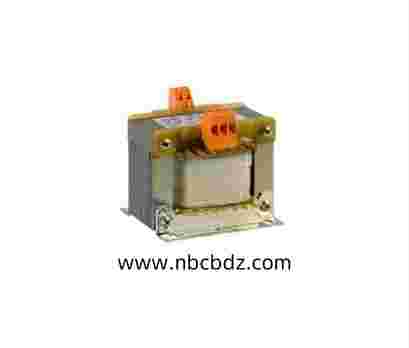
The shape of an electrical component can influence how it fits into equipment, but its internal construction determines how it performs its intended function. When evaluating a Square Transformer Factory, buyers should consider the relationship between the magnetic core, winding arrangement, insulation system, and external structure. These elements affect electrical suitability, assembly convenience, and compatibility with surrounding components. A careful assessment helps engineers and purchasing teams select transformers according to the requirements of their equipment rather than relying on appearance alone.
Core construction is one of the main considerations in transformer design. The magnetic core provides a path for flux generated by the primary winding, allowing energy to transfer to the secondary winding through electromagnetic induction. Depending on the intended application, manufacturers may use laminated electrical steel or other suitable magnetic materials. The core's material characteristics, surface condition, and assembly quality influence its behavior during operation. Its geometry also affects the arrangement of the windings and the overall shape of the component. A square exterior does not necessarily indicate a particular internal core design, so buyers should review the product's construction and application information.
Winding materials and insulation must be selected as part of the same design process. Copper is commonly used for transformer windings because of its electrical conductivity, while the conductor arrangement depends on the intended circuit function. The primary and secondary windings need to be positioned appropriately around the core, with insulation separating conductive sections where required. Insulating materials must suit the expected electrical and environmental conditions. Supporting structures and protective coverings help maintain the assembly during handling and installation. These elements work together, meaning that material suitability should be evaluated across the complete transformer rather than through a single component.
When choosing a square transformer, buyers should begin with the equipment in which it will be installed. The intended electrical function, circuit requirements, connection method, available mounting space, and surrounding operating environment all affect product suitability. Equipment manufacturers may also need to consider how the transformer fits alongside circuit boards, protective devices, connectors, or other internal components. For replacement projects, reviewing existing documentation and confirming the original component's role can reduce selection errors. For new designs, sharing mechanical drawings and electrical requirements with a supplier helps establish whether a standard product can be integrated effectively.
Transformer operation relies on electromagnetic induction. Alternating current flowing through the primary winding creates a changing magnetic field in the core, inducing voltage in the secondary winding. The transformer's construction supports this transfer of energy between circuits according to the intended design. In a finished device, its behavior also depends on the connected circuit and installation conditions. Poorly planned wiring, unsuitable loading, restricted ventilation, or inadequate mounting can affect the performance of the overall equipment. Engineers should therefore evaluate the transformer as part of a complete electrical system instead of treating it as an isolated component.
Manufacturing methods help translate the design into a consistent finished product. Core components must be prepared and assembled carefully, windings need to be positioned securely, and insulation must remain intact throughout production. Connection terminals and supporting structures also require attention because they affect installation and electrical integration. Depending on the product and the manufacturer's quality procedures, inspections may cover assembly workmanship, winding connections, insulation condition, and relevant electrical characteristics. Buyers can ask suppliers how these checks are performed and how product consistency is monitored. Clear inspection practices provide useful information when comparing potential manufacturing partners.
Ease of installation is an important part of the user experience, particularly for equipment builders working with limited internal space. A square form may suit particular layouts, but its usefulness depends on mounting features, terminal access, clearance, and the arrangement of neighboring components. Clearly identified connections can help technicians follow installation documentation, while accessible mounting points can simplify assembly. During servicing, readable labels and consistent product identification make it easier to confirm the correct component. Designers should also consider ventilation and safe access so that the transformer's placement supports inspection and maintenance without obstructing other equipment.
Appearance and physical organization contribute to the integration of a transformer into a finished product. A cleanly assembled exterior, orderly winding structure, well-positioned terminals, and suitable protective components can support a professional manufacturing standard. Consistency in physical form may also help production teams handle repeat assemblies more efficiently. However, a neat appearance does not by itself establish electrical performance or safety. Buyers should give appropriate attention to material selection, insulation design, manufacturing controls, and compatibility with the intended circuit. A successful design balances physical organization with functional requirements and practical servicing needs.
Ningbo Chuangbiao Electronic Technology Co., Ltd. supplies transformer-related products for electrical and electronic equipment applications. Businesses exploring square transformer options can discuss their circuit functions, installation layouts, connection preferences, and quality requirements with the company. Providing clear application details helps both parties assess product suitability and coordinate component selection with the wider equipment design. Further information about the company's transformer products is available at https://www.nbcbdz.com/product/.

 English
 Arabic
 French
 Spanish
 Portuguese
 Deutsch
 Turkish
 Italiano
 Russian
 Romaian
 Portuguese (Brazil)
 Greek