


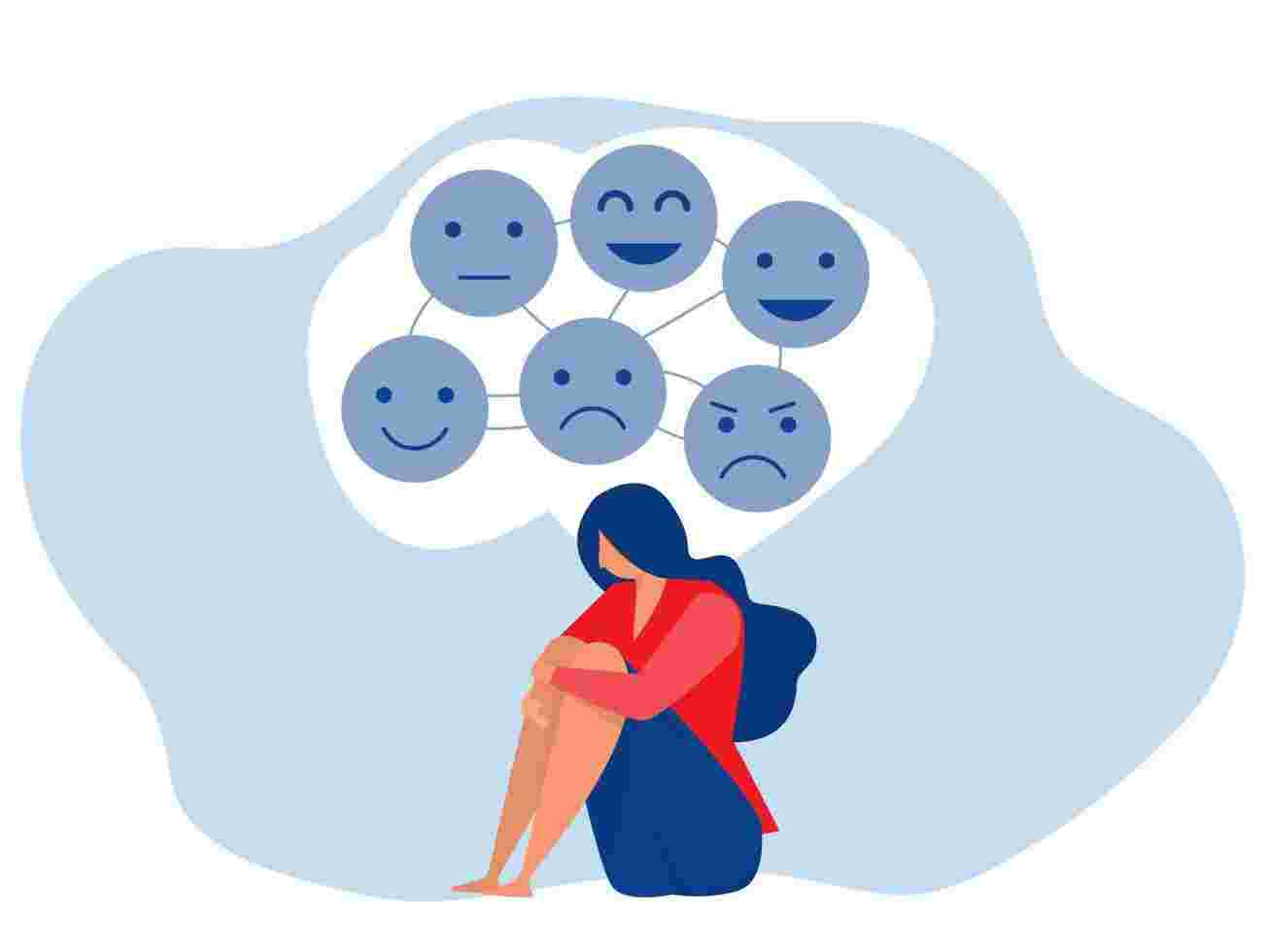
Not every mental health struggle looks like sadness, crying, or obvious emotional distress. Sometimes, it appears as constant irritability, unexplained fatigue, difficulty concentrating, or a growing desire to withdraw from people who once brought happiness. These subtle changes can be easy to overlook, especially when daily responsibilities leave little time to reflect on emotional well-being.
Mood disorders can affect how people think, feel, behave, and interact with others. Recognizing the hidden symptoms of mood disorders is an important step toward understanding emotional changes and seeking appropriate support. Although occasional mood changes are a normal part of life, persistent symptoms that interfere with relationships, work, sleep, or everyday activities deserve attention.
Sometimes, the hardest struggles to recognize are the ones that happen quietly behind a familiar smile.
1. Behavioral Symptoms of Mood Disorders
Mood disorders can influence behavior in ways that friends, family members, and even affected individuals may not immediately recognize. Someone who once enjoyed social gatherings may begin avoiding invitations, while another person may become unusually restless, impatient, or argumentative.
Common behavioral symptoms of mood disorders include changes in sleeping habits, reduced interest in hobbies, social withdrawal, difficulty completing everyday tasks, and noticeable changes in activity levels. Some individuals may also engage in impulsive spending, make unusually risky decisions, or struggle to maintain regular routines.
These behaviors do not automatically indicate a mood disorder. Stress, physical health conditions, medications, and other circumstances can produce similar changes. However, when unusual behaviors persist or represent a significant departure from someone's typical personality, further evaluation may be helpful.
When familiar habits suddenly change, there may be more happening beneath the surface than meets the eye.
Paying attention to patterns, duration, and the effect on daily functioning can help clarify whether professional mental health support is needed.
2. Silent Symptoms of Depression
Depression does not always appear as visible sadness. Some people continue working, caring for family members, and meeting responsibilities while privately experiencing emotional exhaustion, emptiness, or a loss of purpose.
These silent symptoms of depression can include difficulty making decisions, persistent self-criticism, reduced motivation, feelings of worthlessness, and losing interest in activities that once felt rewarding. Others may experience increased irritability rather than sadness or find themselves emotionally numb.
Sleep changes and physical fatigue can also make everyday tasks feel unusually demanding. A person might appear productive on the outside while struggling to complete even basic responsibilities internally.
Just because someone keeps showing up every day does not mean the day feels easy to get through.
Depression symptoms that persist for at least two weeks, particularly when accompanied by distress or impaired functioning, warrant professional assessment. Early recognition can help individuals access appropriate treatment and avoid dismissing persistent emotional difficulties as laziness or a lack of motivation.
3. Emotional Symptoms of Mood Disorders
Emotions provide valuable information about personal experiences, relationships, and stress. However, when emotional responses become persistent, unusually intense, or difficult to manage, they may signal an underlying mental health concern.
Emotional symptoms of mood disorders can include ongoing sadness, heightened irritability, hopelessness, emotional numbness, excessive guilt, and difficulty experiencing pleasure. Some individuals may feel overwhelmed by minor setbacks, while others struggle to identify or express what they are feeling.
The intensity and duration of these experiences matter. Everyone experiences difficult emotions, but mood disorders typically involve symptoms that persist, recur, or significantly interfere with daily life.
Keeping track of emotional patterns, sleep, stress levels, and changes in energy can help identify concerns worth discussing with a qualified mental health professional.
Feeling different from your usual self can be unsettling, but it is also a reason to pause and pay attention to your well-being.
Recognizing emotional changes is not about labeling every difficult day as a disorder. It is about understanding when additional support may be beneficial.
4. Signs of Bipolar Mood Swings
Bipolar disorder involves episodes of depression and episodes of mania or hypomania. These changes extend beyond ordinary mood fluctuations and may affect energy, sleep, judgment, activity levels, and daily functioning.
Signs of bipolar mood swings may include periods of unusually elevated or irritable mood, increased energy, reduced need for sleep, racing thoughts, rapid speech, inflated confidence, and impulsive decisions. Depressive episodes may involve persistent sadness, low energy, hopelessness, or loss of interest in usual activities.
Not everyone experiences bipolar disorder in the same way, and symptoms vary in severity and duration. A period of happiness or a bad day alone does not establish a diagnosis. Professional assessment is important because bipolar disorder can overlap with other mental health conditions.
When energy, sleep, and mood shift dramatically, understanding the pattern matters more than judging the experience.
Recognizing possible symptoms early can help individuals obtain an appropriate evaluation and develop a treatment plan tailored to their needs.
5. Understanding Anxiety and Mood Disorders
Anxiety and mood disorders can occur together, creating overlapping emotional and physical symptoms. Persistent worry may contribute to sleep disturbances, irritability, difficulty concentrating, and emotional exhaustion. Depression may also increase anxiety, making everyday challenges feel more difficult to manage.
Someone experiencing both conditions might worry constantly about future problems while feeling too depleted to address current responsibilities. This combination can affect relationships, work performance, and confidence.
Although anxiety disorders and mood disorders are distinct categories, they can influence each other. A comprehensive mental health assessment can help distinguish symptoms, identify co-occurring conditions, and guide appropriate treatment.
Living in a constant state of worry while feeling emotionally drained can be exhausting, especially when the cause is difficult to explain.
Therapy, medication when appropriate, consistent sleep routines, physical activity, and stress-management strategies may support recovery. Treatment recommendations should reflect the individual's symptoms, medical history, and personal circumstances.
6. Headaches Caused by Stress and Depression
Emotional distress does not always remain emotional. Stress and depression can coincide with physical symptoms, including headaches, muscle tension, fatigue, and disrupted sleep.
Headaches caused by stress and depression may be associated with tension, changes in sleep patterns, increased muscle tightness, or other factors linked to emotional strain. Depression and anxiety can also coexist with headache disorders, sometimes making symptoms harder to manage.
However, headaches have many possible causes and should not automatically be attributed to mental health. Persistent, recurring, or worsening headaches deserve medical evaluation, particularly when they interfere with daily activities.
Sudden, severe headaches or headaches accompanied by weakness, confusion, fainting, fever with a stiff neck, or new neurological symptoms require urgent medical attention.
Physical discomfort can be another signal that something needs attention, but understanding its cause is essential.
Addressing emotional stress alongside appropriate medical care may help individuals manage symptoms more effectively and improve overall well-being.
7. When Should You Seek Professional Support?
Recognizing hidden symptoms is only the beginning. The next step is understanding when professional guidance could make a difference. Persistent mood changes, disrupted sleep, withdrawal from loved ones, unusual energy shifts, or declining daily functioning should not be ignored.
Keeping a simple record of symptoms, their duration, sleep patterns, and possible triggers can help prepare for a mental health appointment. A qualified professional can assess these experiences, consider other possible causes, and recommend appropriate care.
If symptoms include thoughts of suicide or self-harm, immediate support is important. In the United States, calling or texting 988 connects individuals with the Suicide and Crisis Lifeline. For immediate danger, call 911.
Seeking help is not a sign of weakness; it is a meaningful step toward understanding what is happening and finding a path forward.
Take the First Step Toward Better Mental Health
Hidden mood disorder symptoms can affect emotional well-being, physical comfort, relationships, and everyday responsibilities. Recognizing changes in behavior, energy, sleep, and emotional patterns can help individuals seek support before difficulties become more disruptive. For professional guidance and personalized mental health care, contact Orange Coast Psychiatry to explore appropriate treatment options and take a proactive step toward greater emotional stability, improved daily functioning, and lasting well-being.

 Arabic
 French
 Spanish
 Portuguese
 Deutsch
 Turkish
 Dutch
 Italiano
 Russian
 Romaian
 Portuguese (Brazil)
 Greek