


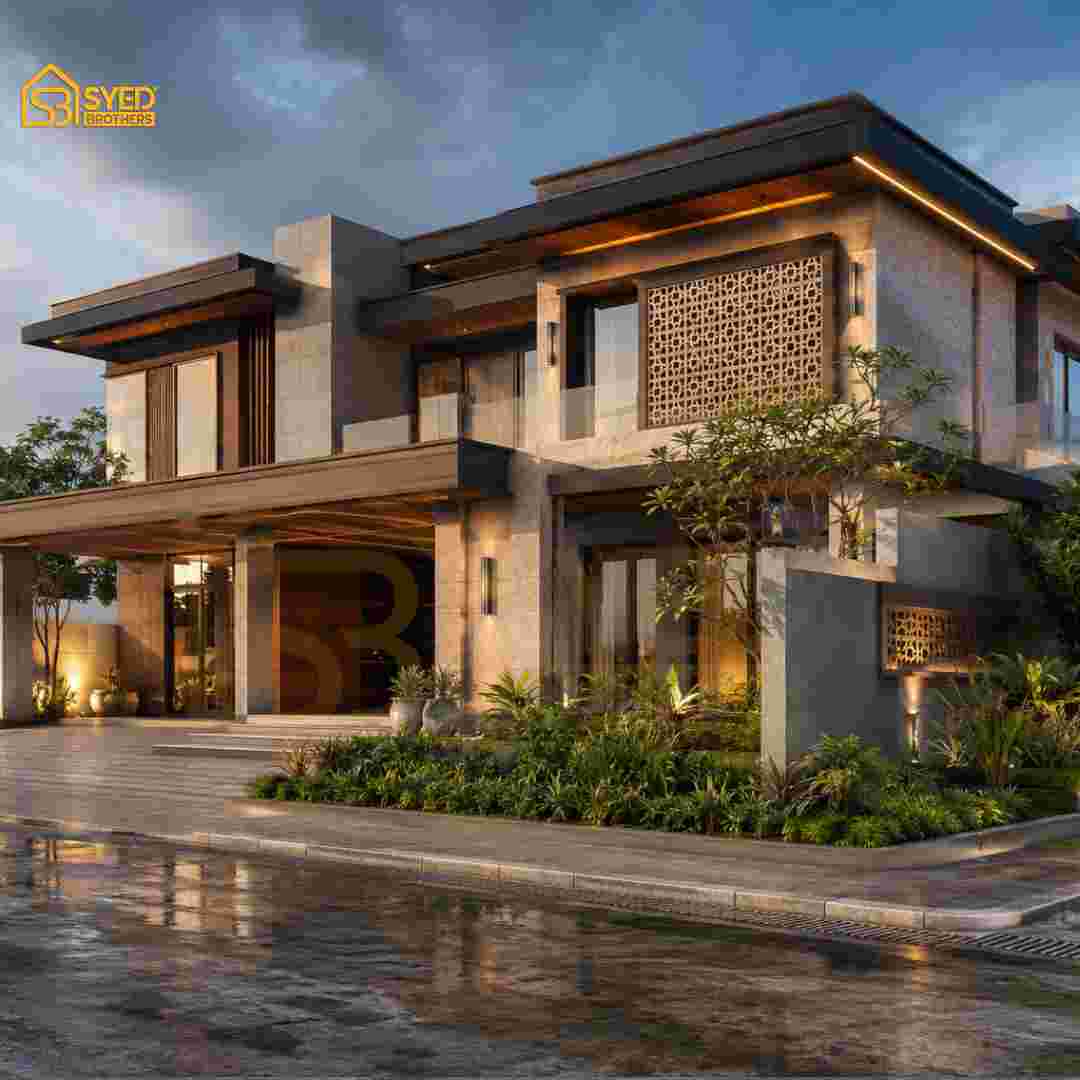
Designing a beautiful house exterior requires more than choosing attractive colors and modern architectural features. In Pakistan, outdoor temperatures, intense sunlight, seasonal rainfall, dust, and humidity can influence how well exterior materials perform over time.
A design that looks impressive in a 3D rendering may become difficult to maintain if its materials are unsuitable for the local climate. Paint can fade, metal elements can corrode, and poorly planned drainage can cause water damage during heavy rainfall.
Climate-smart exterior design combines architectural aesthetics with practical decisions about materials, shading, ventilation, drainage, and maintenance. Whether you are building a new house or renovating an existing property, these considerations can help you create an exterior that remains attractive and functional for years.
What Is Climate-Smart Exterior Design?
Climate-smart exterior design means planning a building's outer appearance and surrounding spaces according to local environmental conditions.
It considers how sunlight, heat, rain, wind, and moisture affect the building envelope and outdoor areas. The objective is to create a visually appealing property while reducing avoidable maintenance problems and improving outdoor comfort.
In Pakistan, exterior design requirements can vary significantly between cities. Lahore experiences hot summers and seasonal monsoon rainfall, Karachi has coastal humidity and salt exposure in some locations, and Islamabad experiences different rainfall and seasonal temperature patterns.
A successful design responds to these local conditions rather than relying on a single approach for every property.
1. Choose Exterior Materials That Suit the Local Climate
Material selection plays a major role in the durability and appearance of a home's exterior.
Exterior Paint and Protective Coatings
Exterior paint is one of the most accessible ways to improve a property's appearance. However, not every paint product is suitable for prolonged outdoor exposure.
When selecting paint, consider products designed for exterior use, their resistance to ultraviolet exposure, moisture performance, and compatibility with the existing surface.
Before repainting, address cracks, dampness, loose plaster, and other underlying problems. Applying a fresh coating over a damaged surface may conceal the issue temporarily without resolving its cause.
Choose a finish and maintenance schedule appropriate for the building's exposure and the manufacturer's recommendations.
Stone and Textured Finishes
Stone cladding, textured finishes, and decorative panels can add depth and visual interest to modern house exteriors.
These materials can create contrast around entrances, boundary walls, columns, and selected facade sections. However, their performance depends on correct installation, suitable fixings, water management, and compatibility with the supporting wall.
Using too many finishes can also make a facade appear visually crowded. A restrained material palette often produces a more balanced result.
Tiles and Exterior Cladding
Exterior tiles and cladding can create contemporary architectural features while offering different textures and color options.
Before selecting a product, verify that it is suitable for the intended exterior application. Consider water absorption, thermal movement, slip resistance for walking surfaces, fixing systems, and maintenance requirements.
Professional installation is especially important where materials are exposed to direct sunlight or heavy rainfall.
Metal and Glass Features
Metal gates, railings, canopies, and glass elements can contribute to a modern exterior.
In areas with significant humidity or coastal exposure, the choice of metal, protective coating, fasteners, and maintenance routine becomes particularly important.
Large glass surfaces also require consideration of solar heat gain, glare, privacy, and energy performance. Appropriate glazing and shading can help balance appearance with indoor comfort.
2. Select Exterior Colors That Work in Sunlight
Color influences the visual character of a property and can affect how much solar energy exterior surfaces absorb.
Light and Neutral Color Palettes
Cream, beige, warm white, light grey, and other neutral shades are popular choices for residential exteriors.
Lighter surfaces generally absorb less solar radiation than darker surfaces under comparable conditions. However, the overall thermal performance of a building also depends on insulation, wall construction, orientation, windows, and shading.
Neutral colors can work particularly well when combined with carefully selected accent materials.
Use Dark Colors Strategically
Charcoal, deep brown, black, and other dark tones can create striking architectural contrasts.
Instead of covering every exterior surface with a dark finish, consider using darker colors around entrance frames, boundary walls, selected facade panels, or window surrounds.
This approach can preserve visual impact while limiting the amount of dark exterior surface exposed to direct sunlight.
Coordinate Colors With the Surroundings
The exterior should complement neighboring buildings, landscaping, gates, and boundary walls.
A useful approach is to choose one dominant color, one supporting material or shade, and a limited accent color. This creates a consistent visual identity without introducing unnecessary complexity.
Always review paint samples under natural daylight before making a final decision because outdoor lighting can change how colors appear.
3. Design Shading Features for Better Outdoor Comfort
Shading is an important part of climate-responsive architecture, especially in regions with hot summers.
Roof Overhangs and Canopies
Suitable roof overhangs and entrance canopies can reduce direct sunlight on selected windows and exterior walls.
Their effectiveness depends on building orientation, window placement, sun angles, and the geometry of the structure. Shading should be designed according to the actual site rather than applied as a purely decorative feature.
Pergolas and Covered Seating Areas
Pergolas can create comfortable outdoor spaces while adding architectural interest.
Depending on their orientation and design, they can support climbing plants, filtered sunlight, or partial protection from rain. Materials should be selected for their exposure, structural requirements, and maintenance needs.
Window Shading
External shading devices, appropriately designed balconies, and recessed windows can help control direct solar exposure.
For rooms that receive strong afternoon sunlight, shading may be particularly valuable. The design should also consider daylight, privacy, ventilation, and the architectural character of the facade.
4. Plan Drainage Before Finalizing Exterior Finishes
Drainage is often overlooked when homeowners focus on decorative exterior features.
During heavy rainfall, poorly planned slopes and blocked drainage routes can cause water to accumulate around entrances, garden areas, and building foundations.
A climate-smart exterior plan should address:
-
Ground levels and surface gradients around the building
-
Roof drainage and downpipe locations
-
Suitable discharge points for rainwater
-
Waterproofing at vulnerable junctions
-
Drainage around patios and paved walkways
-
Maintenance access for drains and rainwater outlets
Drainage arrangements should comply with applicable building requirements and site conditions. Water should be directed away from the building without creating problems for neighboring properties or public pathways.
Addressing drainage during the design stage is generally more practical than correcting water-related problems after exterior finishes have been installed.
5. Use Landscaping to Improve the Exterior Environment
Landscaping can soften architectural lines and improve the appearance of outdoor spaces.
Trees, shrubs, lawns, and planters introduce natural textures that complement stone, concrete, paint, and other building materials.
However, plant selection should reflect local rainfall, sunlight, soil conditions, water availability, and maintenance requirements.
Choose Plants According to Local Conditions
A plant that thrives in one city may require additional care in another.
Before selecting species, consider whether the garden receives full sunlight or shade, whether the soil drains properly, and how much irrigation the owner can provide.
Locally suitable and drought-tolerant plants may reduce ongoing water requirements when selected and maintained appropriately.
Plan Trees Carefully
Trees can provide shade and visual privacy, but their mature size and root systems must be considered before planting.
Avoid placing large trees too close to foundations, boundary walls, underground services, or drainage lines without appropriate professional guidance.
Combine Greenery With Hardscaping
Paved paths, stepping stones, seating areas, and planting beds can create a balanced outdoor layout.
The proportions should reflect the available space and intended use. Excessive paving may increase surface heat, while poorly planned planting can obstruct access and create maintenance challenges.
6. Consider Long-Term Maintenance During Design
A practical exterior should remain manageable after construction is complete.
Before approving a design, consider how frequently different surfaces need cleaning, whether materials require periodic sealing, and how easily exterior lights, drainage outlets, and other components can be accessed.
A complicated facade with many decorative elements may require more maintenance than a simpler design using durable, compatible materials.
Homeowners should compare the initial price of materials with their expected service life, maintenance requirements, and replacement costs.
The least expensive option at installation is not necessarily the most economical over the long term.
7. Why 3D Exterior Design Helps Before Construction
Three-dimensional visualization allows homeowners to evaluate the appearance of a proposed exterior before construction or renovation begins.
A 3D model can help compare color combinations, facade materials, window proportions, boundary walls, outdoor lighting, and landscaping arrangements.
It also makes it easier to identify visual inconsistencies before materials are purchased.
However, a realistic rendering does not replace technical drawings, structural review, waterproofing details, or construction documentation. These elements are necessary to translate the concept into a practical building design.
Why Work With Professional Exterior Designers?
Professional exterior designers consider more than appearance. They coordinate the facade, material selection, outdoor layout, lighting, drainage, and landscaping according to the project's requirements.
Syed Brothers provides exterior and landscape design services for residential and commercial properties, including facade planning, material selection, and outdoor space design.
If you are planning a new home or upgrading an existing property, explore Syed Brothers Exterior Design Services to learn how a coordinated exterior design can support your project's aesthetic and practical requirements.
Conclusion
Climate-smart exterior design in Pakistan requires a balance between visual appeal, material durability, and local environmental conditions.
Choosing suitable exterior finishes, planning effective shading, managing rainwater, and selecting appropriate landscaping can help create a more functional and maintainable property.
The best results come from considering these factors early, before construction or renovation decisions become expensive to change.
By combining thoughtful architectural design with climate-aware material selection, homeowners can create exteriors that look attractive and respond more effectively to their local conditions.

 English
 Arabic
 Spanish
 Portuguese
 Deutsch
 Turkish
 Dutch
 Italiano
 Russian
 Romaian
 Portuguese (Brazil)
 Greek