


Property development often begins long before buildings are constructed. Preparing vacant land, improving access routes, clearing unwanted vegetation, and organizing construction materials are important steps in making a site ready for future use. These activities require careful planning and efficient transportation of bulk materials.
For contractors and property developers, selecting suitable hauling equipment can help simplify site preparation and keep projects organized.
Preparing Vacant Land for Development
Undeveloped properties may contain uneven ground, accumulated vegetation, loose soil, and remnants of old structures. Before construction begins, contractors may need to clear suitable debris, transport materials, and prepare designated areas for further work.
An organized site assessment helps determine which materials need to be removed and which can be reused appropriately. Contractors should also identify access routes, storage areas, and locations where loading equipment can operate safely.
Environmental restrictions, underground utilities, and existing drainage features should be considered before disturbing the ground.
Transporting Materials During Land Improvement
Land improvement projects frequently involve moving gravel, soil, landscaping materials, and compatible construction debris. These materials may need to travel between storage areas, access roads, and different sections of the property.
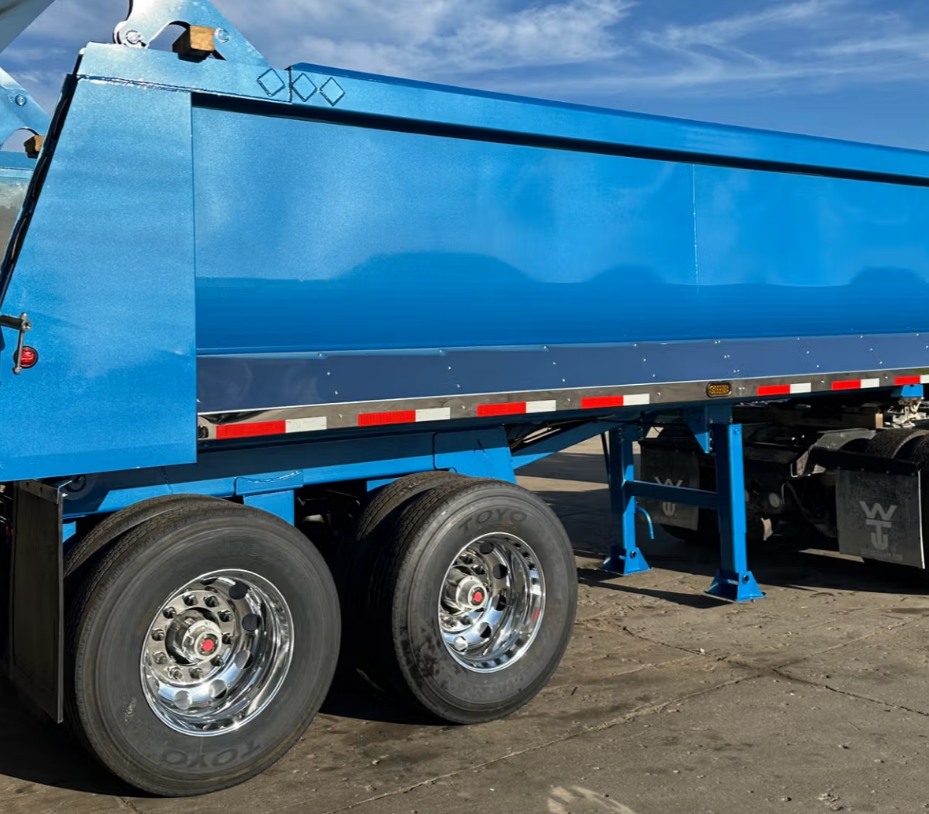
When comparing dump trailers for land development, contractors should consider payload capacity, trailer dimensions, dumping capability, and compatibility with their towing vehicles. The equipment must also suit the terrain and the types of materials involved.
A trailer designed for loose aggregate may not be appropriate for oversized construction debris or materials requiring specialized handling. Choosing equipment according to the actual workload can help prevent unnecessary trips and improve transportation planning.
Improving Access Roads and Parking Areas
Vacant land and developing properties often require temporary or permanent access improvements. Gravel may be needed to improve selected road surfaces, establish parking areas, or support access to work zones.
Before transporting materials, contractors should assess ground stability, slopes, turning space, and drainage conditions. Heavy vehicles can damage soft ground, particularly after rainfall, so routes should be selected according to the site's condition and equipment limitations.
Proper planning can help materials reach their intended locations while reducing disturbance to surrounding areas.
Organizing Materials and Removing Debris
Land development can generate branches, timber offcuts, broken non-hazardous materials, and waste from preliminary construction activities. Without designated collection areas, debris can obstruct vehicle routes and complicate later stages of the project.
Contractors can establish separate collection points for reusable materials, recyclable items, and general waste. Suitable hauling equipment can then move compatible loads to authorized storage, recycling, or disposal facilities.
Materials that may contain hazardous substances or require specialist treatment should be assessed and handled separately according to applicable regulations.
Managing Equipment and Project Costs
Transportation expenses can increase when equipment is poorly matched to the job or material deliveries are not coordinated. Developers should estimate material quantities, hauling distances, equipment requirements, and disposal costs before work begins.
Loads must remain within the trailer's rated capacity, and the towing vehicle must be suitable for the combined weight. Regular equipment inspections and preventive maintenance can also help reduce avoidable interruptions.
Coordinating deliveries with excavation and grading schedules may further improve workflow by reducing congestion and unnecessary handling.
Conclusion
Successful land development depends on effective site preparation, organized material transportation, and careful management of operating costs. From improving access roads to removing compatible debris, the right hauling approach can help contractors prepare properties for their next stage of development.
By assessing site conditions, choosing suitable equipment, and planning material movements in advance, property developers can support more efficient and orderly project operations.

 Arabic
 French
 Spanish
 Portuguese
 Deutsch
 Turkish
 Dutch
 Italiano
 Russian
 Romaian
 Portuguese (Brazil)
 Greek