


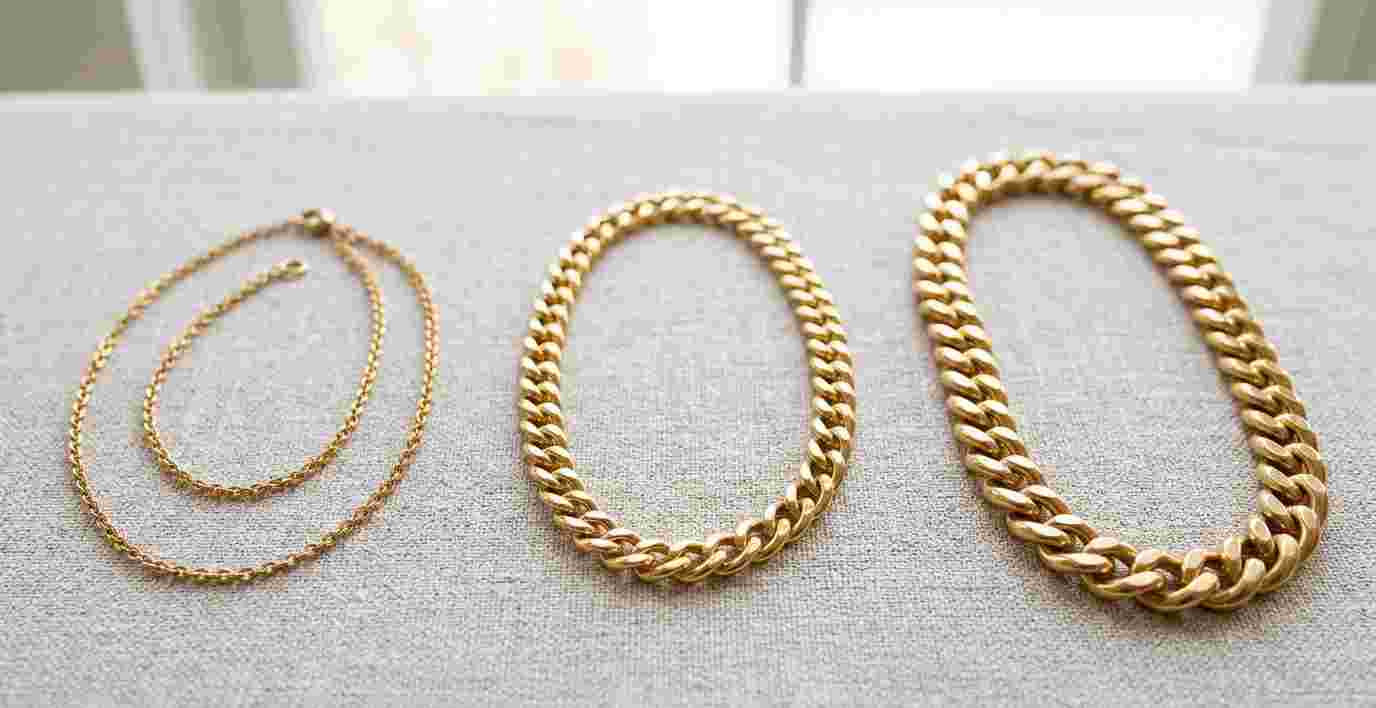
Not all gold-colored jewelry contains the same amount of actual gold. Gold-plated, gold-filled, and solid gold pieces may look similar, but they differ in construction, durability, and precious-metal content. Understanding these differences is important if you are buying jewelry or considering selling items you already own. Little Rock Gold & Silver Buyer can be a local starting point when exploring precious-metal evaluations. Whether you are researching littlerockgoldandsilverbuyer.com or looking for Little Rock Gold and Silver Buyer Arkansas, learning how these three jewelry types compare can help you understand what you own and make informed decisions.
Table of Contents
-
What Is Gold-Plated Jewelry?
-
What Is Gold-Filled Jewelry?
-
What Is Solid Gold Jewelry?
-
Key Differences Between the Three Types
-
How Can You Identify Your Jewelry?
-
Does Each Type Have Resale Value?
-
Frequently Asked Questions
-
Call to Action
1. What Is Gold-Plated Jewelry?
Gold-plated jewelry is made from a base metal, such as copper, brass, or stainless steel, with a thin layer of gold applied to its surface.
Because the gold layer is very thin, it can gradually wear away through regular use, friction, and exposure to certain chemicals. The underlying metal may eventually become visible.
Gold-plated jewelry is often more affordable than solid gold because it contains only a small amount of gold. Its value is generally based more on its design, brand, and condition than on its precious-metal content.
2. What Is Gold-Filled Jewelry?
Gold-filled jewelry contains a thicker layer of gold mechanically bonded to a base metal. In the United States, an item marked as gold-filled generally contains at least 1/20 gold by weight of the total metal content.
The thicker gold layer makes gold-filled jewelry more durable than typical gold-plated pieces. With proper care, it can maintain its appearance for a long time.
However, gold-filled jewelry is not solid gold. Its base metal still makes up most of the item's weight, so buyers must distinguish the gold layer from the underlying material when evaluating it.
3. What Is Solid Gold Jewelry?
Solid gold jewelry is made from a gold alloy throughout the piece rather than having only a surface coating.
It is available in different purity levels, commonly including:
-
10K gold: Approximately 41.7% pure gold
-
14K gold: Approximately 58.3% pure gold
-
18K gold: Approximately 75% pure gold
-
24K gold: Approximately 99.9% pure gold
Higher-karat gold contains a greater proportion of pure gold. However, lower-karat alloys may offer greater hardness for everyday jewelry, depending on their composition.
Solid gold generally has more precious-metal value than gold-plated or gold-filled jewelry of a similar size.
4. Key Differences Between the Three Types
| Feature | Gold-Plated | Gold-Filled | Solid Gold |
|---|---|---|---|
| Gold content | Very thin surface layer | Thicker bonded gold layer | Gold throughout |
| Base metal | Usually present | Usually present | No separate base-metal core |
| Durability | Lower | Generally higher | Depends on karat and alloy |
| Precious-metal content | Very low | Higher than plated | Depends on purity and weight |
| Typical cost | Lower | Moderate | Higher |
These differences matter when purchasing jewelry and when asking a buyer to evaluate an item.
5. How Can You Identify Your Jewelry?
Start by checking for markings or stamps. Common examples include:
-
10K, 14K, or 18K: Common solid-gold purity markings.
-
GP: Often indicates gold-plated.
-
GF: Often indicates gold-filled.
-
1/20 14K GF: Indicates gold-filled construction with a specified gold content.
Markings can provide useful clues, but they are not always conclusive. Older, damaged, or altered jewelry may have unclear markings. Professional testing can help verify the material and purity.
6. Does Each Type Have Resale Value?
Solid gold jewelry generally has precious-metal value based on its purity, weight, and current gold market price. Designer details, gemstones, and collectible appeal may add value in some cases.
Gold-filled jewelry contains actual gold, but its value is not calculated in the same way as solid gold. Gold-plated pieces contain only a small surface layer, so they generally have limited value based on gold content.
Before selling, ask the buyer to identify the jewelry type and explain how its value is calculated. This helps avoid confusion about what your item contains.
7. Frequently Asked Questions
Is gold-filled jewelry real gold?
Yes. It has a genuine gold layer bonded to a base metal, but it is not solid gold.
Is gold-plated jewelry worth anything?
It may have value because of its design, brand, condition, or other materials, but its gold content is usually very limited.
Does solid gold mean 24K gold?
No. Solid gold jewelry can be made in different karat levels, including 10K, 14K, and 18K.
Can gold-filled jewelry be sold?
Some buyers may evaluate gold-filled items, but offers depend on their construction, gold content, and the buyer's purchasing policies.
How can I know whether my jewelry is solid gold?
Check its markings and have it assessed by a qualified professional. Testing can help confirm its metal composition and purity.
8. Call to Action
Knowing the difference between gold-plated, gold-filled, and solid gold jewelry can help you understand what you own before buying or selling. Remember that appearance alone cannot confirm gold content, so checking markings and getting a professional evaluation are useful steps.
If you are exploring precious-metal selling options, Little Rock Gold & Silver Buyer can be a local starting point. Visit littlerockgoldandsilverbuyer.com to learn more about the business. Whether you are researching Little Rock Gold and Silver Buyer Arkansas or considering selling old jewelry, ask about its material, purity, and potential value before accepting an offer.

 English
 Arabic
 French
 Spanish
 Portuguese
 Turkish
 Dutch
 Italiano
 Russian
 Romaian
 Portuguese (Brazil)
 Greek