


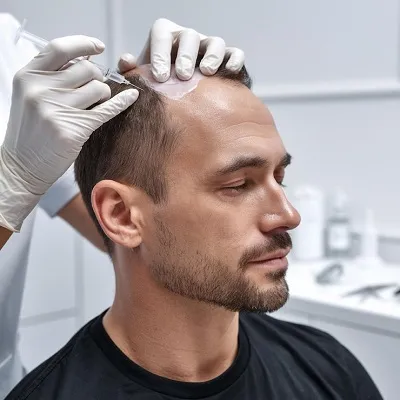
Scalp Micropigmentation is a popular non-surgical cosmetic treatment designed to create the appearance of thicker hair or a closely shaved hairstyle. After the procedure, your scalp needs some time to recover and allow the pigment to settle into the skin. SMP Scalp Micro Pigmentation in Dubai is becoming an increasingly popular choice for people experiencing hair thinning, baldness, receding hairlines, and other hair loss concerns. Understanding what happens during the first week after treatment can help you prepare for the healing process and achieve natural-looking results.The first seven days after SMP are important because your scalp goes through several natural healing stages. You may notice mild redness, dryness, flaking, and changes in pigment appearance. These reactions are generally part of the normal recovery process, although individual experiences can vary depending on skin type, sensitivity, and treatment technique. Following your practitioner's aftercare instructions is essential for protecting your results.
What Happens Immediately After SMP Treatment?
Immediately after your Scalp Micropigmentation session, your scalp may appear slightly red or irritated. This happens because the treatment involves depositing tiny pigment impressions into the upper layers of the skin using specialized equipment. Your skin needs time to recover from these small punctures.Some people experience mild tenderness, sensitivity, or a warm sensation around the treated area. These effects are usually temporary and gradually improve as the skin begins healing. You may also notice that the pigment looks darker and more noticeable immediately after the procedure. This is normal because the skin has not yet completed its healing process.Your practitioner may recommend avoiding unnecessary touching, scratching, or rubbing of the treated scalp. Keeping your hands away from the area helps reduce the risk of irritation and contamination during the initial recovery period.
Day One: Redness and Initial Skin Sensitivity
During the first day after SMP treatment, your scalp may show mild redness and sensitivity. The treated area can feel slightly tight or uncomfortable, particularly if you have sensitive skin. These reactions are part of the body's natural response to the treatment.The pigment impressions may appear darker than the final expected result. You should not judge the outcome based on how your scalp looks immediately after the session. As the skin heals, the appearance of the pigment will gradually change.It is important to follow the specific instructions provided by your SMP specialist. Avoid touching the treated area unnecessarily, and do not apply random creams, oils, or hair products without professional guidance. Your practitioner will explain when you can safely resume your normal scalp care routine.
Day Two: The Healing Process Begins
By the second day, some people notice that the redness has started to decrease. The scalp may still feel sensitive, but the initial irritation often becomes less noticeable. Your skin is beginning its natural recovery process, and the tiny treatment areas are gradually settling.You may experience slight dryness or tightness around the treated areas. This can happen as the skin begins to recover. Avoid scratching or rubbing your scalp, even if you experience mild itching.Dubai's warm weather can make scalp care particularly important. Excessive sweating, direct sunlight, and outdoor activities may cause additional irritation during the early healing period. Try to stay in a comfortable environment and avoid activities that cause excessive sweating until your practitioner confirms that they are safe.
Day Three: Mild Dryness and Pigment Changes
The third day after Scalp Micropigmentation may bring noticeable changes in the appearance and texture of your scalp. Some individuals experience mild dryness, while others begin to notice tiny flakes forming around the treated areas.This is generally associated with the natural skin recovery process. The pigment may also appear slightly different compared with the first day. It can seem lighter or less intense as the skin heals and its surface condition changes.Do not attempt to remove dry skin or flakes by scratching, peeling, or scrubbing. Allow the skin to recover naturally. Removing flakes forcefully can irritate the scalp and potentially interfere with the healing process.Following your specialist's instructions about washing and moisturizing is important. Different SMP practitioners may recommend different aftercare routines depending on the treatment and your skin condition.
Day Four: Skin Recovery and Reduced Redness
By the fourth day, many people notice that the scalp looks calmer and the initial redness has reduced significantly. The treated area may begin to feel more comfortable, although some dryness or minor flaking can remain.The pigment impressions may appear less prominent than they did immediately after the procedure. This is an expected part of the healing process because the skin's surface is recovering and the pigment appearance is changing.At this stage, patience is important. Avoid comparing your scalp with someone else's SMP results because every individual has a different healing process. Skin sensitivity, scalp condition, pigment selection, and treatment technique can all influence the final appearance.Continue protecting your scalp from unnecessary friction and follow your practitioner's advice about washing, exercise, and sun exposure.
Day Five: Flaking and Natural Skin Renewal
Around the fifth day, some clients notice small flakes of dry skin coming away naturally. This is part of the skin's renewal process and does not necessarily mean that the pigment has disappeared.You may notice that certain areas look lighter than others while the scalp is healing. This temporary uneven appearance can be concerning, but it is too early to evaluate the final SMP outcome.Avoid picking at peeling skin or using exfoliating products. Harsh shampoos, chemical treatments, and aggressive scalp scrubbing should also be avoided until your practitioner confirms that your skin has recovered sufficiently.If you experience unusual discomfort, increasing redness, swelling, discharge, or other concerning symptoms, contact your SMP practitioner or a healthcare professional for advice.
Day Six: The Scalp Begins to Look More Settled
By the sixth day, many clients find that their scalp feels more comfortable and the initial sensitivity has decreased. Some dryness may still be present, but the skin is gradually returning to a more normal appearance.The pigment impressions may look softer and more natural compared with the first few days. However, the healing process is not necessarily complete, and the final results cannot be judged accurately yet.Continue following the aftercare routine recommended by your SMP specialist. Avoid exposing your scalp to strong sunlight, excessive sweating, swimming pools, and activities that may irritate the treated skin until you have received clearance.Remember that proper aftercare plays an important role in supporting a smooth recovery and protecting your investment in the treatment.
Day Seven: What Should Your Scalp Look Like After One Week?
By the end of the first week, many people notice a significant improvement in redness and sensitivity. The scalp may look more settled, and most of the initial dryness or flaking may have reduced.The pigment may appear softer, lighter, or less defined than it did immediately after treatment. This is because the skin has undergone its initial healing stages. It does not necessarily represent the final result of your Scalp Micropigmentation procedure.Your practitioner may recommend a follow-up assessment to evaluate the healing process and discuss the next treatment session. Multiple sessions are commonly required to build up the desired density, refine the hairline, and create a balanced appearance..
Important Aftercare Tips During the First Week After SMP
Proper aftercare is essential during the first seven days following Scalp Micropigmentation. Always follow the personalized instructions provided by your practitioner because recommendations can vary depending on your skin type and treatment technique.Avoid scratching, rubbing, or picking the treated scalp. Keep the area protected from unnecessary friction and avoid applying unapproved skincare products. Follow your practitioner's instructions regarding when and how to wash your scalp.
Direct sunlight should be avoided during the initial healing period. This is particularly important in Dubai, where strong sunshine and high temperatures can make outdoor exposure challenging. Once your scalp has healed, your practitioner can advise you about suitable sun protection.You should also avoid swimming, saunas, steam rooms, and strenuous exercise that causes excessive sweating until your practitioner confirms that these activities are safe. Staying hydrated and maintaining good general hygiene can also support your body's natural recovery process.If you experience worsening pain, spreading redness, significant swelling, pus, fever, or other signs of possible infection, seek medical advice rather than assuming these symptoms are normal healing.
When Will You See the Final SMP Results?
The first week is only the beginning of the Scalp Micropigmentation recovery journey. Although your scalp may look considerably better after seven days, the pigment continues to settle as the skin completes its healing process.Most clients require multiple treatment sessions to achieve their preferred appearance. Each session allows the specialist to gradually build pigment density and refine the overall design. The number of sessions depends on factors such as the extent of hair loss, scalp condition, desired hairline, and individual response to treatment.A professional SMP practitioner will assess your scalp and recommend an appropriate treatment schedule. Avoid making decisions about touch-ups or additional pigment based solely on how your scalp looks during the first week.
Why Choose Glamorous Clinic Dubai for SMP Treatment?
Choosing an experienced clinic is an important step when considering Scalp Micropigmentation. At Glamorous Clinic Dubai, clients can explore SMP treatment options designed around their individual hair loss concerns, scalp condition, and desired appearance.A personalized approach is important because every scalp is different. Whether you are experiencing a receding hairline, thinning hair, a bald crown, or extensive hair loss, a professional consultation can help determine whether SMP is an appropriate option for your needs.Understanding the treatment process, expected healing stages, pigment selection, and aftercare requirements before starting is essential. Glamorous Clinic Dubai emphasizes the importance of understanding each stage of the SMP journey so clients can make informed decisions about their treatment.Before booking an appointment, discuss your expectations, previous hair restoration procedures, skin sensitivity, and any concerns with your practitioner. This helps establish a suitable treatment plan and realistic expectations.
Conclusion
The first week after Scalp Micropigmentation is an important stage in the healing process. From initial redness and sensitivity to mild dryness, flaking, and gradual pigment changes, your scalp goes through several natural recovery stages. These changes are generally temporary, and the appearance of your scalp will continue to develop as healing progresses.Following professional aftercare instructions, avoiding unnecessary irritation, and protecting your scalp from excessive sun exposure are essential steps during recovery. Remember that the final appearance of SMP cannot be judged after just seven days, and additional treatment sessions may be needed to achieve your desired look.

 English
 French
 Spanish
 Portuguese
 Deutsch
 Turkish
 Dutch
 Italiano
 Russian
 Romaian
 Portuguese (Brazil)
 Greek