


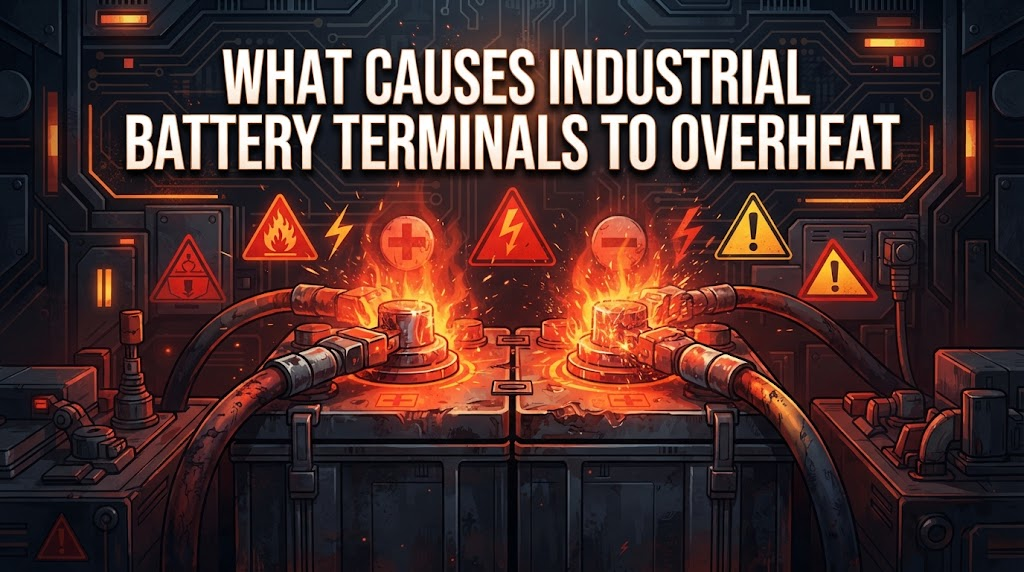
Industrial batteries play an important role in keeping warehouses, manufacturing facilities, forklifts, and other heavy equipment running smoothly. These batteries are designed to handle demanding workloads, but even a small electrical problem can affect their performance. One issue that businesses sometimes overlook is overheating battery terminals. Although the terminals are relatively small components, they have a major influence on how efficiently electrical power moves from the battery to the connected equipment.
When terminals become excessively hot, the problem may indicate loose connections, corrosion, excessive electrical resistance, or other underlying issues. Identifying these problems early is an important part of maintaining equipment reliability. Professional Industrial battery service can help identify the source of unusual heat, prevent further damage, and ensure that battery connections remain safe and dependable. Understanding why overheating happens also allows equipment operators to recognize warning signs before a minor issue develops into an expensive repair.
Why Do Industrial Battery Terminals Overheat?
Battery terminals are connection points where electrical current travels between the battery and the equipment's electrical system. Ideally, these connections should allow electricity to flow with minimal resistance.
However, when a connection becomes damaged, dirty, loose, or improperly installed, electrical resistance can increase. As current passes through a high-resistance connection, heat is generated. The more current flowing through the connection, the greater the potential for overheating.
Industrial equipment often requires substantial electrical power, especially during heavy lifting, acceleration, and continuous operation. As a result, even a relatively small connection problem can create significant heat.
Overheating should never be ignored because prolonged exposure to excessive temperatures can damage terminal hardware, cables, insulation, and even the battery itself.
1. Loose Battery Terminal Connections
One of the most common reasons industrial battery terminals overheat is a loose connection.
Battery terminals must maintain firm contact with their connecting cables. When the connection is not tight enough, the contact area becomes smaller than intended. This creates additional electrical resistance, which generates heat whenever current passes through the connection.
Loose connections can develop for several reasons:
- Regular equipment vibration during operation.
- Improper installation or tightening.
- Changes in temperature that affect connection hardware.
- Wear and deterioration of terminal components.
- Poor maintenance practices.
For example, forklifts operating throughout the day experience repeated movement and vibration. Over time, these conditions may contribute to connection problems if terminals are not inspected regularly.
How to Identify a Loose Connection
Operators may notice several warning signs, including unusual warmth around the battery terminals, intermittent electrical performance, visible discoloration, or melting around cable insulation.
A loose connection should be inspected and corrected using the manufacturer's recommended procedures and torque specifications. Simply tightening a connection without checking for damaged hardware may not solve the underlying problem.
2. Corrosion Around Battery Terminals
Corrosion is another major cause of overheating in industrial battery connections, particularly in traditional lead-acid batteries.
Battery acid, moisture, and environmental contaminants can contribute to corrosion around terminal surfaces. Over time, this buildup creates a barrier between connecting components, interfering with the smooth flow of electrical current.
When electricity encounters this additional resistance, heat can develop around the affected connection.
Corrosion may appear as white, blue, or greenish deposits, depending on the materials and conditions involved.
Why Corrosion Should Not Be Ignored
Even a relatively small amount of corrosion can affect electrical performance. If the buildup continues, it may contribute to:
- Reduced electrical efficiency.
- Increased resistance at connection points.
- Unstable power delivery.
- Damage to battery cables and terminal hardware.
- Premature failure of electrical connections.
Regular inspections help identify corrosion before it becomes severe. Cleaning should always follow the battery manufacturer's instructions, with appropriate personal protective equipment and precautions against electrical hazards.
It is also important to investigate why corrosion is occurring rather than repeatedly cleaning the same connection without addressing the source.
3. Excessive Electrical Current
Industrial batteries are designed to deliver substantial amounts of electrical power. However, drawing more current than a connection or cable can safely handle may cause excessive heating.
This can happen when equipment operates under unusually heavy loads, electrical components malfunction, or the battery is connected to an incompatible system.
According to the basic principles of electrical resistance, heat increases as current increases. This means that even a connection with relatively low resistance can become dangerously hot when subjected to excessive current.
Common Situations That Increase Current Demand
Some examples include:
- Operating forklifts beyond their recommended load capacity.
- Running several electrical accessories simultaneously.
- Repeatedly accelerating or lifting heavy loads.
- Using equipment with electrical faults.
- Connecting batteries to systems with incompatible electrical requirements.
If terminal overheating occurs mainly during demanding operating conditions, technicians should examine the equipment's current requirements and electrical connections.
The goal is to determine whether the battery is being overloaded or whether another component is causing excessive current demand.
4. Damaged or Worn Battery Cables
Battery cables carry electrical current between the battery and the equipment. Their condition directly affects the efficiency and safety of the entire electrical connection.
Over time, cables may become damaged due to vibration, bending, abrasion, heat exposure, chemical contamination, or general wear.
A cable may also develop internal corrosion that is not immediately visible from the outside.
When the conductive material inside a cable deteriorates, its ability to carry current efficiently can decrease. This may increase resistance and cause heat to develop near the cable ends or terminal connections.
Warning Signs of Cable Damage
Look for:
- Cracked or hardened insulation.
- Discoloration near cable connections.
- Exposed wires or damaged protective coverings.
- Unusual flexibility or stiffness.
- Swelling near cable terminals.
- Signs of corrosion around cable lugs.
Damaged cables should not be ignored or temporarily covered as a permanent solution. A qualified technician should determine whether replacement is necessary and ensure that the replacement cable meets the equipment manufacturer's specifications.
5. Improper Battery Terminal Installation
Correct installation is essential for maintaining reliable electrical connections.
If terminals, connectors, or cable lugs are installed incorrectly, the connection may not provide enough surface contact. This can create resistance and lead to localized heating.
Some common installation mistakes include:
- Using incorrectly sized connectors.
- Failing to secure terminal hardware properly.
- Installing incompatible terminal components.
- Leaving dirt or corrosion between contact surfaces.
- Using damaged or unsuitable cable lugs.
Another issue is using excessive tightening force. While loose connections can cause overheating, overtightening can also damage terminal posts, threads, and connecting hardware.
The correct approach is to follow the manufacturer's installation instructions and recommended torque values rather than relying on guesswork.
6. Incorrect Battery Charging Practices
Charging habits can also contribute to overheating around industrial battery terminals.
Industrial batteries require compatible chargers that match their voltage, chemistry, and charging requirements. Using unsuitable charging equipment or incorrect settings can create electrical and thermal stress.
For example, excessive charging current or an inappropriate charging profile may cause abnormal battery heating. If terminals or cable connections already have high resistance, this additional heat can make the problem worse.
Other charging-related issues include:
- Using chargers with incorrect voltage settings.
- Continuing to use faulty charging equipment.
- Charging batteries with damaged connections.
- Ignoring manufacturer-recommended charging cycles.
- Failing to investigate repeated charging interruptions.
It is worth remembering that terminal overheating and general battery overheating are not always the same problem. A hot terminal may indicate a localized connection fault, while excessive battery temperature may point toward charging issues, internal damage, or another battery-related concern.
Both conditions require proper investigation.
7. Environmental Temperature and Poor Ventilation
The environment in which an industrial battery operates can influence its temperature.
Warehouses, manufacturing facilities, and equipment storage areas sometimes experience high ambient temperatures. When batteries operate in these conditions, they may have less opportunity to release the heat generated during normal operation.
Poor ventilation can make the situation worse, particularly in battery charging areas where multiple batteries are being charged.
High temperatures can also accelerate certain forms of battery deterioration and contribute to problems with electrical connections.
How Businesses Can Reduce Environmental Heat
Businesses can take several practical steps:
- Keep battery charging areas properly ventilated.
- Avoid exposing batteries to unnecessary heat sources.
- Follow recommended operating temperature limits.
- Keep battery compartments clean and unobstructed.
- Allow batteries to cool according to manufacturer guidelines.
Temperature monitoring is especially useful in facilities where batteries operate continuously or equipment works in demanding environments.
8. Damaged Battery Terminals and Internal Battery Problems
Sometimes the cause of overheating is not limited to external connections. The battery terminals themselves may become damaged through repeated use, corrosion, mechanical stress, or improper installation.
Cracked terminal posts, deteriorated connections, and damaged internal components can all contribute to abnormal heating.
In certain cases, an internal battery fault may also produce excessive heat that affects the surrounding terminal area.
These problems require more than basic cleaning or tightening. A qualified battery technician should inspect the battery to determine whether the issue can be repaired, whether rebuilding is appropriate, or whether replacement is necessary.
Continuing to operate a battery with damaged terminals can increase the risk of electrical failure and further equipment damage.
Warning Signs That Industrial Battery Terminals Are Overheating
Recognizing early warning signs can help businesses prevent unexpected downtime.
Some common indicators include:
- Unusual heat around terminal connections: Terminals that become noticeably hotter than surrounding components may indicate excessive resistance or another electrical problem.
- Discolored terminal surfaces: Darkened, burned, or melted areas can suggest prolonged exposure to excessive heat.
- Burning smells: An unusual odor near battery connections may indicate overheated insulation or damaged electrical components.
- Intermittent equipment performance: Unstable electrical connections can sometimes cause equipment to lose power or operate inconsistently.
- Damaged cable insulation: Softened, cracked, or melted insulation may indicate that excessive heat has affected the wiring.
- Visible sparks or smoke: These are serious warning signs that require immediate attention.
If a battery connection is smoking, sparking, or showing signs of severe overheating, stop using the equipment and follow the facility's emergency and manufacturer procedures. Do not touch hot components or attempt to disconnect a live connection without appropriate training and safety precautions.
Practical Ways to Prevent Industrial Battery Terminal Overheating
Preventing terminal overheating is generally easier and less expensive than dealing with damaged batteries and unexpected equipment downtime.
Businesses can reduce the likelihood of overheating by establishing consistent inspection and maintenance practices.
1. Inspect Battery Connections Regularly
Check terminal connections, cable lugs, and surrounding components according to the manufacturer's recommended maintenance schedule.
Look for looseness, corrosion, discoloration, and visible damage.
2. Keep Terminals Clean
Dirt, moisture, and corrosion can interfere with electrical connections. Clean terminals using approved procedures and suitable protective equipment.
Avoid using unsuitable cleaning products or allowing cleaning materials to enter battery components.
3. Check Cable Condition
Inspect battery cables for damaged insulation, internal deterioration, and worn connection points. Replace cables that no longer meet the manufacturer's requirements.
4. Use Compatible Charging Equipment
Always use a charger designed for the battery's chemistry, voltage, and capacity. Incorrect charging equipment can create unnecessary electrical and thermal stress.
5. Monitor Operating Temperature
Pay attention to unusual temperature changes during charging and equipment operation. Thermal inspections can help identify developing connection problems before they cause major damage.
6. Train Equipment Operators
Operators should understand basic battery warning signs and know when to report unusual heat, burning smells, or inconsistent equipment performance.
They should never attempt electrical repairs unless properly trained and authorized.
7. Schedule Professional Inspections
Routine professional inspections can identify problems that may not be obvious during everyday equipment checks. Technicians can assess connection resistance, cable condition, charging performance, and overall battery health.
How Terminal Overheating Affects Business Operations
Battery terminal overheating is not just a technical issue. It can directly affect business productivity and operating expenses.
When electrical connections deteriorate, equipment may experience unreliable power delivery. This can lead to interruptions during warehouse operations, manufacturing activities, and material handling.
Repeated overheating can also damage cables, connectors, and battery components, increasing repair costs.
For businesses that depend on forklifts and other battery-powered equipment, unexpected battery problems can disrupt work schedules and reduce operational efficiency.
There are also safety considerations. Excessive heat can damage insulation, increase the risk of electrical faults, and create hazardous conditions around battery charging areas.
Addressing overheating early helps businesses protect their equipment, maintain reliable operations, and avoid unnecessary repair expenses.
Conclusion
Industrial battery terminals may be small components, but their condition has a significant impact on battery performance, electrical safety, and equipment reliability. Loose connections, corrosion, damaged cables, excessive current, incorrect charging practices, and poor installation can all contribute to overheating. Regular inspections, proper cleaning, compatible charging equipment, and timely repairs can help prevent these problems from becoming serious. When overheating continues or its cause is unclear, professional evaluation is the safest approach. Businesses looking for dependable battery maintenance, repair, rebuilding, and replacement support can turn to Battery Rescue LLC for practical battery solutions that help keep industrial equipment operating reliably.

 English
 Arabic
 French
 Spanish
 Portuguese
 Turkish
 Dutch
 Italiano
 Russian
 Romaian
 Portuguese (Brazil)
 Greek