


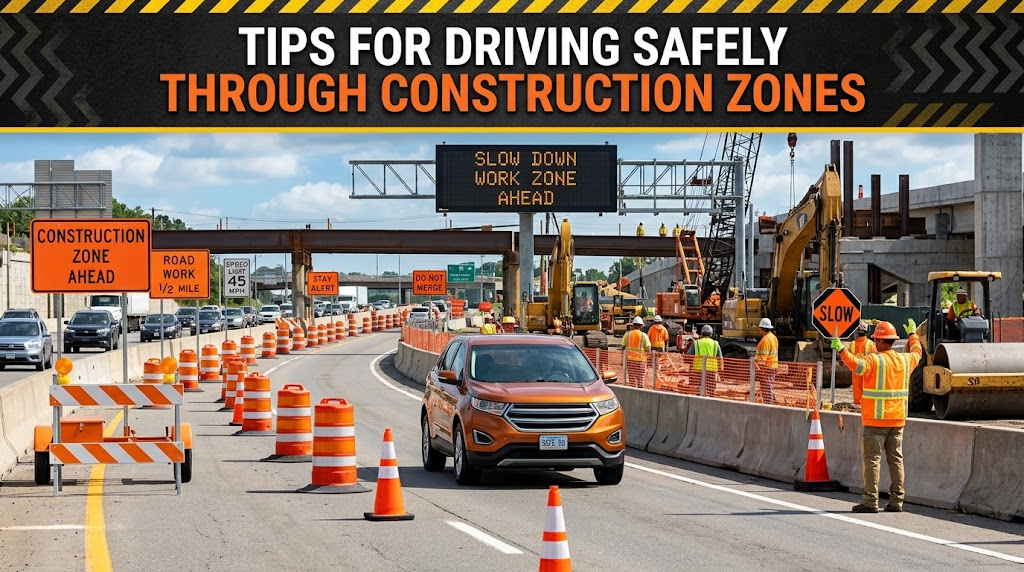
Driving through a construction zone can be challenging, even for experienced drivers. Narrow lanes, temporary traffic signals, heavy machinery, uneven road surfaces, and workers moving close to traffic can make an ordinary journey feel more complicated. These areas often require drivers to make quick decisions while staying alert to changing road conditions. A moment of distraction or impatience can increase the risk of an accident.
Developing safe driving habits is essential when approaching roadwork areas. Whether you are a new driver or have years of experience, learning to recognize hazards and respond calmly can make a significant difference. Taking professional lessons through a Driving school in Richmond can also help drivers develop better road awareness, understand traffic signs, and build confidence when navigating unfamiliar or challenging driving situations.
The good news is that construction zones become much easier to navigate when you know what to expect. By reducing your speed, maintaining a safe following distance, watching for workers, and following temporary traffic instructions, you can protect yourself and others on the road.
1. Slow Down Before Entering the Construction Zone
One of the most important rules for driving through construction zones is reducing your speed. Many drivers wait until they reach roadwork signs before slowing down, but it is better to adjust your speed as soon as you notice an approaching construction area.
Construction zones often have temporary speed limits because workers, equipment, and vehicles may be operating close to moving traffic. Even if the road appears clear, unexpected obstacles can appear without much warning.
Driving too quickly reduces the time available to recognize hazards and respond safely. Slowing down gives you more control over your vehicle and makes it easier to stop when necessary.
Helpful tips:
- Begin slowing down when you see construction warning signs.
- Follow the posted temporary speed limit.
- Avoid sudden braking unless an emergency requires it.
- Maintain a steady and controlled speed.
- Adjust your speed further when visibility or road conditions are poor.
Remember that reaching your destination a few minutes earlier is never worth putting someone's safety at risk.
2. Pay Close Attention to Construction Signs
Construction zones often contain several temporary signs that provide important information about upcoming road conditions. These signs may warn you about lane closures, reduced speed limits, uneven surfaces, detours, or workers ahead.
Ignoring these instructions can lead to confusion and dangerous driving decisions. For example, if a sign indicates that your lane will close shortly, waiting until the last moment to merge can create unnecessary traffic conflicts.
Take time to read and understand each sign. Temporary road signs may look different from the permanent signs you see during everyday driving, so remain alert throughout the construction area.
Common Construction Signs to Recognize
- Roadwork Ahead: Warns that construction activity is approaching.
- Lane Closed Ahead: Indicates that a traffic lane will be unavailable.
- Detour: Directs drivers toward an alternative route.
- Flagger Ahead: Warns that a traffic controller may be directing vehicles.
- Uneven Road: Alerts drivers to changes in the road surface.
- Temporary Speed Limit: Shows the maximum permitted speed through the work area.
Following these signs helps you prepare for changes instead of reacting at the last second.
3. Maintain a Safe Following Distance
Keeping enough space between your vehicle and the one ahead is especially important in construction zones. Traffic may slow down unexpectedly, temporary signals may stop vehicles, and drivers may need to react to workers or equipment near the road.
Following too closely reduces your reaction time and increases the possibility of a rear-end collision.
A good starting point is the three-second following-distance rule under favorable conditions. Choose a stationary object ahead, such as a sign or tree. When the vehicle in front passes it, count three seconds. If you reach the same point before finishing the count, you are following too closely.
In construction zones, consider leaving even more space when conditions require it.
Increase your following distance when:
- The road surface is wet or slippery.
- Visibility is reduced by dust or heavy vehicles.
- Traffic is moving slowly or stopping frequently.
- The road has loose gravel or uneven sections.
- The vehicle ahead is carrying heavy equipment or materials.
Extra space gives you more time to react calmly and avoid unnecessary braking.
4. Watch for Construction Workers and Heavy Equipment
Construction workers often operate just a short distance from moving traffic. They may be repairing road surfaces, directing vehicles, moving materials, or operating machinery.
These workers face significant risks because they may have limited space to move away from approaching vehicles. Drivers should always remain aware of their presence and avoid actions that could put them in danger.
Heavy equipment can also create unexpected situations. Large trucks, excavators, rollers, and other machinery may enter or leave the roadway slowly. Their size can block your view and make their movements difficult to predict.
How to Drive Safely Around Workers and Equipment
- Reduce your speed when approaching active work areas.
- Watch for workers standing near traffic lanes.
- Give construction vehicles plenty of room.
- Avoid unnecessary horn use that could distract workers.
- Never drive around barriers to bypass construction activity.
- Follow instructions from authorized traffic controllers.
Remember that construction workers are focused on completing their tasks safely. Your attention and patience can help protect them.
5. Merge Early and Avoid Last-Minute Lane Changes
Lane closures are among the most common challenges drivers face in construction zones. When a lane ends, vehicles must move into an available lane while maintaining a safe distance from surrounding traffic.
Some drivers merge too early, while others wait until the very last moment. Both situations can create confusion when drivers fail to cooperate.
The best approach is to follow the posted signs and traffic instructions. Look ahead, check your mirrors, signal clearly, and move into the open lane when it is safe.
Follow These Safe Merging Practices
- Look for lane closure warnings as early as possible.
- Check your rear-view and side mirrors.
- Activate your turn signal before changing lanes.
- Check your blind spot before moving.
- Adjust your speed to fit safely into the available traffic gap.
- Merge smoothly without forcing another driver to brake suddenly.
Avoid aggressive lane changes or trying to gain a few extra positions in a queue. A calm and predictable approach makes merging safer for everyone.
6. Stay Alert and Avoid Distractions
Construction zones demand more attention than ordinary roads because conditions can change quickly. A driver who looks away from the road for just a few seconds may miss a temporary sign, a sudden traffic slowdown, or a worker entering a nearby area.
Distractions can include mobile phones, navigation systems, conversations, eating, and adjusting vehicle controls.
Before entering a construction zone, make sure your navigation route is clear and your essential vehicle settings are adjusted. Keep your phone out of reach and focus entirely on driving.
You should also avoid becoming distracted by construction activity itself. Watching machinery or workers out of curiosity can take your attention away from the road.
A useful habit: Keep your eyes moving between the road ahead, mirrors, surrounding traffic, and potential hazards. This helps you maintain awareness of what is happening around your vehicle.
7. Follow Flaggers and Temporary Traffic Signals
Some construction zones use flaggers to control traffic when normal road signals are unavailable or when vehicles need to take turns using a single lane.
Flaggers may use signs, flags, hand signals, or other instructions to tell drivers when to stop and when to proceed.
Always follow their directions. Even if the road ahead looks clear, there may be approaching traffic, workers, or equipment that you cannot see.
When approaching a flagger:
- Slow down and prepare to stop.
- Watch their signs and hand signals carefully.
- Stop at the designated location when instructed.
- Remain behind the stopping point until permitted to move.
- Proceed slowly when traffic is released.
- Avoid passing other vehicles unless specifically directed.
Never assume that a green traffic light or an apparently empty lane means you can ignore a flagger's instructions. Temporary traffic control arrangements must be followed.
8. Be Prepared for Uneven Roads and Changing Surfaces
Construction work can significantly change the condition of the road. You may encounter loose gravel, potholes, temporary pavement markings, raised surfaces, metal plates, or unfinished sections.
These conditions can affect your vehicle's stability, steering, braking, and tire grip.
For example, driving too quickly over loose gravel may make it harder to maintain control. Similarly, sudden steering movements on uneven pavement can cause discomfort or loss of stability.
To handle changing road surfaces safely:
- Reduce your speed before reaching rough sections.
- Keep both hands on the steering wheel when appropriate.
- Avoid sudden acceleration or braking.
- Watch for potholes and temporary surface changes.
- Maintain a steady path through the designated lane.
- Follow warning signs about bumps, gravel, or uneven pavement.
If the road is particularly rough, allow yourself extra time to navigate it carefully.
9. Keep a Calm and Patient Attitude
Traffic delays are common around construction zones. Lane closures, temporary signals, and alternating traffic patterns can create long queues, especially during busy commuting hours.
It is understandable to feel frustrated when a journey takes longer than expected. However, impatience can lead to unsafe decisions, including tailgating, speeding, unnecessary overtaking, and aggressive merging.
A calm attitude helps you make better driving decisions.
If traffic stops, remain behind the vehicle ahead and avoid blocking intersections or access points. Do not attempt to bypass a queue by driving on the shoulder or entering a closed lane.
You can also reduce stress by planning your journey in advance. Check for roadwork information before leaving and allow additional travel time when construction is expected.
Remember, a few minutes of waiting are far better than risking an accident.
10. Use Extra Caution at Night and During Bad Weather
Driving through construction zones becomes more challenging when visibility is limited. Rain, fog, darkness, and poor lighting can make temporary road markings and obstacles harder to recognize.
At night, construction areas may have temporary lighting that creates shadows or glare. In rainy conditions, water can cover road markings and make surfaces slippery.
These conditions require additional caution.
Nighttime Driving Tips
- Reduce your speed when approaching construction areas.
- Use your headlights appropriately.
- Watch carefully for reflective warning signs and barriers.
- Avoid looking directly at bright construction lights.
- Increase your following distance.
- Stay alert for workers or vehicles that may be difficult to see.
Bad Weather Driving Tips
- Slow down further when roads are wet or slippery.
- Avoid sudden steering and braking movements.
- Keep your windshield and mirrors clean.
- Leave additional space between vehicles.
- Follow temporary road markings carefully.
If visibility becomes extremely poor, consider stopping somewhere safe until conditions improve.
11. Never Ignore Construction Barriers and Road Closures
Construction barriers are installed to protect workers, drivers, and pedestrians from dangerous areas. They may also separate active traffic lanes from unfinished road surfaces or heavy machinery.
Driving around a barrier or entering a closed section can expose you to serious hazards. You may encounter open trenches, construction equipment, unstable surfaces, or workers who are not expecting vehicles.
Always respect road closures, cones, barricades, and temporary fencing.
If your usual route is blocked, follow the official detour signs rather than trying to find your own shortcut through the work area.
It is also important to avoid driving on sidewalks, cycle lanes, or pedestrian paths to bypass traffic. These areas are intended for other road users and should remain accessible.
12. Protect Pedestrians and Cyclists Near Construction Areas
Construction zones do not only affect drivers. Pedestrians and cyclists may also face difficulties because sidewalks, cycle lanes, and crossing points can be temporarily changed.
Some pedestrians may need to use alternative walkways, while cyclists may have to navigate narrower spaces or temporary traffic arrangements.
As a driver, pay close attention to these vulnerable road users.
- Slow down near temporary pedestrian crossings.
- Watch for people walking around barriers.
- Give cyclists sufficient passing space where permitted.
- Avoid blocking pedestrian access points.
- Check carefully before turning near construction areas.
- Follow temporary crossing signs and traffic signals.
Children, older adults, and people with mobility challenges may need additional time to cross. Be patient and give them enough space.
Common Mistakes to Avoid in Construction Zones
Even careful drivers can make mistakes when dealing with unfamiliar road conditions. Recognizing these habits can help you avoid unnecessary risks.
| Common mistake | Safer approach |
| Driving above the temporary speed limit | Follow posted speed limits |
| Following another vehicle too closely | Maintain a safe following distance |
| Merging at the last second | Prepare for lane closures early |
| Ignoring temporary signs | Read and follow road instructions |
| Using a mobile phone | Keep your attention on driving |
| Driving around barriers | Follow designated detours |
| Becoming impatient in traffic | Stay calm and allow extra time |
| Ignoring workers and equipment | Watch for movement around the work area |
Making small adjustments to your driving habits can significantly improve safety.
Conclusion
Driving safely through construction zones requires patience, awareness, and a willingness to adjust your normal driving habits. Temporary speed limits, lane closures, heavy machinery, uneven surfaces, and changing traffic patterns all demand extra attention. By slowing down, following warning signs, maintaining a safe distance, watching for workers, and merging carefully, you can navigate these areas with greater confidence.
Safe driving is not just about controlling your vehicle. It is also about understanding your surroundings, anticipating potential hazards, and making responsible decisions. Whether you are a beginner or an experienced motorist, continuing to improve your driving skills can help you handle challenging road situations more effectively. With proper guidance and consistent practice, Benche Driving School can help learners develop the awareness, confidence, and responsible driving habits needed to stay safer on the road.

 English
 French
 Spanish
 Portuguese
 Deutsch
 Turkish
 Dutch
 Italiano
 Russian
 Romaian
 Portuguese (Brazil)
 Greek