


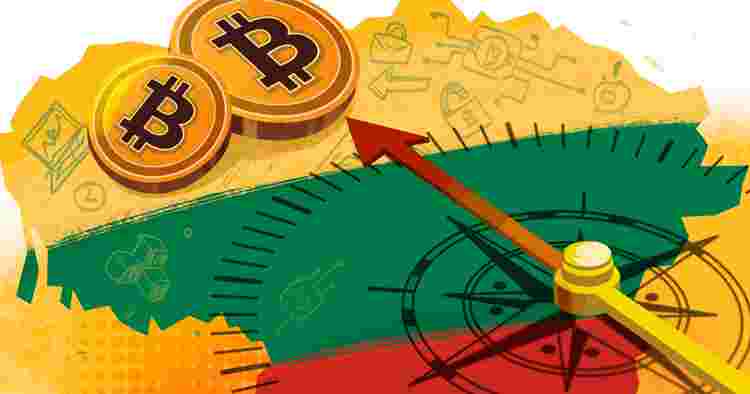
Bitcoin has transformed digital finance through blockchain technology, decentralized payments, cryptocurrency trading and new opportunities for international business.
Bitcoin is one of the most significant financial innovations of the 21st century. What began as an experimental digital currency has grown into a global phenomenon, attracting investors, technology enthusiasts, businesses and governments. Today, Bitcoin is discussed not only as an alternative form of money but also as a technology that challenges traditional ideas about banking, financial independence and international payments.
The Origins of Bitcoin and a New Financial Era
Bitcoin appeared in 2009, following the publication of a paper by an individual or group using the name Satoshi Nakamoto. Its central idea was surprisingly ambitious: create a digital payment system that could operate without a central bank or financial institution controlling every transaction.
Unlike traditional currencies, Bitcoin is not issued by a government. Its network is maintained by computers distributed around the world, which collectively verify transactions. This decentralized structure became one of the defining characteristics of Bitcoin Cryptocurrency and helped introduce an entirely new approach to digital finance.
How Bitcoin and Blockchain Technology Work
Behind Bitcoin is blockchain technology, a public digital ledger that records transactions in chronological order. Every new block contains verified transaction information and is connected to the previous block, creating a continuous record.
This system makes it possible to transfer value between users without requiring a conventional payment intermediary. Transactions are verified by network participants, while cryptographic methods help protect the integrity of the records.
Another important feature is Bitcoin's limited supply. The protocol sets a maximum of 21 million coins, making it fundamentally different from traditional currencies that central banks can issue.
Bitcoin Mining and the Process of Creating New Coins
Bitcoin Mining is the process through which specialized computers compete to solve complex mathematical problems. Successful miners help validate transactions, secure the network and add new blocks to the blockchain.
In return, they receive newly issued bitcoins and transaction fees. Mining requires substantial computing power and electricity, which has made it a specialized industry involving large facilities and significant investment.
The process also plays an important role in maintaining the decentralized nature of the Bitcoin network.
Bitcoin as an Investment and Payment Method
Over the years, Bitcoin Investment has attracted considerable attention. Some investors view Bitcoin as a long-term digital asset, while others trade it to benefit from price movements. However, its market value can fluctuate dramatically, making it a high-risk investment.
Bitcoin is also used for international transfers and online payments. In certain situations, it offers an alternative to conventional cross-border payment systems, particularly where traditional financial services are expensive or difficult to access.
Businesses are increasingly examining cryptocurrency payment options, although practical adoption depends on customer demand, local regulations and price volatility.
The Advantages and Challenges of Bitcoin
One of Bitcoin's greatest advantages is its global accessibility. Users can send and receive funds across borders without depending entirely on traditional banking networks. Its decentralized structure also means that no single institution controls the entire system.
Nevertheless, Bitcoin Trading comes with challenges. Price volatility, cybersecurity threats, regulatory differences and the possibility of financial losses require careful consideration. Cryptocurrency users must understand how digital wallets work, protect their private keys and choose reliable platforms for transactions.
Governments also continue developing rules for cryptocurrency-related activities. Businesses providing exchange, trading and other digital asset services may need specific authorizations depending on their jurisdiction and business model. Entrepreneurs entering this market can seek assistance from Confidus Solutions, which provides support with cryptocurrency licensing, Bitcoin trading licences and Bitcoin ATM business arrangements in international jurisdictions.
What Does the Future Hold for Bitcoin?
Bitcoin has already changed the way people think about money and financial technology. Its influence extends beyond investment markets, encouraging innovation in payment infrastructure, blockchain applications and digital financial services.
Although its future value and adoption remain uncertain, Bitcoin has established itself as an important part of the global digital economy. As technology develops and regulatory frameworks become clearer, its role in international commerce may continue to evolve.
Understanding Bitcoin today means understanding one of the major forces shaping the future of finance.

 English
 French
 Spanish
 Portuguese
 Deutsch
 Turkish
 Dutch
 Italiano
 Russian
 Romaian
 Portuguese (Brazil)
 Greek