


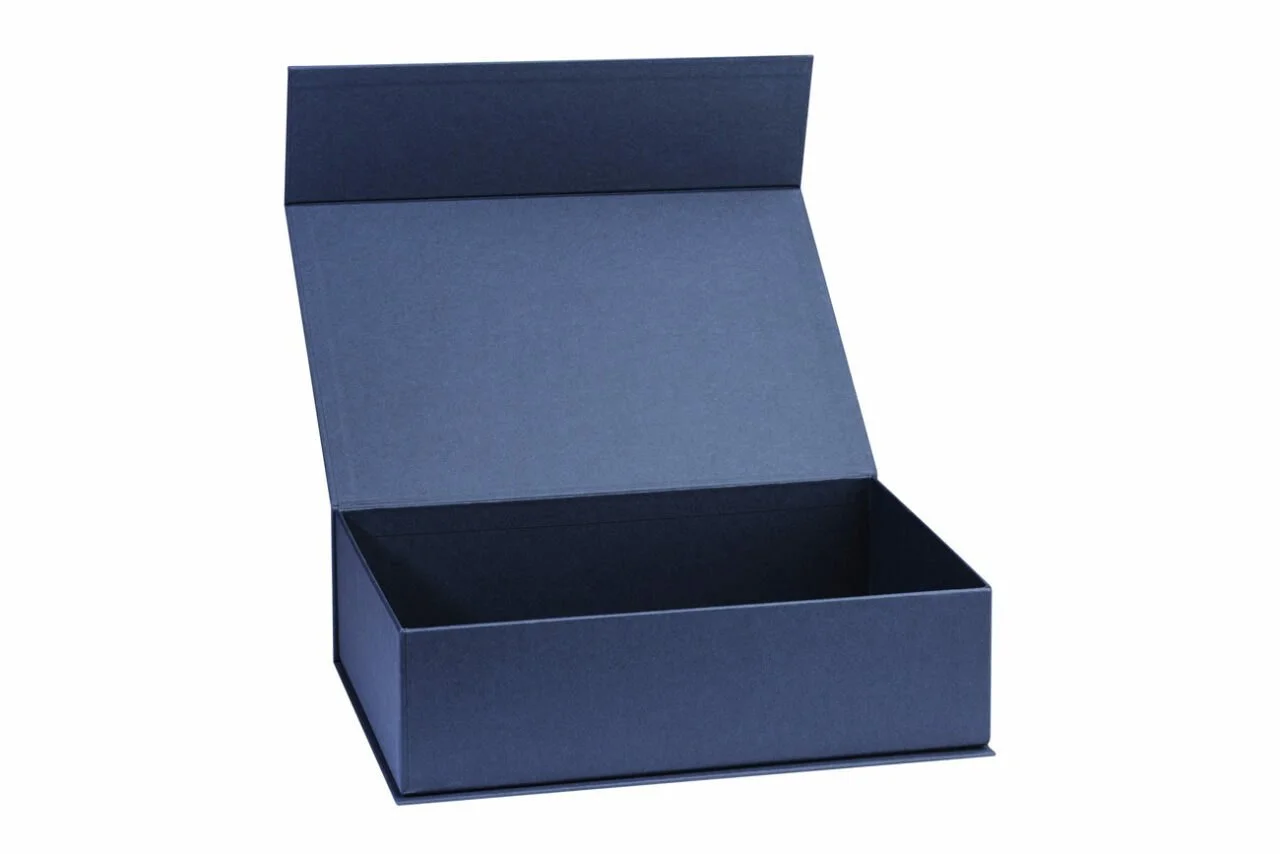
Packaging is often the first physical interaction customers have with a product. Before they see what is inside, they notice the material, structure, colors, and overall presentation of the package. For businesses selling luxury goods, cosmetics, electronics, jewelry, gifts, and specialty products, packaging can influence how customers perceive quality. A well-constructed box creates a sense of care and makes the product feel more valuable.
Rigid boxes are a popular choice for brands that want packaging with a strong structure and an upscale appearance. Unlike ordinary folding cartons, they are made from thick, sturdy board that holds its shape and provides dependable protection. Their solid construction makes them suitable for premium products, retail displays, corporate gifts, and special-edition collections. With thoughtful design and quality finishing, rigid packaging can become an important part of the customer's experience.
What Makes Rigid Packaging Different?
Rigid packaging is known for its durability and firm structure. It is commonly manufactured from thick paperboard wrapped in printed or decorative paper. This construction gives the box a substantial feel and helps it maintain its shape during handling, storage, and presentation.
The difference is noticeable as soon as a customer picks up the package. A rigid box feels more solid than a lightweight folding carton, which can help communicate quality before the product is even revealed. Its structure also makes it suitable for products that need a more secure presentation, such as glass containers, delicate accessories, and high-value retail items.
Custom Designs That Strengthen Brand Identity
Packaging should reflect the character of the business and the expectations of its customers. A luxury skincare company may prefer soft colors and understated finishes, while an electronics brand might choose a clean, modern design. Gift businesses may use decorative patterns and special finishes to create a memorable presentation.
Custom rigid boxes give businesses control over the dimensions, structure, wrapping material, printing, and finishing details. Custom printed rigid boxes can feature logos, brand colors, product information, illustrations, and distinctive artwork. This flexibility makes it easier to create packaging that feels consistent with a company's identity and stands out in a competitive retail environment.
Popular Styles for Different Products
Rigid packaging can be manufactured in several styles to suit different products and customer experiences. The right design depends on how the package will be opened, displayed, stored, and used.
Common styles include:
- Lid-and-base boxes: A classic design with a separate top and bottom, suitable for gifts, apparel accessories, and premium retail products.
- Magnetic closure boxes: Feature a hinged lid with a magnetic fastening system, creating a neat and convenient opening experience.
- Drawer-style boxes: Use a sliding tray that gives customers an attractive way to reveal the product.
- Shoulder boxes: Include an internal shoulder that creates a refined fit between the lid and base.
- Collapsible rigid boxes: Offer a sturdy appearance while folding down for more efficient storage and transportation before assembly.
Each style provides a different presentation. Businesses should select one that complements the product while making it easy for customers to access and handle the contents.
Materials That Balance Protection and Presentation
The materials used in rigid packaging affect its strength, weight, appearance, and environmental considerations. Thick paperboard provides the main structure, while the outer wrap creates the visible surface. Depending on the design, this wrap may be printed paper, textured stock, or specialty material.
Cardboard rigid boxes can be customized with different thicknesses and coverings to suit a wide range of products. Internal inserts can also be added to hold items securely in place. Foam, paperboard dividers, molded inserts, or other suitable materials may be used depending on the product's shape and protection requirements.
Businesses interested in sustainability can explore eco-friendly rigid boxes made with recyclable paper-based materials or responsibly sourced components. The choice should consider the complete package, including coatings, adhesives, inserts, and decorative elements. Selecting a suitable material and avoiding unnecessary layers can help reduce waste while maintaining the strength and appearance customers expect.
Printing and Finishing Options for a Premium Look
The exterior of a rigid box offers valuable space for branding. High-quality printing can turn a simple structure into a recognizable part of a product collection. Businesses can use consistent colors, typography, logos, and artwork to create a professional appearance across different packaging sizes.
Finishing techniques add texture and visual interest:
- Matte lamination: Provides a smooth, low-glare surface for a sophisticated appearance.
- Gloss lamination: Creates a shiny finish that makes colors look more vibrant.
- Foil stamping: Adds metallic details to logos, lettering, or selected design elements.
- Embossing: Raises parts of the design to create a noticeable texture.
- Debossing: Presses design elements into the surface for a subtle, refined effect.
- Spot UV coating: Adds gloss to selected areas, creating contrast against the surrounding finish.
These options can be combined carefully to create a distinctive package. The goal is to support the brand's visual identity without making the design feel crowded.
Creating a Memorable Unboxing Experience
A premium package should feel enjoyable to open. Customers often appreciate the small details that make a purchase feel carefully prepared, especially when buying gifts or higher-value products. A fitted insert, neatly arranged contents, and a smooth-opening lid can make the experience feel more considered.
Personalized rigid boxes allow businesses to add custom messages, product-specific designs, and branded interior details. Custom rigid boxes with logo can also create a consistent impression across retail packaging, gift sets, and promotional orders. These details help connect the physical product with the brand and make the purchase more memorable.
For online businesses, unboxing is especially important because customers do not experience the product in person before placing an order. Attractive packaging can make delivery feel more special and encourage customers to share their experience through reviews, photos, or social media posts.
Wholesale Packaging for Growing Businesses
Businesses have different packaging needs depending on their size, product range, and order volume. A small company launching a limited collection may need a flexible production quantity, while an established retailer may require larger runs to maintain consistent packaging across multiple locations.
Wholesale rigid boxes can help businesses manage larger packaging requirements and maintain a uniform presentation. Custom wholesale rigid boxes can be produced in different sizes and styles for product collections, seasonal promotions, and gift packaging. Companies searching for custom rigid boxes no minimum should review supplier policies, since minimum order quantities depend on the materials, printing process, and production method.
When comparing suppliers, consider more than the quoted price. Material quality, construction, printing accuracy, sample availability, and production timelines all affect the final result. A reliable supplier should be able to explain available customization options and help identify a suitable structure for the product.
How to Choose the Right Rigid Box
Choosing the right package starts with understanding the product and how customers will receive it. A small jewelry item may need a compact box with a fitted insert, while a larger gift set may require a more spacious design with internal dividers.
Keep these factors in mind:
- Product dimensions: Measure the product and any accessories that will be included.
- Protection needs: Decide whether inserts or dividers are necessary to prevent movement.
- Box style: Select a closure and opening design that suits the product.
- Material and finish: Balance durability, appearance, and budget.
- Branding: Use colors, logos, and finishing details that match your visual identity.
- Order requirements: Choose a production quantity that fits current demand and storage capacity.
Requesting a sample before full production can help confirm the box dimensions, material feel, print quality, and overall construction. This step is particularly useful for products with unusual shapes or delicate components.
Frequently Asked Questions
What products are suitable for rigid boxes?
Rigid boxes are suitable for many premium products, including cosmetics, skincare sets, jewelry, watches, electronics, apparel accessories, fragrances, and gift collections. Their sturdy construction and customizable interiors make them useful for products that need an attractive and secure presentation.
Are rigid boxes stronger than regular folding cartons?
Generally, yes. Rigid boxes use thicker boards and hold their shape, giving them a more substantial structure than standard folding cartons. The level of protection still depends on the box construction, material thickness, inserts, and product requirements.
Can rigid boxes be made with eco-friendly materials?
Yes. Businesses can explore recyclable paperboard, responsibly sourced paper wraps, and other suitable paper-based components. It is important to consider the entire package, including coatings and inserts, when evaluating its recyclability and environmental impact.
Conclusion
Rigid packaging combines strength, attractive presentation, and practical customization. Its solid construction helps protect products, while printing, finishing, and personalized details give businesses more ways to express their brand identity. Companies exploring New York packaging hub can consider rigid packaging solutions that match their products, presentation goals, and order requirements. With the right design and materials, a well-made rigid box can improve the unboxing experience and help customers remember the brand long after opening the package.

 English
 French
 Spanish
 Portuguese
 Deutsch
 Turkish
 Dutch
 Italiano
 Russian
 Romaian
 Portuguese (Brazil)
 Greek