


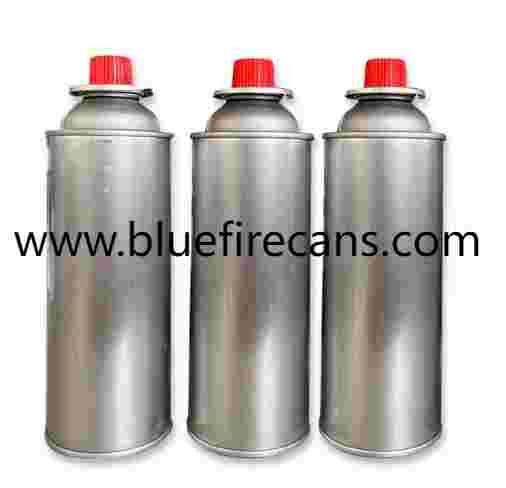
Butane Gas Cartridge Supplier discussions should begin with specific questions rather than a simple request for a quotation. Buyers need to explain their target market, intended application, product requirements, and expected order volume before comparing proposals. A well-prepared inquiry helps both parties understand the project and identify details that need confirmation. For importers, wholesalers, and distributors, asking the right questions early can make sample evaluation, price discussions, and order planning easier to manage.
Which Product Specifications Can Be Provided?
Start by asking for a detailed product specification sheet. Buyers should understand the available dimensions, nominal filling capacity, container material, valve configuration, and other relevant technical details. These specifications help purchasing teams determine whether a product is suitable for their intended equipment and sales channel.
If the project requires a particular size or connection, provide the relevant measurements or product references. Do not rely only on general descriptions or product photographs. Written technical information gives both parties a common reference and helps reduce confusion during quotation and sample review.
It is also useful to ask whether different models are available. A distributor serving several customer groups may need more than one format. Discussing the product range at the beginning can help buyers plan their purchasing requirements more clearly.
How Are Samples Arranged and Approved?
Sample evaluation gives buyers an opportunity to review product details before confirming a larger order. Ask whether samples can be arranged and which specifications should be checked during the evaluation.
A practical sample review may cover external dimensions, surface appearance, valve connection, packaging condition, and compatibility with the intended appliance. Buyers should prepare an evaluation list and record any questions or requested adjustments.
Once a sample is approved, its specifications should be documented. If changes are needed later, both parties should confirm the updated details in writing. This approach helps purchasing teams maintain a clear reference when reviewing delivered goods.
What Quality Inspection Information Is Available?
Buyers should ask how product checks are organized during production. Useful questions include which materials are inspected, what procedures are applied to assembled products, and how finished goods are reviewed before shipment.
For pressurized fuel cartridges, safety-related inspection and compliance requirements deserve particular attention. Buyers should identify the regulations that apply to the product and destination market, then request documentation relevant to the specific model and order. The manufacturing partner should clarify the scope of available reports rather than making broad claims that may not apply to every configuration.
It is also worth asking how production batches are identified and how inspection records are maintained. These details can support communication if a question arises after delivery or when a repeat order is arranged.
Can Packaging Be Adjusted for Different Markets?
Packaging requirements often depend on the buyer's distribution channel. Retail brands may need printed cartons and product labels, while wholesalers may focus on carton quantities, dimensions, and warehouse handling.
Ask about available packaging formats, artwork requirements, label languages, barcode placement, and carton specifications. If private-label packaging is required, provide the logo files and design guidelines early. Confirm whether a digital proof or packaging sample can be reviewed before the order moves forward.
Buyers should also discuss the packaging and transport requirements applicable to their products. This is particularly important when arranging international shipments, as the preparation process may involve additional documentation and handling instructions.
Which Commercial Details Should Be Confirmed?
A quotation should explain the product model, order quantity, unit price, packaging arrangement, and payment conditions. Buyers should also check whether sample costs, printing charges, inspection fees, or other project expenses are included.
Minimum order quantities and production schedules should be discussed before confirming the purchase. If the buyer needs several models or customized packaging, ask how these requirements affect the order arrangement and estimated completion date.
Shipping terms also deserve written confirmation. Clarify the named delivery location, responsibility for freight arrangements, required export documents, and the expected handover process. A detailed quotation makes it easier to compare proposals based on the same purchasing requirements.
How Will Communication Continue After Confirmation?
Order communication should not stop once the quotation is accepted. Buyers can ask who will coordinate the project, how production updates are shared, and how specification changes are handled.
For repeat purchasing, it may be useful to keep approved drawings, sample records, packaging artwork, and inspection requirements in an organized file. These records give both parties a reference for future orders and help maintain continuity when purchasing quantities change.
Importers should also discuss how questions about delivery schedules, documents, or product details will be addressed. Clear communication responsibilities can make cooperation more manageable as business requirements develop.
Prepare a Clear Inquiry Before Placing an Order
A useful inquiry does not need to be complicated. Include the intended application, destination country, preferred model, estimated quantity, packaging expectations, and any technical documents already available. Attach drawings or reference photographs when they help explain the requested configuration.For buyers reviewing product options and discussing wholesale or customized orders, bluefirecans offers a direct starting point for product inquiries. Visit https://www.bluefirecans.com/ to review the available range and share your project requirements, including specifications, target quantity, packaging preferences, and destination market. Providing these details can help the sales team understand the request and prepare a more relevant response.

 English
 Arabic
 French
 Spanish
 Deutsch
 Turkish
 Dutch
 Italiano
 Russian
 Romaian
 Portuguese (Brazil)
 Greek