


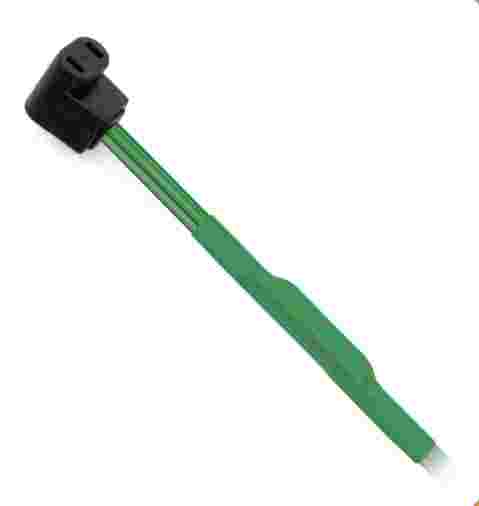
An electrical cord supplies power from the approved source to the fan. Its construction and electrical rating must match the requirements of the connected equipment.
Using an unsuitable cable can result in poor connections, excessive heating, or equipment malfunction. The correct cord helps maintain a reliable connection and supports consistent fan operation.
For industrial cooling applications, cord selection is especially important because equipment may operate continuously or in demanding environments.
Different Types of Fans That Use Electrical Cords
Several types of fans use electrical cords depending on their design.
1. Portable Fans
Portable fans commonly use plug-in electrical cords. These cords allow users to connect the fan to a compatible power outlet.
2. Industrial Cooling Fans
Industrial cooling fans are frequently installed in electrical cabinets, control panels, and machinery. Their electrical connections must match the equipment's voltage and wiring requirements.
3. Ventilation Fans
Ventilation fans help move air through different spaces. Depending on the installation, they may use factory-installed cords or dedicated electrical wiring.
4. Equipment Cooling Fans
Equipment cooling fans are used in electronic systems and industrial enclosures. Their cords must be compatible with the fan motor and the equipment's electrical configuration.
How to Select the Correct Fan Cord
Before purchasing a replacement or custom electrical cord, review the following specifications.
-
Voltage: Confirm that the cord is suitable for the fan's operating voltage.
-
Current Capacity: Make sure the cable supports the fan's electrical load.
-
Wire Gauge: Select the appropriate conductor size according to the manufacturer's requirements.
-
Connector Design: Check that the connector matches the fan's electrical connection.
-
Cable Length: Choose a practical length for the intended installation.
-
Insulation: Consider the temperature and environmental conditions in which the cord will operate.
These details help ensure the selected cord is appropriate for the application.
Are Custom Electrical Cords Useful for Industrial Fans?
Custom electrical cords can help meet specific equipment requirements. Some industrial applications need particular cable lengths, connector configurations, or wire arrangements that may not be available in standard options.
A custom cord can make installation easier and help reduce unnecessary cable routing. It can also support equipment manufacturers and maintenance teams working with specialized fan assemblies.
However, every custom configuration must meet the applicable electrical ratings and safety requirements.
How Can You Extend the Life of a Fan Cord?
Proper handling and routine inspection can help maintain cable condition.
Avoid bending cords sharply, pulling them from the cable itself, or placing heavy equipment over them. Keep electrical cables away from sharp surfaces and heat sources.
Inspect connectors and insulation periodically. Replace cables that show signs of damage, wear, or overheating. Always disconnect the power before carrying out inspections or replacement work.
Why Is Cord Compatibility Important?
Not every electrical cord works with every fan. Different models can have different voltage ratings, connector designs, wire configurations, and installation requirements.
Always compare the replacement cord specifications with the original equipment requirements. If you are unsure about compatibility, consult the equipment manufacturer or a qualified electrical professional.
Conclusion
Selecting a suitable cord is essential for the reliable operation of different fan types. Understanding electrical ratings, wire gauge, connector compatibility, and cable length helps prevent common installation problems. For specialized cooling and ventilation requirements, explore the GardTec Custom Fan Cords collection for available options.

 English
 French
 Spanish
 Portuguese
 Deutsch
 Turkish
 Dutch
 Italiano
 Russian
 Romaian
 Portuguese (Brazil)
 Greek