


Introduction
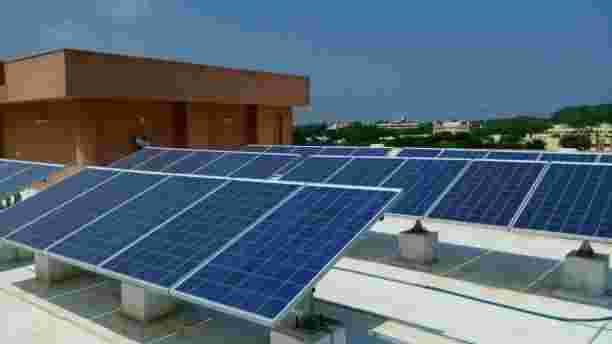
Solar energy is becoming an increasingly popular option for homeowners and businesses looking to explore alternative sources of electricity. With rising awareness about renewable energy, many people are considering rooftop solar systems to make better use of available sunlight and manage their electricity consumption. Choosing suitable solar panels, reliable equipment, and qualified installation professionals is an important part of the process.
If you are searching for solar energy near me, solar panels for home near me, or solar panel installers near me, GRIDSTONE SOLAR SOLUTIONS is an option to explore for your solar energy requirements. Understanding your electricity needs, available roof space, system capacity, and installation requirements can help you make an informed decision.
1. Solar Energy Near Me for a Sustainable Future
Searching for solar energy near me is often the first step for people interested in renewable electricity solutions. Solar energy uses sunlight to generate electricity through photovoltaic panels, which can be installed on suitable rooftops or other appropriate locations.
A properly planned solar system can help households and businesses generate electricity from sunlight and reduce their dependence on conventional grid power. Actual savings depend on factors such as system capacity, sunlight availability, electricity consumption, equipment quality, and applicable electricity tariffs.
GRIDSTONE SOLAR SOLUTIONS can be approached to discuss your solar energy requirements and explore suitable system options.
2. Solar Panels for Home Near Me: Choose the Right System
Homeowners searching for solar panels for home near me should first understand their household electricity consumption. The right system size depends on how much electricity your family uses and how much suitable installation space is available.
Before selecting solar panels, consider:
-
Monthly electricity consumption.
-
Available rooftop space and direction.
-
Roof condition and shading.
-
Suitable solar system capacity.
-
Grid-connected or other system requirements.
-
Budget and expected electricity usage.
-
Equipment specifications and warranty terms.
A professional site assessment can help determine whether your roof is suitable and what type of solar installation may meet your requirements.
3. Solar Panel Installers Near Me for Professional Installation
Finding qualified solar panel installers near me is important because installation quality affects system safety, performance, and long-term maintenance.
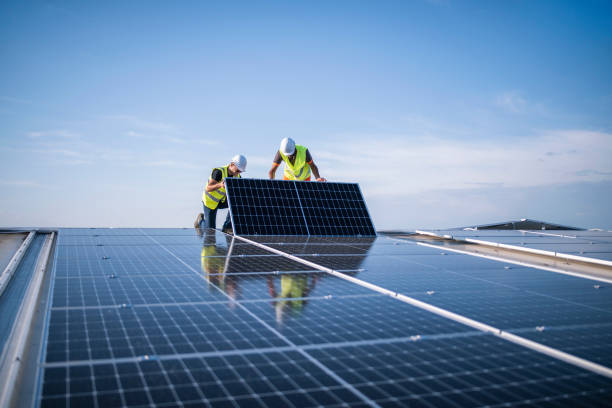
Solar installation generally involves checking the roof, planning panel placement, selecting suitable equipment, installing mounting structures, completing electrical connections, and testing the system.
When selecting an installer, ask about:
-
Relevant installation experience.
-
Equipment specifications.
-
Mounting and wiring arrangements.
-
Electrical safety practices.
-
Applicable approvals and documentation.
-
Warranty and maintenance support.
-
Expected installation timeline.
GRIDSTONE SOLAR SOLUTIONS can be contacted to enquire about solar installation options and project requirements. Confirm the scope of work and service details before proceeding.
4. Solar Panel Suppliers Near Me: Compare Product Quality
If you are searching for solar panel suppliers near me, comparing product specifications is essential. Solar panels differ in technology, efficiency ratings, dimensions, performance characteristics, and warranty conditions.
Before purchasing, check:
-
Manufacturer and product specifications.
-
Rated power output.
-
Efficiency information.
-
Product and performance warranties.
-
Certification and applicable standards.
-
Compatibility with the proposed inverter.
-
Availability of technical support.
Do not select panels based only on price. Consider the complete system, including the inverter, mounting structure, electrical components, and installation quality.
You can approach GRIDSTONE SOLAR SOLUTIONS to discuss your requirements and enquire about available solar equipment options.
5. Solar Shop Near Me for Solar Equipment and Guidance
Searching for a solar shop near me can help you explore solar products and understand the equipment required for a solar installation.
A solar energy system may include several components:
-
Solar Panels: Capture sunlight and convert it into electrical energy.
-
Solar Inverter: Converts the electricity generated by panels into a form suitable for compatible electrical systems.
-
Mounting Structure: Supports the panels on the rooftop or installation surface.
-
Wiring and Protection Equipment: Helps connect the system and provide appropriate electrical protection.
-
Battery Storage: Stores electricity in systems designed with compatible batteries.
The equipment required depends on the system design. Contact GRIDSTONE SOLAR SOLUTIONS to enquire about suitable products and installation requirements.
6. Understand Different Types of Solar Power Systems
Before investing in solar energy, it is helpful to understand the main types of systems available.
-
On-Grid Solar System: Connected to the electricity grid. It can supply solar-generated electricity to the property and may allow eligible excess electricity to be exported according to local regulations.
-
Off-Grid Solar System: Designed to operate independently of the electricity grid and generally uses battery storage to supply electricity when sunlight is unavailable.
-
Hybrid Solar System: Combines grid connectivity with battery storage, depending on the system configuration.
Each option has different equipment, costs, and operating requirements. A qualified solar professional can help assess which configuration is appropriate for your property.
7. Benefits of Installing Solar Panels at Home
A residential solar installation can offer several practical advantages when the system is properly designed and maintained.
Some potential benefits include:
-
Renewable Electricity: Solar panels generate electricity using sunlight.
-
Electricity Bill Management: Self-generated electricity may reduce the amount of power purchased from the grid.
-
Energy Awareness: Solar monitoring can help households understand electricity generation and consumption.
-
Long-Term Planning: A solar system can be considered as part of a property's energy strategy.
-
Environmental Benefits: Solar electricity can reduce reliance on electricity generated from fossil fuels, depending on the local grid mix.
Actual financial and environmental benefits depend on the system design, location, usage patterns, and operating conditions.
8. Why Consider GRIDSTONE SOLAR SOLUTIONS?
Choosing a solar provider is an important step in planning a residential or commercial solar project. You should work with a provider that can explain equipment specifications, installation requirements, and project costs clearly.
GRIDSTONE SOLAR SOLUTIONS can be approached to discuss your solar energy needs and enquire about suitable options.
Before making a decision, discuss:
-
Your monthly electricity consumption.
-
Available roof area.
-
Preferred solar system capacity.
-
Equipment specifications.
-
Installation requirements.
-
Project quotation and payment terms.
-
Warranty and after-installation support.
Request a clear breakdown of the proposed system so you can compare options and understand what is included.
9. Important Things to Check Before Solar Installation
A solar installation requires proper planning. The roof, electrical system, and equipment should be assessed before the project begins.
Keep these factors in mind:
-
Roof Condition: Check whether the roof can support the proposed mounting arrangement.
-
Sunlight Exposure: Identify shading from trees, buildings, and other structures.
-
System Capacity: Match the proposed capacity with electricity consumption.
-
Electrical Safety: Ensure appropriate wiring, earthing, and protection equipment.
-
Approvals: Understand applicable local permissions and electricity distribution company requirements.
-
Warranty: Review product and installation warranty conditions.
-
Maintenance: Ask about cleaning, inspection, and service requirements.
Proper planning can help avoid installation problems and support reliable system operation.
10. How to Get Started with Solar Energy for Your Property
If you are planning to install solar panels, begin by reviewing your recent electricity bills and identifying your average monthly consumption. Take note of your roof size, possible shading, and preferred installation area.
Next, contact a solar provider to discuss system capacity, equipment options, installation costs, and expected electricity generation. Compare quotations carefully and ask for written details about warranties, approvals, and maintenance.
GRIDSTONE SOLAR SOLUTIONS can be contacted to enquire about your solar project requirements. Sharing accurate information about your property and electricity usage can help make the initial discussion more productive.
Conclusion
Solar energy offers households and businesses an opportunity to explore renewable electricity and make better use of available sunlight. From choosing solar panels and comparing suppliers to finding qualified installers, every stage of the process requires careful planning.
Whether you are searching for solar energy near me, solar panels for home near me, solar panel installers near me, solar panel suppliers near me, or a solar shop near me, consider contacting GRIDSTONE SOLAR SOLUTIONS to discuss your requirements. Compare equipment, understand installation conditions, and select a system that suits your property's energy needs. For more visit us!
Frequently Asked Questions (FAQs)
1. Where can I find solar energy near me?
You can search for local solar solution providers and compare their equipment, installation services, project quotations, and after-installation support. GRIDSTONE SOLAR SOLUTIONS can be contacted to enquire about your requirements.
2. How do I choose solar panels for home near me?
Consider your electricity consumption, roof space, sunlight exposure, system capacity, panel specifications, warranty, and budget before selecting solar panels.
3. How can I find reliable solar panel installers near me?
Compare installation experience, technical knowledge, safety practices, equipment specifications, warranty terms, and customer support before choosing an installer.
4. What should I check when searching for solar panel suppliers near me?
Check product specifications, rated power output, efficiency, manufacturer details, certifications, warranty conditions, and compatibility with other system components.
5. What can I purchase from a solar shop near me?
Solar shops may offer panels, inverters, batteries, mounting structures, wiring, and related equipment. Product availability depends on the supplier.
6. How many solar panels are required for a home?
The number depends on household electricity consumption, panel wattage, available roof space, and the desired system capacity. A site assessment can help determine the requirement.
7. What is the difference between on-grid and off-grid solar systems?
An on-grid system operates in connection with the electricity grid, while an off-grid system operates independently and generally uses battery storage. A hybrid system combines grid connectivity and battery storage.
8. Do solar panels work on cloudy days?
Solar panels can generate electricity during cloudy conditions, but production is generally lower than on sunny days. Actual output depends on cloud cover, panel specifications, and installation conditions.
9. Does a home solar system require regular maintenance?
Solar systems generally require periodic inspection, panel cleaning when needed, and checks of electrical connections and equipment. Follow the manufacturer's maintenance recommendations.
10. How can I enquire about solar installation with GRIDSTONE SOLAR SOLUTIONS?
Contact GRIDSTONE SOLAR SOLUTIONS with your location, electricity consumption, roof details, and preferred system requirements. Ask for information about equipment, installation costs, warranties, and project timelines.

 Arabic
 French
 Spanish
 Portuguese
 Deutsch
 Turkish
 Dutch
 Italiano
 Russian
 Romaian
 Portuguese (Brazil)
 Greek