


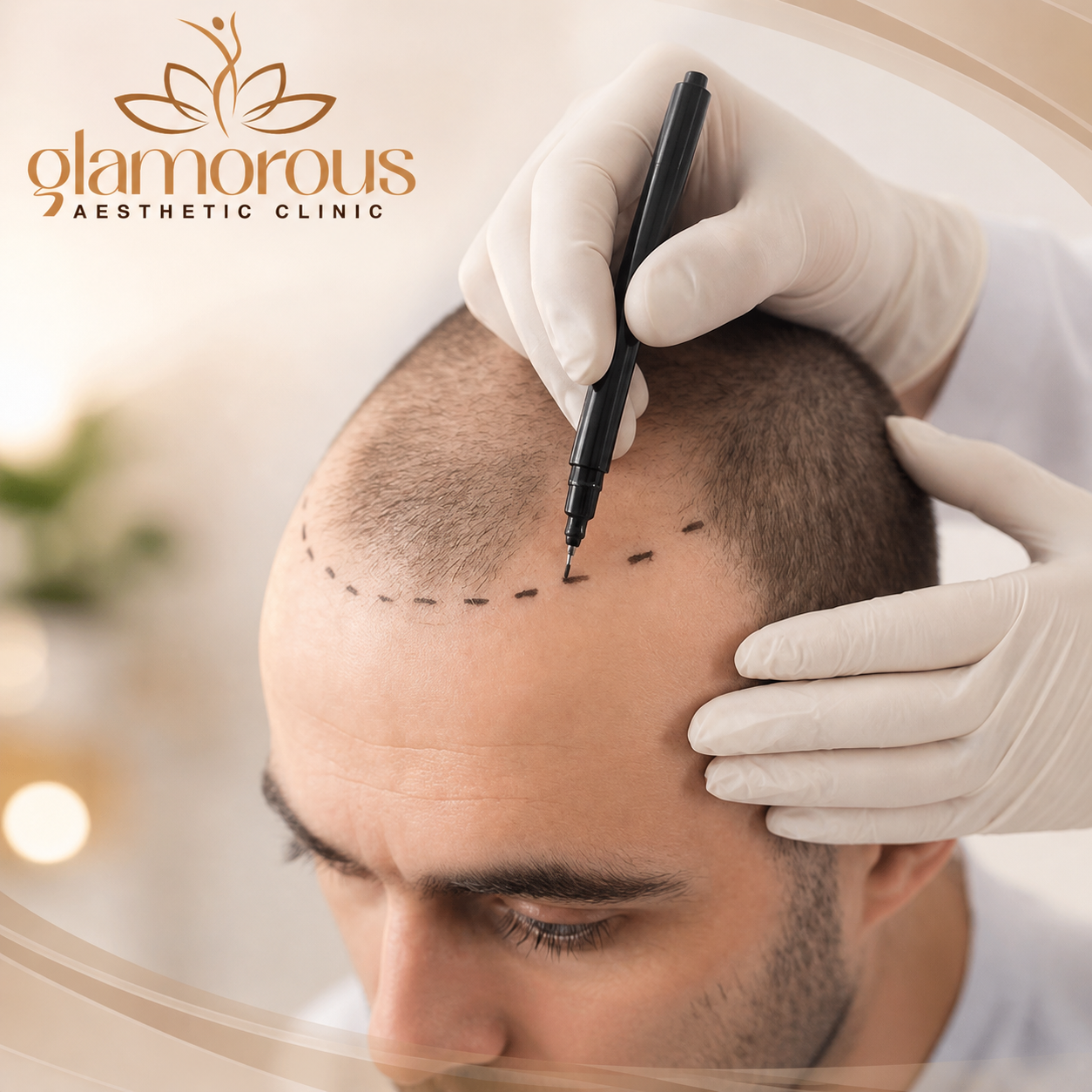
Hair loss can quietly change the way a person feels about their appearance.It affects confidence in social settings, at work, and even in front of the mirror.If you are exploring Hair Transplant in Islamabad , you are taking a meaningful step toward lasting and natural-looking hair.Modern follicular restoration has moved far beyond the obvious, pluggy results of the past.
Today it is a refined medical art that blends science, precision, and an eye for natural design.
Understanding Hair Loss Before Choosing Treatment
Hair loss rarely has a single cause. Genetics, hormonal changes, stress, nutritional deficiencies, scalp conditions, and certain medications can all play a role. Male pattern baldness and female pattern thinning are the most common reasons people seek surgical solutions, but traction, scarring conditions, and post-injury hair loss can also be addressed in the right candidates.A proper consultation begins with a thorough scalp analysis. The specialist examines hair density, donor area strength, the thickness of individual strands, and the pattern of loss. This stage matters because a transplant is only as successful as the planning behind it. Not every person is an ideal candidate, and an honest, ethical clinic will tell you so before recommending a procedure.
How Follicular Restoration Actually Works?
A hair transplant relocates healthy, permanent hair follicles from a donor area, usually the back and sides of the scalp, to the thinning or bald regions. These donor follicles are genetically resistant to the hormone that causes most pattern baldness, which is why transplanted hair tends to last for life.Two main techniques are widely used. Follicular Unit Extraction removes individual follicles one at a time using a fine micro-punch tool. It leaves no linear scar, heals quickly, and suits people who like to wear their hair short. Follicular Unit Transplantation, sometimes called the strip method, removes a thin strip of scalp that is then dissected into grafts under magnification. It can harvest a larger number of grafts in a single session, making it useful for extensive hair loss.Newer approaches such as Direct Hair Implantation use specialized pens to place follicles without pre-made channels, giving the surgeon fine control over angle, depth, and direction. The best technique depends on your hair type, your goals, and the condition of your donor area.
The Importance of Artistic Hairline Design
A natural result depends heavily on the hairline. A hairline that is too low, too straight, or too dense at the front looks artificial no matter how many grafts are used. Skilled surgeons study facial proportions, forehead height, age, and future hair loss patterns before drawing the line.Natural hairlines are never perfectly straight. They have subtle irregularities, soft transition zones, and finer single-hair grafts at the very front that gradually give way to thicker multi-hair grafts behind. Angle and direction matter as much as placement. Hair on the temples grows sideways, while hair at the crown spirals outward. Getting these details right is what separates a result that others notice from one that nobody can tell was ever surgical.
What to Expect on the Day of Surgery?
Hair transplant procedures are performed under local anesthesia, so you stay awake but comfortable. After the donor area and recipient area are numbed, the surgeon harvests the grafts and carefully places them in the planned pattern. Depending on the number of grafts, the session can take several hours, and breaks are provided for rest and refreshments.Most people return home the same day. Mild swelling, redness, and tiny scabs around the transplanted area are normal in the first days. Pain is usually minimal and well controlled with simple medication prescribed by your doctor.
Recovery and the Growth Timeline
Patience is part of the journey. During the first week, scabs form and gradually fall away. Within the first few weeks, the transplanted hairs shed, which is a normal and expected phase. It can feel alarming, but the follicles beneath the skin remain alive and are preparing to grow new strands.New growth typically begins around the third or fourth month and continues steadily. By six months, many people notice a visible improvement in coverage. Final results generally mature between twelve and eighteen months, when the hair has gained its full thickness and texture.Good aftercare speeds healing and protects your investment. Avoid strenuous exercise, direct sun exposure, swimming, and touching the grafts during the early days. Follow the washing instructions exactly as given, sleep with your head slightly elevated, and attend every follow-up visit.
Choosing the Right Clinic and Surgeon
The success of your procedure rests largely on the team performing it. When comparing clinics, look closely at the qualifications and hands-on experience of the surgeon, the technology and sterilization standards in use, and the quality of before-and-after results. Genuine patient photographs, transparent pricing, and a willingness to answer every question without pressure are signs of a trustworthy practice.Be cautious of unrealistically low prices, guaranteed results, or clinics where technicians rather than doctors perform the critical steps. Hair is a permanent investment, and cutting corners can lead to poor density, visible scarring, or wasted donor hair that cannot be replaced.
Who Makes a Good Candidate?
Ideal candidates usually have stable hair loss, adequate donor hair, realistic expectations, and good general health. Men and women in their late twenties and beyond often see the most predictable outcomes, since hair loss patterns are clearer by then. Younger patients may need a more cautious plan to avoid unnatural results as their loss progresses. Those with medical conditions affecting healing should discuss their history openly with the surgeon.
Many specialists also recommend supportive treatments alongside surgery, such as medicated solutions, platelet-rich plasma therapy, and nutritional support, which help strengthen existing hair and improve the overall outcome.
Conclusion
Hair restoration is a decision that deserves research, patience, and the guidance of a qualified medical team. When planned carefully and performed with skill, a transplant offers a permanent, natural-looking solution that restores both hair and self-assurance. Understanding the techniques, the recovery timeline, and the importance of artistic design helps you choose wisely and set realistic expectations. If thinning hair has been affecting your confidence, a professional consultation is the best first step toward a fuller, healthier hairline you can be proud of for years to come.

 English
 Arabic
 French
 Spanish
 Portuguese
 Deutsch
 Turkish
 Italiano
 Russian
 Romaian
 Portuguese (Brazil)
 Greek