


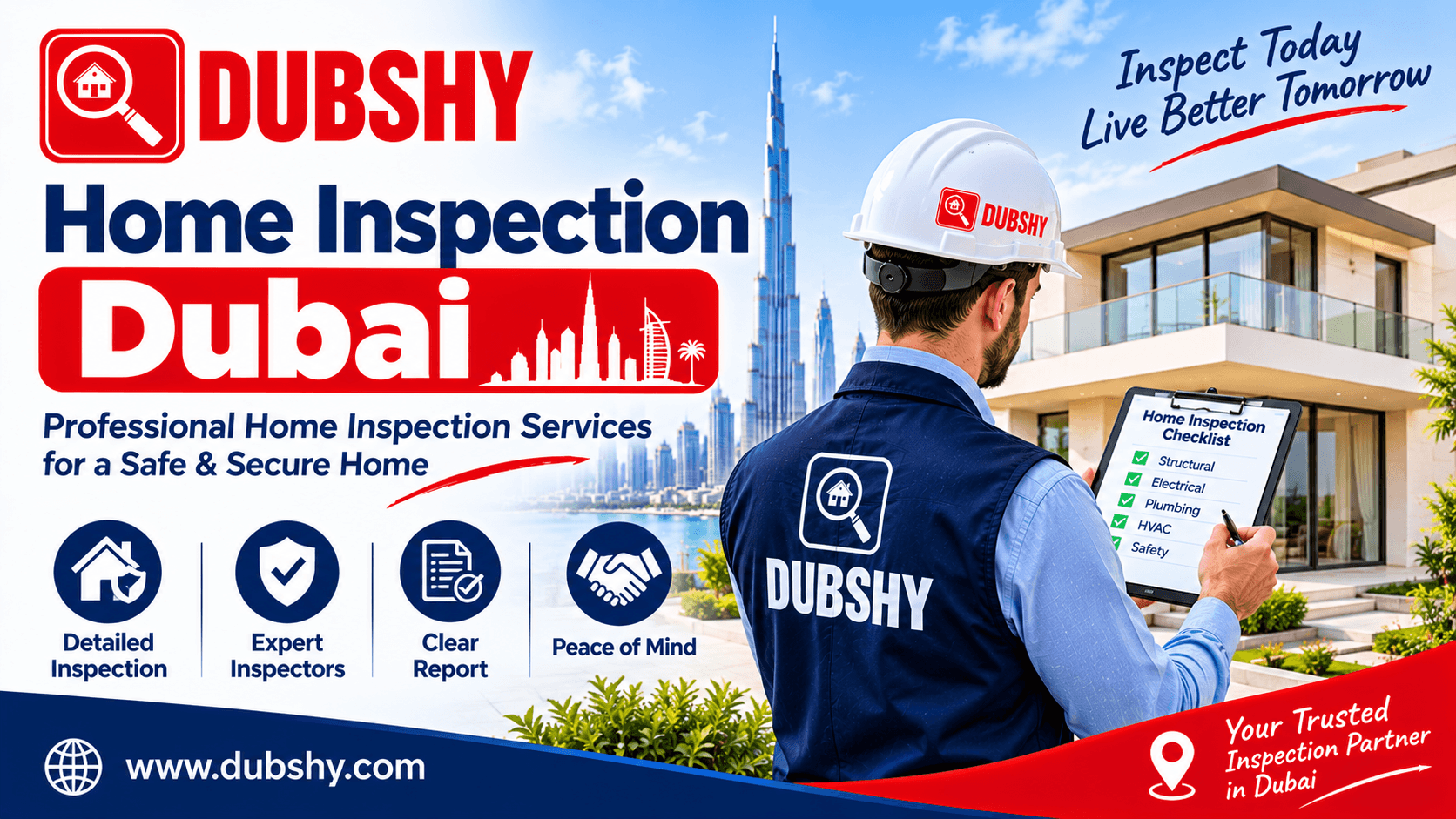
Dubai has become an attractive destination for property buyers and investors because of its modern residential developments, growing communities, and wide range of housing options. From high-rise apartments to spacious villas, buyers have many properties to consider. However, choosing the right home involves more than comparing prices, locations, and interior designs. Home Inspection Dubai services help buyers understand the actual condition of a property by identifying visible defects, checking essential installations, and highlighting maintenance concerns before a purchase or handover.
A newly renovated home or recently completed apartment may still have problems that are difficult to notice during a normal viewing. Faulty electrical fittings, leaking pipes, damaged waterproofing, and poorly installed air conditioning components can create inconvenience and additional expenses. A professional home inspection provides a structured assessment of accessible property areas, helping buyers and homeowners make informed decisions and protect their investments.
2. Understanding the Home Inspection Process
A home inspection is a systematic examination of a residential property to evaluate its physical condition and identify visible defects. It involves checking different building components, testing accessible installations, and documenting issues that may require repair or further investigation.
In Dubai, property inspections are useful for apartments, villas, townhouses, newly constructed homes, and resale properties.
What Happens During an Inspection?
A typical inspection follows several steps:
-
Initial assessment: The inspector reviews the property layout, size, age, and general condition.
-
Visual examination: Walls, ceilings, floors, windows, doors, and other accessible components are checked.
-
Functional testing: Accessible electrical, plumbing, drainage, and cooling systems are examined.
-
Defect documentation: Identified problems are recorded with descriptions and photographs.
-
Report preparation: The inspector prepares findings and recommendations for corrective work.
The inspection scope should be agreed upon before the appointment so that the property owner understands which areas and systems will be assessed.
3. Important Areas Covered by Home Inspection Dubai Services
A detailed inspection examines the major components that influence a property's functionality, safety, and maintenance requirements.
Structural Condition and Building Finishes
The condition of walls, ceilings, floors, and other accessible structural elements is an important part of property assessment.
Inspectors look for visible cracks, uneven surfaces, damaged plaster, loose tiles, and signs of water penetration.
For example, cracks around windows or doors may indicate movement or poor finishing. Their significance depends on their size, location, and pattern. Serious concerns should be referred to a qualified structural engineer.
Electrical Systems and Fittings
Electrical installations need to function properly to support everyday household activities.
During an inspection, accessible switches, sockets, distribution boards, and visible wiring are examined. Inspectors may identify loose connections, damaged fittings, exposed wires, or incorrectly installed accessories.
Electrical defects that present potential safety risks should be assessed by a qualified electrician.
Plumbing and Drainage
Plumbing problems can cause water damage, unpleasant smells, and unnecessary maintenance expenses.
Inspectors generally check taps, showers, toilets, sinks, visible pipes, and drainage points.
Common defects include:
-
Leaking pipe connections.
-
Slow-draining sinks and showers.
-
Damaged toilet fittings.
-
Low water pressure.
-
Moisture beneath kitchen cabinets.
-
Water stains around bathroom walls.
Early identification helps homeowners arrange repairs before the damage spreads.
Air Conditioning and Ventilation
Air conditioning is one of the most important systems in Dubai homes because of the hot climate. An inefficient cooling system can affect indoor comfort and increase energy consumption.
Inspectors may examine thermostat operation, accessible AC units, airflow, visible ductwork, and condensate drainage.
Weak cooling, unusual sounds, blocked filters, and water leakage are common warning signs that require attention.
Kitchens and Bathrooms
Kitchens and bathrooms contain several installations that are exposed to frequent use and moisture.
A professional inspection may cover kitchen cabinets, countertops, sinks, taps, bathroom fixtures, tiles, grout, and silicone sealing.
Damaged sealants around showers and bathtubs can allow water to penetrate surrounding surfaces. Regular inspection and timely replacement of deteriorated sealants can help prevent moisture damage.
Windows, Doors, and Balconies
Windows and doors should operate smoothly and provide suitable sealing. Inspectors check hinges, handles, locks, frames, and visible gaps.
Balconies also require attention because damaged drainage points or waterproofing can lead to water accumulation and leakage into nearby rooms.
4. Why Should You Arrange a Property Inspection Before Buying?
Buying a property without understanding its condition can expose buyers to unnecessary financial risks. An inspection helps reduce uncertainty by providing documented information about existing defects.
Avoid Unexpected Maintenance Expenses
A small defect can become a major repair issue when ignored. For example, a leaking pipe behind a kitchen cabinet may initially appear harmless but can eventually damage wooden surfaces and nearby flooring.
Identifying such problems before purchasing gives buyers a better understanding of possible repair costs.
Support Property Price Negotiations
Inspection findings can provide useful evidence during purchase negotiations.
If an inspector identifies damaged flooring, plumbing problems, or faulty installations, buyers can discuss repair arrangements or negotiate the purchase terms with the seller.
Improve Property Safety
Electrical problems, loose fixtures, damaged stair railings, and other visible hazards can affect household safety.
An inspection helps identify these concerns so that appropriate professionals can investigate and correct them.
Understand Long-Term Maintenance Needs
Not every defect requires immediate repair. Some findings may involve routine maintenance, while others need urgent attention.
A detailed report helps property owners prioritize work and plan future maintenance budgets.
5. When Is the Right Time to Book a Home Inspection?
The timing of an inspection can influence how useful its findings are.
Before Property Purchase
Buyers should ideally arrange an inspection before completing the transaction. This provides an opportunity to discuss defects with the seller while purchase arrangements are still being finalized.
Before Developer Handover
New properties may contain construction defects even when they appear complete.
Common examples include:
-
Poor paint application.
-
Scratched glass.
-
Loose tiles.
-
Misaligned doors.
-
Leaking taps.
-
Faulty electrical switches.
-
Improper AC drainage.
A pre-handover inspection helps buyers prepare a snagging list and request corrections from the developer.
Before Moving Into a Rental Property
Tenants should document existing damage before taking possession. This can help establish the property's original condition and reduce disagreements when the tenancy ends.
During Property Ownership
Existing homeowners should consider an inspection when they notice unusual cracks, persistent moisture, drainage problems, or changes in cooling performance.
6. How to Select a Reliable Home Inspection Company
Choosing an experienced inspection provider is essential for obtaining useful and accurate findings.
Consider these factors before making a decision:
Experience: Look for professionals familiar with residential properties and common construction issues in Dubai.
Technical knowledge: Ask about relevant training, qualifications, and experience with different building systems.
Inspection coverage: Confirm whether the service includes plumbing, electrical installations, AC systems, waterproofing, and finishing.
Reporting standards: Request a sample report to understand how defects are described and documented.
Inspection equipment: Ask whether the company uses appropriate equipment, such as moisture meters and thermal imaging devices, when required.
Transparent pricing: Understand the service charges, inspection limitations, and additional testing fees.
A reliable company should explain its inspection scope clearly rather than promising to identify every possible defect.
7. Common Challenges and Considerations
Although home inspections provide valuable information, buyers should understand their limitations.
Concealed Defects
Some problems are located behind walls, under flooring, or inside fixed installations. A standard visual inspection cannot identify every concealed issue.
Additional testing or specialist investigation may be necessary when warning signs are present.
Access Restrictions
Inspectors may be unable to examine locked service rooms, inaccessible ceiling spaces, or areas covered by furniture and personal belongings.
Preparing the property before the appointment can improve inspection coverage.
Environmental Conditions
Dubai's hot climate places considerable pressure on cooling systems. An inspection conducted under limited operating conditions may not fully demonstrate how an AC system performs during peak summer demand.
Buyers should discuss the testing conditions and request specialist HVAC assessment if needed.
Understanding the Inspection Report
Not every reported defect has the same level of importance. A minor paint issue is different from a significant water leak or electrical safety concern.
Buyers should ask the inspector to explain the severity of findings and identify which problems require immediate attention.
8. Practical Benefits and Key Insights
A professional inspection provides several advantages beyond identifying visible damage.
-
Better decision-making: Buyers receive practical information about the property's condition.
-
Cost management: Early defect identification supports more accurate repair budgeting.
-
Property protection: Timely maintenance can prevent some problems from becoming more serious.
-
Clear documentation: Photographic reports provide records of identified defects.
-
Improved comfort: Functional checks help identify issues affecting cooling, plumbing, and everyday use.
-
Greater confidence: Buyers can evaluate properties based on their condition rather than appearance alone.
One important consideration is that a home inspection is not the same as a complete structural survey or specialist engineering assessment. Buyers should arrange additional professional testing when the inspection identifies concerns outside its scope.
9. Frequently Asked Questions (FAQs)
1. Why Is Home Inspection Dubai Important?
Home inspection helps buyers and homeowners identify visible property defects, assess accessible installations, and understand maintenance requirements. It can reduce unexpected repair expenses and support better property decisions.
2. How Much Time Does a Home Inspection Take?
The duration depends on property size, layout, condition, and inspection scope. Smaller apartments generally require less time than large villas with multiple rooms and outdoor facilities.
3. Can a Home Inspection Identify Water Leakage?
Yes. Inspectors can identify visible leakage, moisture stains, and suspicious damp areas. Appropriate moisture detection equipment may also help investigate potential problems, although concealed leaks can require specialist testing.
4. Should I Inspect a New Apartment Before Handover?
Yes. New apartments can contain finishing and installation defects. A pre-handover inspection helps identify these problems so buyers can report them to the developer before accepting the property.
5. What Should I Receive After a Professional Inspection?
You should receive a written report explaining identified defects, supported by photographs where appropriate. The report should also include recommendations and clarify any areas that could not be inspected.
10. Conclusion
Understanding a property's actual condition is an essential part of purchasing, renting, or maintaining a home. Home Inspection Dubai services provide buyers and homeowners with a practical way to identify visible defects, examine important installations, and understand potential maintenance concerns.
From electrical systems and plumbing to air conditioning, waterproofing, and internal finishing, a detailed inspection helps reveal problems that may otherwise remain unnoticed during an ordinary property viewing.
Whether you are purchasing a newly developed apartment, investing in a resale villa, or preparing for property handover, a professional inspection can help you make informed decisions and manage future expenses. Selecting an experienced inspection company and carefully reviewing its findings are important steps towards protecting your property investment.

 Arabic
 French
 Spanish
 Portuguese
 Deutsch
 Turkish
 Dutch
 Italiano
 Russian
 Romaian
 Portuguese (Brazil)
 Greek