


Introduction
Electrical safety is one of the most important considerations in residential, commercial, and industrial installations. Choosing appropriate protection devices helps prevent equipment damage, electrical faults, and potential fire hazards. A miniature circuit breaker protects individual electrical circuits, while MCCB breakers are commonly used in larger electrical distribution systems. Jawad Electric provides electrical products and solutions designed to support dependable power distribution and circuit protection.
Modern electrical installations require protection devices that can respond quickly to abnormal current conditions. Understanding different circuit breaker types helps electricians, contractors, and businesses select suitable equipment according to their electrical requirements. Both MCBs and MCCBs play important roles in maintaining safe and efficient electrical systems.
Understanding Miniature Circuit Breakers
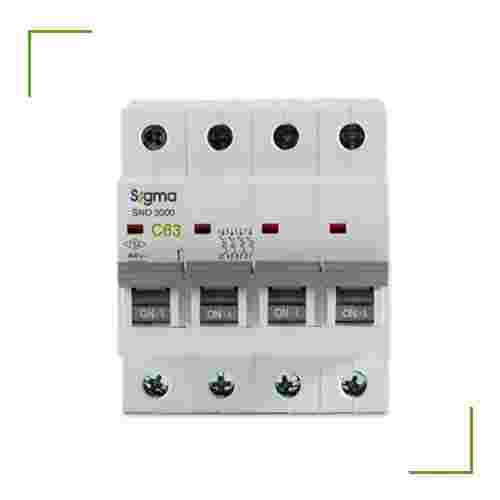
A miniature circuit breaker (MCB) is an automatic electrical protection device that disconnects a circuit when an overload or short circuit occurs. It prevents excessive current from damaging electrical wiring and connected appliances.
MCBs are widely installed in homes, offices, shops, and commercial buildings. Their compact design makes them suitable for distribution boards containing multiple individual circuits. Unlike traditional fuses, circuit breakers can generally be reset after the fault has been identified and corrected.
What Are MCCB Breakers?
MCCB breakers, also known as Molded Case Circuit Breakers, are designed to protect electrical systems with higher current requirements. They provide protection against overloads and short circuits in demanding electrical applications.
These breakers are commonly used in factories, industrial facilities, commercial buildings, generators, and main distribution panels. Depending on the model, they may include adjustable trip settings that allow electrical professionals to configure protection according to system requirements.
Their construction and higher current-handling capabilities make them suitable for installations where standard MCBs may not provide sufficient protection.
Difference Between MCB and MCCB
Although both devices protect electrical circuits, their applications and technical specifications differ.
MCBs are generally used for lower-current applications, including lighting, sockets, and residential distribution boards. MCCBs are designed for higher-current installations and larger electrical loads.
Some important differences include:
-
Current capacity: MCBs generally support lower current ratings, whereas MCCBs cover higher ranges.
-
Applications: MCBs are common in residential buildings, while MCCBs are frequently used in industrial environments.
-
Trip settings: Many MCCBs offer adjustable protection settings, while conventional MCBs usually have fixed characteristics.
-
Breaking capacity: MCCBs are available with higher fault-interruption capacities depending on their specifications.
Understanding these differences helps ensure the correct protection device is selected.
Importance of Proper Circuit Protection
Electrical faults can create serious risks for buildings, equipment, and people. Installing suitable protection devices helps disconnect power when abnormal electrical conditions occur.
A miniature circuit breaker provides protection for individual circuits, whereas MCCB breakers help safeguard larger electrical distribution systems. Selecting the correct ratings and ensuring proper installation are essential for effective protection.
Regular inspections by qualified electricians can also help identify loose connections, damaged components, and other electrical problems before they become serious.
Choosing the Right Circuit Breaker
Selecting an appropriate circuit breaker requires careful consideration of the electrical installation. Important factors include current rating, voltage rating, breaking capacity, connected load, and operating environment.
For residential applications, MCBs are commonly suitable for individual circuits. Commercial and industrial installations may require MCCBs depending on their electrical loads and protection requirements.
Jawad Electric supports electrical professionals and customers by providing electrical products and solutions for different installation needs. Choosing suitable equipment and consulting experienced electricians can help improve electrical safety and system reliability.
FAQs
1. What is a miniature circuit breaker used for?
A miniature circuit breaker protects electrical circuits against overloads and short circuits by automatically disconnecting the power supply.
2. What are MCCB breakers used for?
MCCB breakers are commonly used in industrial and commercial electrical installations where higher current protection is required.
3. What is the difference between MCB and MCCB?
MCBs generally protect smaller electrical circuits, while MCCBs are designed for larger electrical systems with higher current requirements.
4. Can an MCB be reset after tripping?
Yes. Once the electrical fault has been identified and corrected, an MCB can generally be reset manually.
5. How do I choose the right circuit breaker?
Consider the electrical load, current rating, voltage, breaking capacity, and installation requirements. A qualified electrician can help determine the appropriate device.
Conclusion
Reliable electrical protection is essential for maintaining safe and efficient power distribution. Understanding the applications of a miniature circuit breaker and MCCB breakers helps homeowners, contractors, and industrial professionals make informed decisions. From residential distribution boards to demanding industrial installations, selecting suitable circuit protection equipment can reduce electrical risks and protect valuable equipment. Jawad Electric remains focused on supporting electrical requirements with dependable products and solutions for modern electrical systems.

 English
 French
 Spanish
 Portuguese
 Deutsch
 Turkish
 Dutch
 Italiano
 Russian
 Romaian
 Portuguese (Brazil)
 Greek