


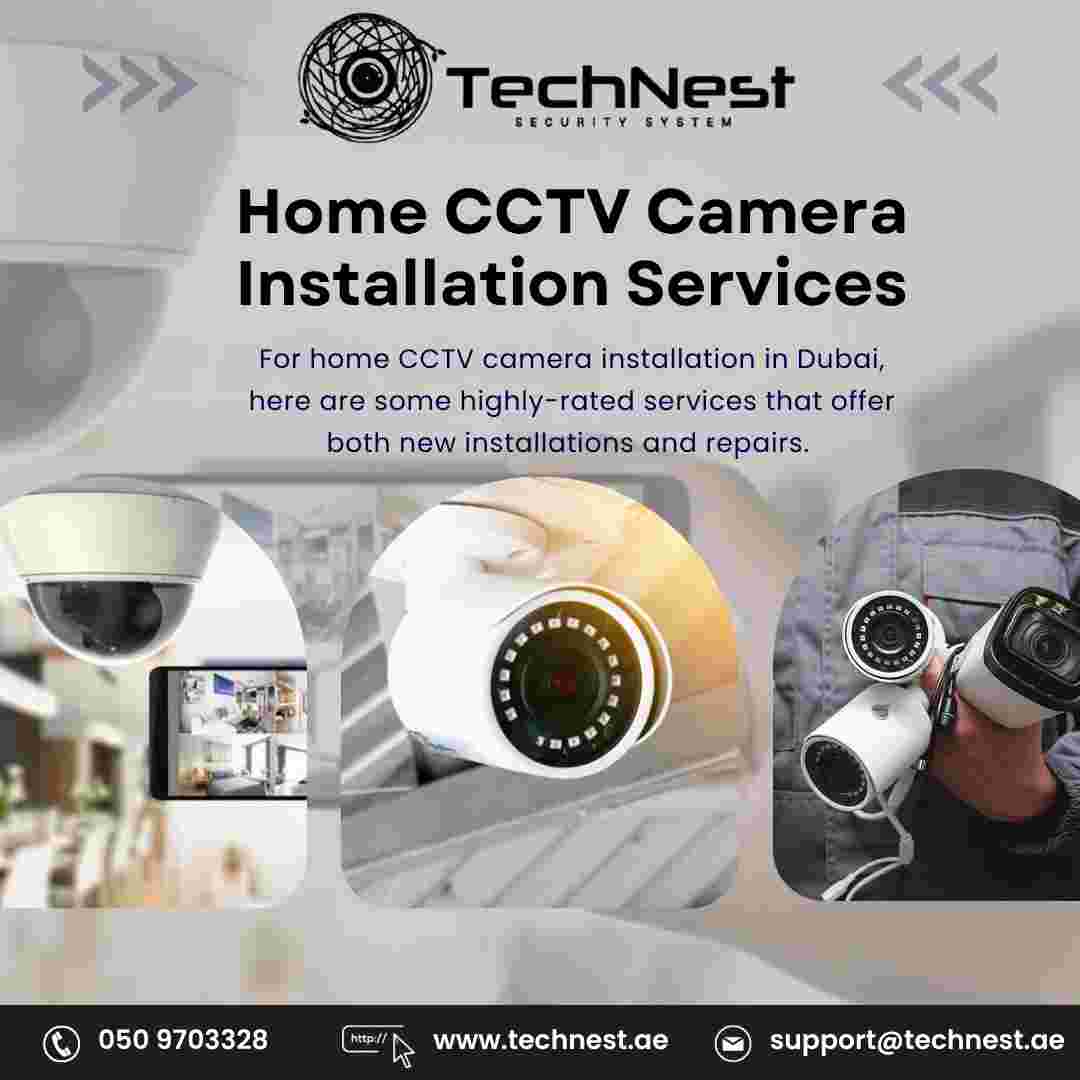
Home security has become an important concern for families and property owners. Whether you live in an apartment, independent house, or villa, keeping your property and loved ones safe is a priority. Modern security technology makes it easier to monitor residential spaces and stay informed about activities around your home. Installing a reliable CCTV system is one practical way to improve home surveillance and maintain better security awareness.
Professional Home CCTV Camera Installation Services help homeowners choose suitable cameras, identify important monitoring locations, and set up reliable recording systems. From monitoring main entrances to keeping an eye on parking areas and outdoor spaces, a properly installed CCTV system provides convenient surveillance and greater peace of mind.
Why Is Home CCTV Camera Installation Important?
A home CCTV system allows residents to monitor different areas of their property through live video and recorded footage. It provides better visibility around entrances, corridors, gardens, balconies, and other important locations.
Here are some reasons homeowners consider installing CCTV cameras:
-
Improved Home Security: Monitor important areas and identify unusual activities.
-
Remote Monitoring: View live camera footage through compatible mobile applications.
-
Recorded Footage: Review recorded videos when an incident needs investigation.
-
Entrance Monitoring: Keep track of visitors and activity around entry points.
-
Outdoor Surveillance: Monitor gardens, parking spaces, gates, and property boundaries.
-
Convenient Management: Manage compatible cameras through a centralized recording system.
A properly designed surveillance system can help homeowners monitor their surroundings more effectively.
Different Types of CCTV Cameras for Home Security
Selecting the right camera depends on your property layout, lighting conditions, and surveillance requirements. Different camera types offer different features.
1. Dome CCTV Cameras
Dome cameras are commonly used for indoor home surveillance. Their compact design makes them suitable for living areas, hallways, entrances, and other indoor spaces.
2. Bullet CCTV Cameras
Bullet cameras are suitable for outdoor monitoring. They can be installed near gates, driveways, parking areas, and building entrances. Weather-resistant models are available for outdoor environments.
3. Wireless CCTV Cameras
Wireless cameras transmit video through a compatible wireless network. They can reduce the requirement for extensive video cabling, although suitable power and network connectivity are still necessary.
4. IP CCTV Cameras
IP cameras transmit digital video through a network and offer different resolution options. Many models support remote viewing, motion detection, and other smart monitoring features.
5. Night Vision CCTV Cameras
Night vision cameras help capture footage in low-light environments. They are useful for monitoring entrances, gardens, parking spaces, and outdoor areas after dark.
6. PTZ Cameras
Pan-Tilt-Zoom cameras allow users to adjust the camera direction and zoom into specific areas. They may be useful for larger residential properties that require flexible monitoring.
Best Places to Install CCTV Cameras at Home
Camera placement plays an important role in the effectiveness of a home surveillance system. Before installation, homeowners should identify areas that require regular monitoring.
Main Entrance: Installing a camera near the front door helps monitor visitors and entry activity.
Back Door: Rear entrances can benefit from additional surveillance coverage.
Parking Area: CCTV cameras can monitor vehicles and activities around driveways and garages.
Garden and Outdoor Spaces: Suitable outdoor cameras help monitor property boundaries and garden areas.
Hallways and Common Areas: Indoor cameras can provide additional visibility around shared spaces.
Camera placement should respect the privacy of household members, neighbours, and visitors. Avoid directing cameras into private areas outside your property.
Benefits of Professional Home CCTV Installation
Although some cameras are designed for simple DIY installation, a complete surveillance system may require professional planning and configuration.
Professional technicians can assess the property and recommend appropriate camera locations, viewing angles, and recording equipment.
Important benefits include:
-
Proper camera positioning for improved coverage.
-
Professional cable installation and management.
-
Correct DVR and NVR configuration.
-
Network setup for remote camera access.
-
Suitable recording and storage settings.
-
System testing and troubleshooting.
-
Technical assistance and maintenance.
Professional installation helps ensure that the equipment works as expected and that important areas are not unnecessarily left uncovered.
Important Features to Consider Before Buying Home CCTV Cameras
Choosing a CCTV camera requires more than comparing prices. Understanding the available features can help you select equipment that matches your requirements.
High-Resolution Video
Camera resolution determines the level of detail in recorded footage. Higher-resolution cameras can provide clearer images, which may help identify people and objects.
Night Vision
Night vision technology supports surveillance in dark environments. Check the camera's low-light performance and infrared range before purchasing.
Motion Detection
Motion detection identifies movement within the camera's viewing area. Depending on the model, the system may send alerts or start recording when movement is detected.
Mobile App Connectivity
Many modern CCTV cameras support mobile applications that allow authorized users to view live footage and recordings remotely.
Storage Capacity
Recording systems require suitable storage for retaining video footage. Storage requirements depend on camera resolution, recording schedules, the number of cameras, and desired retention periods.
Weather Resistance
Outdoor cameras should have suitable protection against rain, dust, and changing weather conditions. Check the manufacturer's weather-resistance specifications before installation.
Understanding DVR and NVR Systems for Home Surveillance
Recording equipment is an important part of a complete home CCTV setup.
A Digital Video Recorder (DVR) is commonly used with compatible analogue security cameras. It receives video signals and stores recordings on an attached storage device.
A Network Video Recorder (NVR) is designed for compatible IP cameras and records digital video transmitted through a network.
Both systems offer different installation requirements and capabilities. Your choice should depend on the type of cameras, property layout, storage needs, and budget.
Wireless vs Wired CCTV Camera Installation
Homeowners often compare wired and wireless CCTV systems before making a purchase.
Wired CCTV Systems: These systems use physical cables to connect cameras with recording equipment. They can provide stable connectivity and are suitable for larger installations.
Wireless CCTV Systems: These systems use wireless networks for video transmission. They may offer greater installation flexibility and can be convenient for selected residential environments.
The right option depends on network availability, property structure, camera locations, and installation preferences.
How Much Does Home CCTV Installation Cost?
The cost of installing a home surveillance system depends on several factors, including the number of cameras, camera resolution, equipment brand, recording device, storage capacity, and installation complexity.
A small apartment may require only a few cameras, while a larger villa may need additional indoor and outdoor coverage.
Other expenses may include cables, power supplies, network equipment, mounting accessories, and professional installation charges.
It is advisable to request a detailed quotation before starting the project. Compare camera specifications, warranty coverage, storage options, and installation services instead of choosing a system based only on its initial price.
Home CCTV Camera Maintenance and Support
Regular maintenance helps maintain camera performance and recording reliability. Dust, loose connections, damaged cables, and storage issues can affect the surveillance system.
Homeowners should periodically check camera images, clean lenses, inspect connections, verify recording functions, and review remote access settings.
Professional technicians can also help with software updates, troubleshooting, equipment replacement, and system upgrades.
How to Choose the Right Home CCTV Installation Company
Selecting an experienced CCTV installation provider is important for getting a suitable surveillance system.
Before hiring a company, consider its installation experience, technical expertise, equipment options, warranty terms, and after-sales support.
A dependable provider should offer site inspection, camera recommendations, installation, configuration, testing, and maintenance services.
Also ensure that the proposed camera placement and recording practices comply with applicable privacy requirements.
Conclusion
Home security requires the right combination of suitable equipment, proper camera placement, and reliable installation. Modern CCTV cameras offer useful features such as high-definition recording, night vision, motion detection, and remote monitoring.
Choosing professional Home CCTV Camera Installation Services can help homeowners create a dependable surveillance system that meets their residential security needs. With suitable cameras, correct configuration, and regular maintenance, you can improve home monitoring and enjoy greater confidence in your property's security.

 Arabic
 French
 Spanish
 Portuguese
 Deutsch
 Turkish
 Dutch
 Italiano
 Russian
 Romaian
 Portuguese (Brazil)
 Greek