


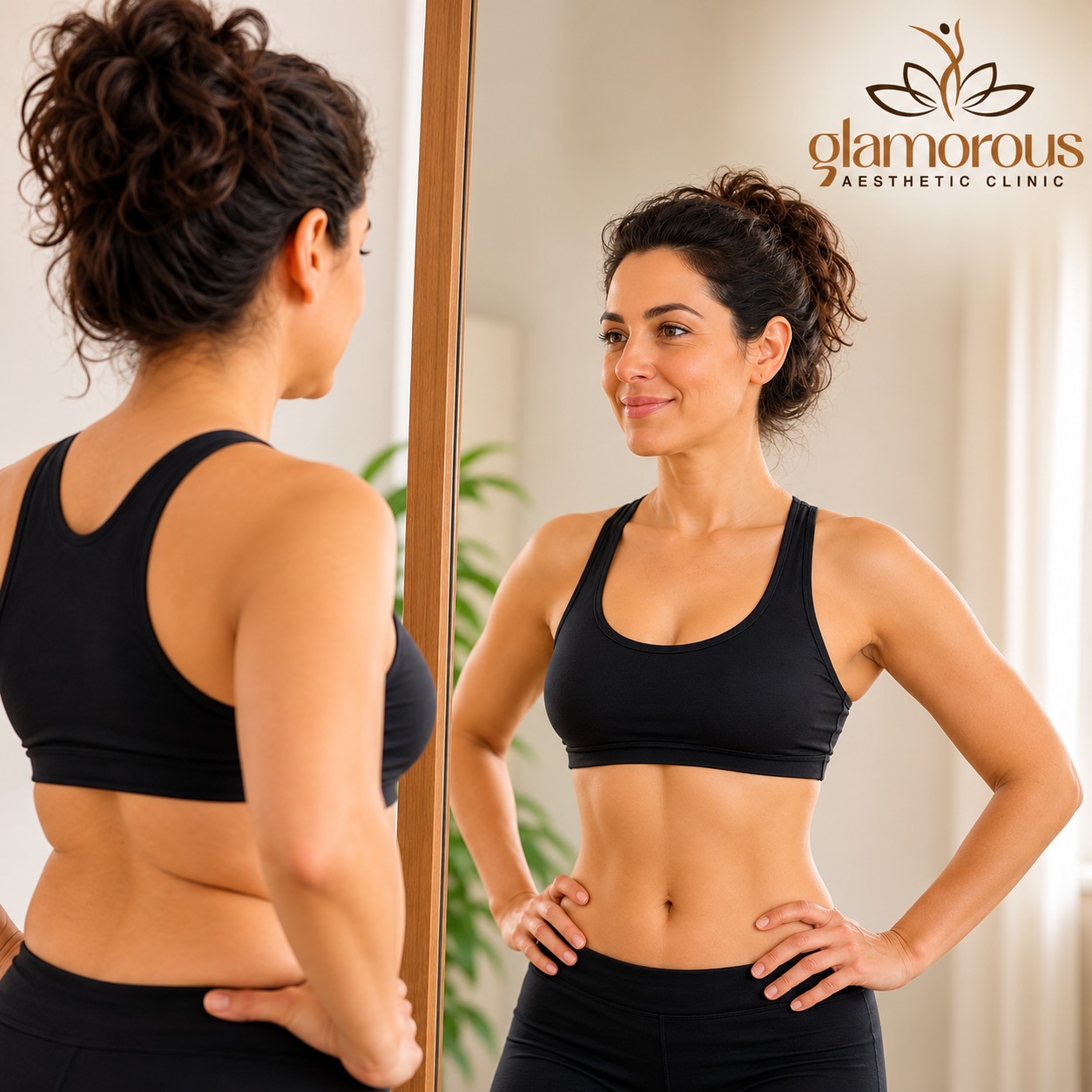
Love handles are one of the most frustrating areas of the body for many people. They often remain even after months of exercise and careful eating. The fat around the sides of the waist can make clothes fit poorly and affect confidence. Many people now consider Liposuction in Islamabad when diet and workouts stop making a difference. This procedure targets stubborn fat pockets that do not respond well to lifestyle changes. It reshapes the waist by permanently removing fat cells from the treated area. Understanding how it works helps you decide whether it is right for you.
Why Love Handles Are So Hard to Lose?
Love handles form when fat collects above the hips and around the lower back. Genetics play a major role in where your body stores fat. Hormones, age, and lifestyle also influence how these deposits develop. Some people are slim everywhere else yet still carry a roll of fat at the sides. Others notice it appearing after pregnancy, weight gain, or years of a sedentary routine.The trouble is that the body does not burn fat evenly. Even when you lose weight overall, the fat at the flanks is often the last to go. Crunches and side bends strengthen the muscles underneath but cannot reduce the fat layer sitting above them. This is why many people turn to a procedure that addresses the problem directly.
How Liposuction Works on the Flanks?
Liposuction is a surgical procedure that removes localized fat deposits through small incisions. The surgeon places thin tubes called cannulas under the skin and gently breaks up and suctions out the unwanted fat. Because the incisions are tiny, scarring is usually minimal and easy to conceal.The flanks are considered one of the most suitable areas for this treatment. The fat there is oftenwell defined, and the skin in that region tends to respond well to contouring. Surgeons may treat the lower back and upper hips at the same time to create a more balanced waistline. Treating the surrounding areas prevents an uneven look and gives the body a smoother transition from the ribs to the hips.
Improving Body Shape and Proportion
The biggest change people notice is a more defined waistline. When the bulge at the sides is reduced, the body takes on a slimmer and more proportionate outline. Clothes drape better, and garments that once felt tight around the midsection become more comfortable.Liposuction does not simply make you smaller. It sculpts. A skilled surgeon considers your natural shape, the amount of fat present, and the look you want to achieve. The goal is a natural result, not an overly thin or unnatural contour. Subtle refinement often looks far better than aggressive removal.
The Benefit of Permanent Fat Cell Removal
Fat cells removed during liposuction do not grow back in the treated area. This is one of the main reasons the results can last for many years. However, the remaining fat cells in your body can still expand if you gain a significant amount of weight. Maintaining a stable weight with balanced nutrition and regular activity is essential to keep your results looking good over time.
Who Makes a Good Candidate?
The best candidates are people at or near their ideal body weight who have firm, elastic skin and localized fat that resists diet and exercise. Good general health is important, and realistic expectations are even more so. Liposuction is a body contouring procedure, not a weight loss solution. It is not meant for treating obesity.People with loose or sagging skin may need additional procedures, because suctioning fat alone cannot tighten excess skin. A thorough consultation helps determine whether liposuction alone is enough or whether a combined approach would give better results.
What to Expect During the Procedure?
Before the procedure, the surgeon examines the area, discusses your goals, reviews your medical history, and explains the risks and benefits. Treatment areas are often marked while you are standing so the surgeon can plan the contour accurately.Liposuction is performed under local anesthesia with sedation or general anesthesia, depending on the extent of the treatment. The duration varies, but flank liposuction often takes one to two hours. Many patients go home the same day and rest under the care of a family member.
Recovery and Healing
Some swelling, bruising, and tenderness are normal after the procedure. Your surgeon will usually recommend wearing a compression garment for several weeks. This garment helps reduce swelling, supports the healing tissues, and encourages the skin to settle smoothly over the new contour.Most people return to light daily activities within a few days and resume exercise after a few weeks, as advised by their surgeon. Swelling gradually decreases over time, and the final shape becomes clearer after a few months. Patience is important, since the body needs time to heal fully.
Safety and Choosing the Right Surgeon
Like any surgical procedure, liposuction carries risks, including infection, contour irregularities, fluid collection, and changes in skin sensation. Choosing a qualified, experienced surgeon significantly lowers these risks. Look for proper credentials, a clean and well-equipped facility, and a surgeon who takes time to explain the process honestly.A good surgeon will never promise perfection or pressure you into a decision. They will explain what is realistic for your body and give you clear instructions for before and after the procedure. Asking to see before-and-after photos of previous patients can also help you understand the surgeon’s style and skill.
Supporting Your Results with a Healthy Lifestyle
The procedure works best when paired with healthy habits. Regular exercise, a balanced diet, and good hydration help maintain your new shape. Strength training in particular can enhance the waistline by building muscle tone beneath the treated area. Liposuction gives you a fresh starting point, and your daily choices determine how well the results last.
Conclusion
Love handles can be stubborn and discouraging, especially when you have already put in plenty of effort through diet and exercise. Liposuction offers a reliable way to remove these resistant fat deposits and create a smoother, more balanced waistline. With careful planning, realistic expectations, and a skilled surgeon, the results can be both natural-looking and long-lasting. If you are considering this treatment, a consultation with a qualified professional is the best first step toward understanding your options and deciding what is right for your body.

 Arabic
 French
 Spanish
 Portuguese
 Deutsch
 Turkish
 Dutch
 Italiano
 Russian
 Romaian
 Portuguese (Brazil)
 Greek