


Meta Description: Learn how dentists treat sensitive gums through professional cleaning, gum disease management, improved oral hygiene, and personalized dental care.
Introduction:
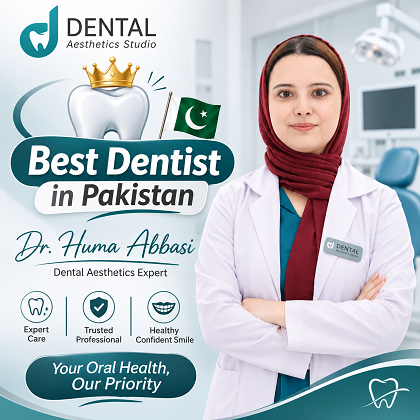
Dr. Huma Abbasi is an experienced Restorative Dentist and Certified Aesthetic Physician at Dental Aesthetics Studio. She is dedicated to providing personalized and compassionate dental care while helping patients maintain healthy, confident smiles. Her clinical experience and commitment to patient satisfaction make her a professional choice for individuals searching for the Best Dentist in Pakistan.
Sensitive gums can cause discomfort during brushing, eating, and drinking. Some people experience tenderness, swelling, or bleeding when touching their gums. These symptoms may result from plaque buildup, gum inflammation, brushing too aggressively, or other oral health conditions. Dentists identify the underlying cause and recommend suitable treatments to improve gum health and reduce discomfort.
1. Identify the Cause of Gum Sensitivity:
The first step in treating sensitive gums is finding out why the discomfort is occurring. A dentist examines the gums, checks for inflammation, and looks for signs of plaque buildup, gum recession, or infection.
The examination may also include checking the teeth for cavities and other problems that can contribute to oral discomfort. Identifying the cause helps the dentist recommend appropriate treatment rather than simply managing the symptoms.
2. Professional Teeth Cleaning Removes Plaque:
Plaque is a sticky layer of bacteria that accumulates on teeth and around the gumline. When it is not removed properly, it can harden into tartar and irritate the gums.
Professional teeth cleaning removes plaque and tartar from accessible tooth surfaces. This can help reduce gum inflammation and support healthier gum tissue. Patients may experience temporary sensitivity after cleaning, particularly if their gums were already inflamed.
3. Treat Gingivitis Before It Progresses:
Gingivitis is an early stage of gum disease that commonly causes redness, swelling, tenderness, and bleeding during brushing.
Dentists may recommend professional cleaning and improved daily oral hygiene to control plaque buildup. With appropriate care, early gum inflammation can often improve. Treating gingivitis promptly also helps reduce the risk of more advanced periodontal problems.
4. Deep Cleaning for Advanced Gum Problems:
When plaque and tartar collect below the gumline, a routine cleaning may not be sufficient. Dentists may recommend scaling and root planing, a deep-cleaning procedure used to remove deposits from around tooth roots.
This treatment helps manage periodontal disease and allows the gum tissues to heal. The need for additional appointments depends on the severity of the condition and the patient's response to treatment.
5. Recommend a Soft-Bristled Toothbrush:
Brushing too aggressively can irritate gum tissue and contribute to gum recession. A dentist may recommend switching to a soft-bristled toothbrush and using gentle circular movements.
Avoid applying excessive pressure while brushing. Cleaning carefully along the gumline helps remove plaque without unnecessarily irritating sensitive tissues.
6. Suggest Suitable Oral Hygiene Products:
Certain toothpaste and mouthwash products may help manage specific causes of gum sensitivity. A dentist may recommend a fluoride toothpaste or a suitable product for sensitive teeth, depending on the patient's condition.
Patients should avoid using harsh or abrasive products without professional advice. If a particular product causes irritation, discuss it with your dentist.
7. Address Gum Recession:
Gum recession occurs when gum tissue moves away from the teeth, exposing part of the tooth root. This can cause sensitivity and make teeth more vulnerable to decay.
Treatment depends on the amount of recession and its underlying cause. A dentist may recommend improved brushing techniques, management of gum disease, or referral for a gum graft procedure in selected cases.
8. Treat Dental Problems That Affect the Gums:
Sensitive gums may sometimes occur alongside cavities, cracked teeth, poorly fitting dental restorations, or other dental conditions.
A dentist examines the affected area and recommends treatment according to the diagnosis. Options may include fillings, replacement of damaged restorations, or other procedures to address the underlying problem.
9. Follow Healthy Habits to Protect Your Gums:
Daily habits play an important role in maintaining healthy gum tissue. Patients can reduce irritation and plaque buildup by following simple preventive practices:
-
Brush twice daily with a soft-bristled toothbrush.
-
Floss gently or use suitable interdental cleaners.
-
Avoid aggressive brushing.
-
Limit frequent sugary snacks and drinks.
-
Avoid tobacco products.
-
Drink enough water throughout the day.
-
Attend regular dental checkups.
These habits support gum health and help reduce the risk of recurring inflammation.
10. When Should You Visit a Dentist?
You should arrange a dental appointment if gum sensitivity continues, becomes worse, or occurs with other symptoms. Warning signs include:
-
Bleeding gums during brushing.
-
Persistent redness or swelling.
-
Pain while chewing.
-
Gum recession or loose teeth.
-
Persistent bad breath.
-
Pus around the gums.
Severe swelling, fever, or rapidly worsening pain requires prompt professional assessment. Early treatment can help prevent complications.
Why Choose Dental Aesthetics Studio?
Treating sensitive gums requires identifying the underlying cause and selecting appropriate care. Dr. Huma Abbasi is an experienced Restorative Dentist and Certified Aesthetic Physician who focuses on personalized treatment and patient comfort.
At Dental Aesthetics Studio, patients can seek professional guidance about gum sensitivity, periodontal concerns, preventive dentistry, and restorative treatments. Regular examinations can help identify gum problems and support a suitable treatment plan.
Conclusion:
Dentists treat sensitive gums by addressing their underlying causes through professional cleaning, gum disease management, improved oral hygiene, and other suitable procedures. Early diagnosis and consistent home care can help reduce discomfort and protect gum health. If your gums remain sensitive or bleed regularly, arrange a dental examination instead of ignoring the symptoms.

 English
 Arabic
 French
 Spanish
 Portuguese
 Turkish
 Dutch
 Italiano
 Russian
 Romaian
 Portuguese (Brazil)
 Greek