


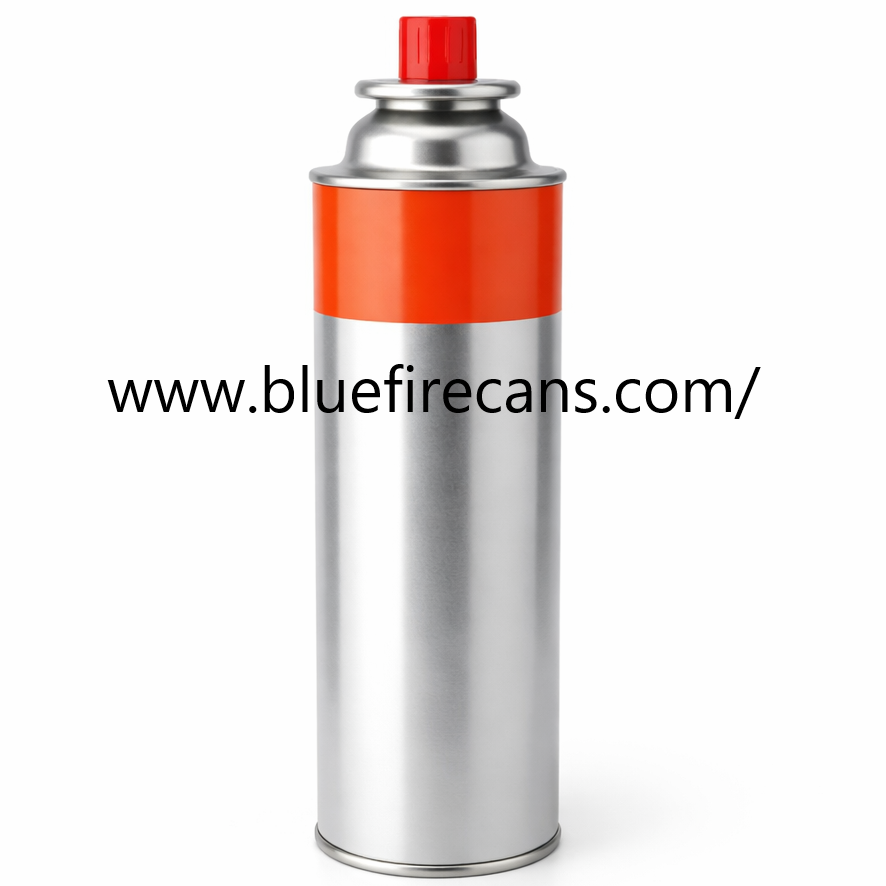
Butane Gas Cartridge Supplier selection requires careful consideration for importers, wholesalers, outdoor equipment distributors, and private-label businesses. Beyond comparing quotations, buyers should examine manufacturing arrangements, product specifications, sample availability, quality management, packaging options, and international shipping support. Understanding these details before placing an order helps businesses establish clear expectations and prepare purchasing plans that match their intended markets.
Identify Your Product Requirements
Before contacting a manufacturer, buyers should determine which product configuration is suitable for their intended application. Different portable appliances may require different capacities, dimensions, and connection structures.
Purchasers should prepare basic technical information, including:
Required container dimensions
Capacity and product configuration
Valve and connection specifications
Intended appliance and application
Estimated order quantity
Target sales market
Equipment instructions should be reviewed before selecting a compatible model. Buyers should not assume that products with similar appearances have identical connection requirements.
Providing a clear specification list during the initial inquiry allows manufacturers to understand the project and prepare more relevant product information.
Evaluate Samples Before Bulk Purchasing
A physical sample provides an opportunity to examine product details before confirming a larger order. Although photographs and technical descriptions are useful, they may not show every characteristic that matters during purchasing evaluation.
Buyers can check external appearance, dimensions, component assembly, label information, and packaging presentation. They should also compare the sample with the agreed technical specifications.
For appliance compatibility, the relevant equipment manufacturer's instructions should be followed. Any necessary evaluation should be carried out using appropriate procedures and by qualified personnel.
After reviewing a sample, buyers should record the accepted specifications and retain reference photographs. These records can help maintain consistency when discussing subsequent production arrangements.
Examine Manufacturing and Quality Management
Understanding the manufacturing process helps purchasers evaluate how materials and components are handled. Buyers can ask about container forming, valve assembly, material sourcing, production controls, and finished product inspection.
Quality management arrangements may include:
Incoming material identification
Container dimension checks
Component assembly inspections
Filling quantity verification
Appropriate leakage examinations
Applicable pressure-related testing
Finished product assessment
The specific inspection procedures should correspond with the product design and applicable regulations.
For certain non-refillable metallic cartridges intended for portable appliances, EN 417:2012 provides relevant requirements concerning materials, construction, inspection, testing, and marking. Buyers should verify whether this standard applies to their particular product.
It is also useful to ask how inspection results are documented and how products that do not meet agreed specifications are handled.
Understand the Details Behind Each Quotation
Price is an important part of commercial purchasing, but quotations should be evaluated according to the specifications and conditions they cover.
Before comparing different offers, buyers should confirm:
Product model and technical configuration
Minimum order quantity
Sample preparation costs
Customized printing charges
Packaging specifications
Payment conditions
Production and shipment schedules
A quotation that excludes certain packaging or customization requirements may not reflect the actual purchasing budget.
Purchasers should also clarify whether transportation expenses, export documentation, and other applicable charges are included. Written confirmation of these details can reduce misunderstandings during order processing.
Review Branding and Packaging Possibilities
Private-label projects often involve additional requirements beyond the physical product. Distributors may need customized labels, printed cartons, brand identification, and specific retail packaging arrangements.
Before discussing customization, buyers should prepare artwork files, color references, label dimensions, and packaging preferences.
It is important to confirm which printing methods are available and whether particular designs require additional preparation time or minimum quantities.
Sample approval should take place before customized production begins. Any revisions to artwork or product specifications should be documented so that both parties use the same approved information.
bluefirecans works with businesses interested in portable fuel container products and related manufacturing arrangements. Buyers can discuss product configurations, packaging preferences, and customized purchasing requirements when preparing their projects.
Check Export and Transportation Preparation
For international orders, transportation planning should be discussed before shipment dates are confirmed.
Depending on the product classification and destination, buyers may need to review commercial invoices, packing lists, product identification, applicable conformity documents, and transportation-related paperwork.
Portable fuel containers may be subject to specific dangerous-goods transportation requirements. Importers should coordinate with qualified logistics providers to confirm applicable classifications, packaging rules, and shipping procedures.
Other practical details include carton dimensions, gross weight, loading quantities, delivery terms, and estimated shipment schedules. Confirming these matters early can help businesses coordinate warehouse operations and inventory planning.
Establish Clear Communication for Repeat Orders
Long-term purchasing arrangements require clear communication and consistent documentation. Buyers should consider how technical questions, quotation revisions, sample feedback, and specification changes are handled.
For recurring orders, retaining an approved specification sheet can make future purchasing discussions easier. It should include the accepted product configuration, dimensions, valve details, packaging requirements, and inspection criteria.
Purchasers should also agree on how production updates are communicated and how changes are confirmed before implementation.Before starting a new sourcing project, prepare your technical requirements, estimated quantities, target market information, and packaging preferences. These details provide a practical basis for discussing product availability and manufacturing arrangements. To review available products and discuss your purchasing plans, visit https://www.bluefirecans.com/ and contact bluefirecans about your next order.

 English
 French
 Spanish
 Portuguese
 Deutsch
 Turkish
 Dutch
 Italiano
 Russian
 Romaian
 Portuguese (Brazil)
 Greek