


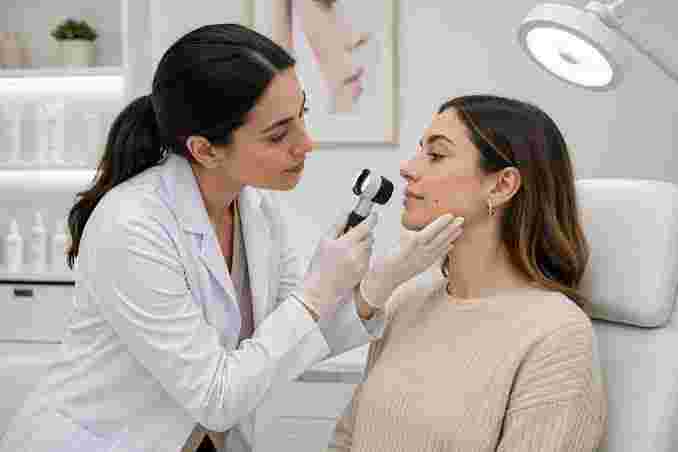
Healthy skin plays an important role in overall health, appearance, and confidence. However, factors such as pollution, sun exposure, hormonal changes, stress, ageing, and lifestyle habits can contribute to various skin concerns. Problems such as acne, pigmentation, allergies, scars, and hair loss may require more than a regular skincare routine. This is where a skin specialist plays an important role by providing professional diagnosis, personalized treatment, and guidance for maintaining healthy skin.
With advancements in dermatology, people now have access to several medical and aesthetic treatments that help manage different skin conditions and improve skin health.
Who Is a Skin Specialist?
A skin specialist, commonly known as a dermatologist, is a qualified medical professional who diagnoses and treats conditions affecting the skin, hair, and nails. Dermatologists help people manage concerns such as acne, eczema, psoriasis, fungal infections, pigmentation, hair thinning, and other skin disorders.
They also recommend suitable skincare products, medical treatments, and aesthetic procedures based on individual skin types and requirements. Consulting a qualified professional helps people understand the underlying causes of their skin concerns instead of experimenting with unsuitable products.
Benefits of Consulting a Skin Specialist
1. Accurate Diagnosis of Skin Problems
One of the biggest benefits of visiting a skin specialist is receiving an accurate medical assessment. Different skin conditions can have similar symptoms but require different treatments. A dermatologist examines the affected area, considers medical history, and recommends suitable investigations when necessary.
Early identification can help people manage certain conditions before they become more complicated.
2. Personalized Skincare Recommendations
Every individual has different skin characteristics. Factors such as skin type, age, environment, and lifestyle influence skincare requirements. A skin specialist recommends suitable cleansers, moisturizers, sunscreen, and other products according to individual needs.
Personalized skincare guidance can also help people avoid unnecessary products and routines that may cause irritation.
3. Better Acne and Acne Scar Management
Acne affects people of different age groups and can sometimes leave permanent scars or dark marks. A dermatologist can evaluate acne severity and recommend appropriate treatments, including topical medications, oral medicines, chemical peels, or other procedures when suitable.
Professional treatment can help control breakouts, reduce inflammation, and manage the risk of future scarring.
4. Effective Pigmentation Management
Dark spots, melasma, and uneven skin tone are common concerns caused by factors such as sun exposure, hormonal changes, and inflammation. A skin specialist can identify possible triggers and recommend suitable treatment options.
Depending on the condition, treatment may include topical medication, chemical peels, selected laser procedures, and regular sun protection.
5. Professional Hair and Scalp Care
Hair fall, thinning, dandruff, and scalp irritation can affect confidence and everyday life. A dermatologist can evaluate the scalp and identify possible causes, including hormonal factors, nutritional deficiencies, and medical conditions.
Depending on the diagnosis, treatment options may include medications, topical solutions, and procedures such as PRP for selected patients.
6. Access to Advanced Skin Treatments
Modern dermatology offers several treatment options for different medical and aesthetic concerns. These may include laser hair reduction, microneedling, chemical peels, fractional CO2 laser treatments, and skin rejuvenation procedures.
A skin specialist Whitefield, Bangalore evaluates whether these procedures are appropriate and explains their potential benefits, risks, and aftercare requirements.
7. Early Detection of Serious Skin Conditions
Regular professional skin assessments can help identify suspicious changes, unusual growths, persistent rashes, and changing moles. Early medical evaluation is important because certain skin conditions require timely diagnosis and treatment.
8. Improved Confidence and Quality of Life
Persistent acne, scars, pigmentation, and hair loss can affect how people feel about their appearance. Receiving appropriate treatment and professional guidance can help individuals manage these concerns and feel more confident. The focus should always remain on healthy skin rather than unrealistic beauty expectations.
How to Choose the Right Skin Specialist?
Selecting the right dermatologist is important for receiving suitable care. People should consider medical qualifications, clinical experience, treatment options, hygiene standards, transparent pricing, and follow-up support. A good skin specialist explains the available treatments, expected outcomes, possible side effects, and recovery requirements before beginning any procedure.
Conclusion
A skin specialist provides much more than cosmetic care. From diagnosing skin conditions and managing acne to treating pigmentation, hair loss, and other dermatological concerns, professional guidance supports long-term skin health. With personalized consultations and advancements in modern dermatology, people can access treatment options suited to their individual requirements.
For individuals seeking professional dermatological care in Whitefield, REGENIQUE – Advanced Dermatology & Aesthetics Center offers services for acne, pigmentation, hair fall, laser hair reduction, chemical peels, and skin rejuvenation. Consulting a qualified dermatologist can help you understand your skin concerns and explore an appropriate treatment plan.

 English
 Arabic
 French
 Spanish
 Portuguese
 Deutsch
 Turkish
 Dutch
 Italiano
 Russian
 Romaian
 Portuguese (Brazil)