


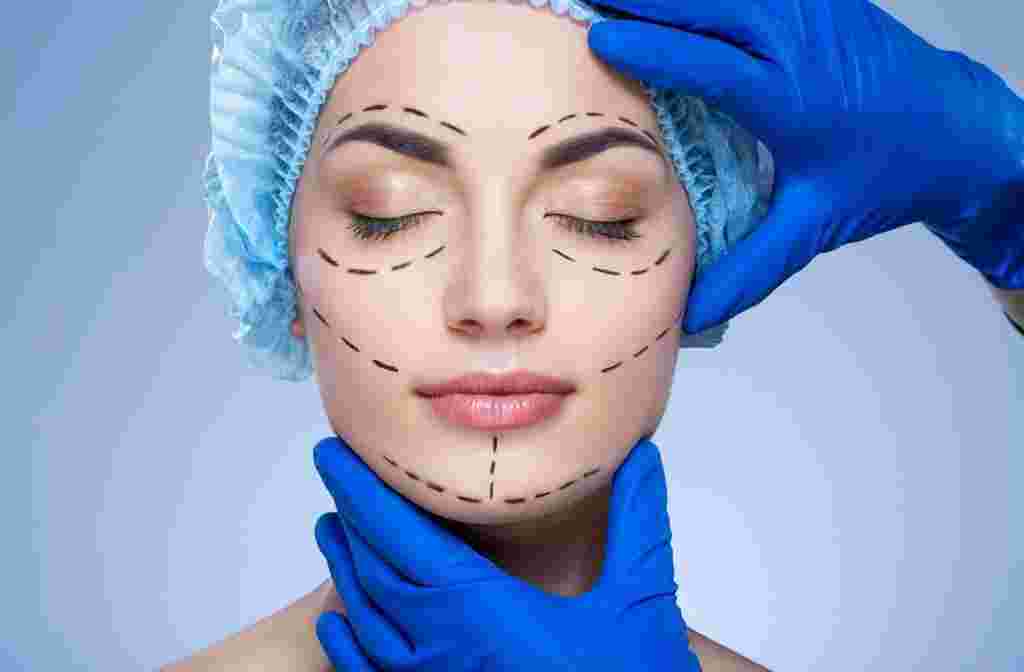
Every successful cosmetic procedure is built on two things: the skill of the surgical team and the care a patient takes before and after the operation. Many people spend weeks researching surgeons and techniques, yet give very little thought to what happens once they return home. Recovery is not a passive waiting period. It is an active part of your treatment, and the choices you make in the days before surgery often shape how comfortable and predictable your healing will be. For anyone considering Cosmetic Surgery in Islamabad understanding how to prepare properly can make the whole experience calmer and far more rewarding.
Start With an Honest Consultation
Preparation begins long before the day of your procedure. A thorough consultation gives you the chance to ask about the surgical plan, the expected healing timeline, and the kind of downtime you should anticipate. Be open about your medical history, any medicines or supplements you take, previous surgeries, allergies, and lifestyle habits. Details that seem minor to you, such as a daily herbal tea or an occasional painkiller, can sometimes affect bleeding, swelling, or how your body responds to anesthesia.A good surgeon will not rush this conversation. They will explain what recovery looks like for your specific procedure, because healing after a facial treatment is very different from healing after a body contouring operation. Write your questions down beforehand so nothing is forgotten. The clearer your expectations are, the less anxious you will feel once the surgery is over.
Follow Pre-Surgery Instructions Carefully
Your surgical team will give you guidelines to follow in the weeks leading up to your procedure. These are not formalities. They exist to reduce risk and support faster healing.Smoking is one of the most important things to address. Nicotine narrows blood vessels and reduces the oxygen reaching your skin and tissues, which can slow healing and increase the chance of complications. Most surgeons ask patients to stop smoking well in advance and to avoid nicotine products during recovery as well. Alcohol should also be limited, as it can interfere with anesthesia and affect how your body clots.ou may also be asked to pause certain medicines and supplements, including blood thinners, aspirin, ibuprofen, vitamin E, fish oil, and some herbal products. Never stop a prescribed medicine on your own, though. Always check with your doctor first so any changes are made safely.
Build a Healthy Foundation
Your body heals best when it is well nourished and well rested. In the weeks before surgery, focus on balanced meals with enough protein, fresh fruits and vegetables, and healthy fats. Protein in particular supports tissue repair, while vitamin-rich foods help your immune system work efficiently. Stay hydrated, and try to keep your sleep schedule steady.Gentle activity such as daily walking can improve circulation and keep you in better physical condition going into surgery. This is not the time for extreme diets or intense new workout routines, since an under-nourished body struggles to recover. If you are unwell with a cold, fever, or skin infection close to your surgery date, let your surgeon know right away, as the procedure may need to be rescheduled.
Prepare Your Home Before You Leave for Surgery
One of the most overlooked parts of recovery planning is the home environment. Imagine returning from surgery feeling tired and sore, only to realize the house is not ready for you. A little preparation saves a great deal of stressSet up a quiet, comfortable resting area with plenty of pillows, clean bedding, and everything you need within arm’s reach. Keep your medicines, water, tissues, phone charger, and any prescribed dressings or garments close by. Cook and freeze simple meals in advance, or arrange for family members to help with food. Tidy up the spaces you will use most so you do not need to bend, lift, or strain during the first few days.If your procedure involves the face, you may want a few extra pillows to keep your head elevated. If it involves the body, loose, front-opening clothing is far easier to manage than anything you must pull over your head.
Arrange Support and Time Off
Most patients underestimate how much they will need others during the first days of recovery. Anesthesia can leave you drowsy, and you should never drive yourself home after surgery. Ask a trusted family member or friend to accompany you and, ideally, to stay with you for at least the first night or two.It also helps to plan time away from work and daily responsibilities. Returning to your routine too soon is one of the most common reasons for a bumpy recovery. Talk to your surgeon about a realistic timeline, and then give yourself a little extra breathing room. Arranging help with childcare, household chores, or errands means you can truly rest rather than worrying about everything left undone.
Understand What Is Normal During Healing
Knowing what to expect is one of the best ways to stay relaxed. Swelling, bruising, mild discomfort, tightness, and temporary numbness are all common after many cosmetic procedures. These effects usually peak within the first few days and then ease gradually, although subtleswelling can linger for weeks or even months depending on the treatment.It also helps to understand that final results take time. The first glimpse in the mirror may not reflect your eventual outcome, and that is completely normal. Patience matters. Comparing your progress with someone else’s can be misleading, because every body heals at its own pace.At the same time, know the warning signs. Heavy bleeding, increasing pain that is not eased by prescribed medicine, high fever, unusual redness or warmth, discharge, shortness of breath, or severe one-sided swelling should be reported to your surgical team immediately. Never wait and hope for symptoms to pass when something feels wrong.
Follow Aftercare Instructions Closely
Once surgery is complete, your most important job is to follow the aftercare plan exactly as given. This usually includes taking medicines on schedule, caring for incisions or dressings, wearing compression garments if advised, and avoiding heavy lifting or strenuous exercise until your surgeon gives the go-ahead.Keep every follow-up appointment, even if you feel you are healing well. These visits allow your surgeon to check your progress, remove stitches if needed, and catch any small concerns early. Protect your skin from direct sun, since new scars and healing tissue are especially sensitive to ultraviolet light and can darken if left unprotected.Rest is not laziness. Short, gentle walks around the house help circulation and lower the risk of blood clots, but the rest of your energy should go into recovering. Eat nourishing food, drink plenty of water, and avoid smoking and alcohol until you are cleared.
Look After Your Emotional Well-Being
Recovery is physical, but it is emotional too. Many patients feel a little low, impatient, or anxious in the early days, especially while swelling is at its peak and results are not yet visible. This is a well-known part of the process and usually passes as healing progresses.Be kind to yourself. Keep in touch with supportive friends and family, listen to music, read, or watch something calming. Avoid stressing over every small change in the mirror. If your mood feels heavy for a prolonged period, speak openly with your care team rather than carrying it alone.
Choose a Clinic That Supports You Beyond the Operating Room
The quality of aftercare is just as important as the surgery itself. A trustworthy clinic will guide you clearly through every stage, from your first consultation to your final follow-up, and will remain reachable when you have questions. At Glamorous Clinic, patient comfort and clear communication are treated as essential parts of the journey, so you never feel left to figure things out alone. If you would like to discuss your goals and learn what preparation will look like for your procedure, you can contact us at Glamorous Clinic through https://www.glamorousclinic.com.pk/ and speak with the team.
Conclusion
A smooth recovery rarely happens by chance. It comes from honest consultation, careful preparation, a well-organized home, dependable support, and a patient attitude toward healing. When you follow your surgeon’s guidance, nourish your body, rest properly, and keep every follow-up visit, you give your results the best possible chance to look natural and last. Cosmetic surgery is a meaningful decision, and the time you invest in preparing for recovery is an investment in the outcome itself. If you are ready to take the next step, Glamorous Clinic is here to guide you with care, clarity, and professional support at every stage.

 Arabic
 French
 Spanish
 Portuguese
 Deutsch
 Turkish
 Dutch
 Italiano
 Russian
 Romaian
 Portuguese (Brazil)
 Greek