


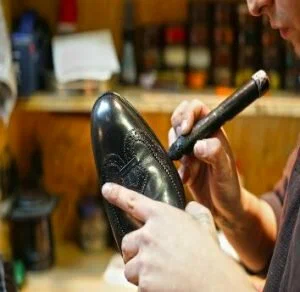
Shoes are exposed to a surprising amount of daily pressure. Every step places force on the sole, while friction affects the upper material and repeated bending puts stress on the areas surrounding the toes. Over time, even well-made footwear can lose its original shape, comfort, and appearance.
What makes footwear interesting is that different materials respond to wear in different ways. Leather develops creases, rubber gradually loses its grip, adhesives can weaken, and fabric may become stretched or torn. These changes do not necessarily mean a pair of shoes has reached the end of its useful life.
Understanding how footwear is constructed can help owners recognise repair opportunities and make more informed decisions about maintenance.
Every Shoe Has a Different Wear Pattern
Not all shoes experience damage in the same places. The way someone walks, the surfaces they use, and the design of their footwear all influence how quickly individual components deteriorate.
For example, people who spend long hours walking on hard flooring may notice wear developing around the heel and forefoot. Someone who frequently drives may experience greater creasing around the front of their shoes because of repeated foot movement.
These patterns matter because identifying the source of deterioration is often just as important as correcting the visible damage.
Understanding Sole Deterioration
The sole is responsible for providing contact with the ground. Depending on the footwear design, it may consist of rubber, leather, synthetic compounds, or multiple layers.
Continuous friction gradually removes material, particularly around areas that receive the most pressure. When the sole becomes excessively thin, the shoe may offer less support and traction.
In suitable footwear, sole replacement or repair can restore functionality without requiring the owner to purchase an entirely new pair.
Why Heel Damage Should Not Be Ignored
Heel wear can develop unevenly, especially when someone places more pressure on one side of their foot while walking.
An uneven heel can affect how the shoe sits against the ground. It may also change the way pressure is distributed during movement.
Depending on the construction, a repair specialist may be able to rebuild or replace the affected section.
Changes in the Upper Material
The upper part of a shoe protects the foot and contributes to its overall structure. Leather, suede, canvas, and synthetic materials each require different maintenance methods.
Leather can become dry and develop surface cracks when neglected. Suede may lose its texture through improper cleaning, while canvas can weaken around frequently folded areas.
Using the wrong repair products can make these problems worse, so material identification should come before treatment.
Why Shoe Construction Matters When Planning a Repair
Two pairs of shoes may look similar but have completely different internal structures. Their soles might be attached using adhesive, stitching, direct moulding, or a combination of techniques.
This construction influences which repair methods are appropriate.
For instance, footwear with a replaceable sole may be easier to restore than a design in which the sole is permanently integrated with the upper. Similarly, decorative stitching should not be confused with structural stitching that helps hold the shoe together.
When exploring shoe repair dubai options, customers should look for professionals who understand different footwear constructions rather than applying the same repair method to every pair.
A suitable assessment should consider the original materials, the location of the damage, and the condition of the surrounding structure.
Repairs That Can Restore the Practical Use of Footwear
A repair does not always involve major reconstruction. Some problems can be addressed through relatively small adjustments, while others require more extensive work.
Sole Separation and Adhesive Failure
Shoes that experience frequent temperature changes or repeated bending may develop separation between the sole and upper.
The correct adhesive and preparation method depend on the materials involved. Simply applying household glue may create a temporary connection without providing the flexibility needed for regular walking.
Stitching and Structural Weakness
Stitching can become loose around seams, decorative panels, or areas exposed to repeated movement.
If the surrounding material remains strong, replacing damaged thread or reinforcing the affected section may help restore the shoe's structure.
Zipper and Fastener Problems
Some boots and specialised footwear include zippers, buckles, straps, or other fastening systems.
A damaged fastening component can make an otherwise wearable shoe difficult to use. Depending on its design, the affected part may be adjusted or replaced.
Shape Restoration
Footwear that has been stored incorrectly or exposed to moisture may lose its original shape.
Appropriate reshaping methods and suitable shoe-support products can sometimes improve its appearance. However, the treatment should match the material to avoid stretching or damaging the footwear.
How to Decide Whether a Shoe Is Worth Repairing
Before spending money on repairs, examine the overall condition of the footwear.
A pair with a damaged heel but a strong upper and comfortable internal structure may be worth restoring. In contrast, shoes with extensive material deterioration, a damaged internal support system, and multiple structural problems may be less suitable for repair.
Consider these four factors:
Material condition: Determine whether the leather, fabric, or synthetic upper remains structurally sound.
Construction quality: Well-constructed footwear may offer more opportunities for component replacement.
Repair requirements: A minor adjustment and a complete sole reconstruction involve very different levels of work.
Expected use: Consider whether the repaired shoes will continue serving their intended purpose.
The decision should be based on practical value rather than appearance alone.
Maintaining Footwear in a Climate With Changing Conditions
Environmental exposure can influence how shoes age. Heat, dust, humidity, and occasional moisture all affect footwear materials differently.
Leather shoes should be cleaned with suitable products and conditioned when necessary. Suede requires gentle brushing and products designed for its textured surface.
Shoes should also be allowed to dry naturally after exposure to moisture. Direct heat can cause certain materials and adhesives to deteriorate.
Alternating between different pairs of shoes is another useful habit. It gives footwear time to dry and recover its shape between uses.
These simple practices can reduce unnecessary stress on materials and help maintain a more consistent appearance.
Selecting a Repair Specialist With the Right Experience
Footwear restoration requires more than making visible damage disappear. The repaired section should remain compatible with the original shoe and withstand normal movement.
When comparing repair providers, ask whether they work with different materials, handle structural repairs, and offer suitable replacement components.
It is also useful to request an explanation of the proposed repair before approving the work. Understanding what will be replaced, reinforced, or treated helps customers make informed decisions.
A careful assessment is particularly important for expensive footwear, specialised designs, and shoes with unusual construction methods.
Give Your Footwear a Longer Working Life
Shoes are designed to support everyday movement, but their durability depends on both construction and maintenance. Small changes in the sole, heel, stitching, or upper material can gradually affect their usability.
Recognising these changes early creates an opportunity to address them before the damage becomes extensive. With appropriate repair techniques and material-specific care, many pairs can remain useful beyond their original expected lifespan.
Rather than treating every visible defect as a reason to replace footwear, consider its overall condition and the possibility of restoring its important components. A thoughtful approach to shoe maintenance can preserve comfort, reduce unnecessary waste, and make better use of the footwear already in your wardrobe.

 English
 French
 Spanish
 Portuguese
 Deutsch
 Turkish
 Dutch
 Italiano
 Russian
 Romaian
 Portuguese (Brazil)
 Greek