


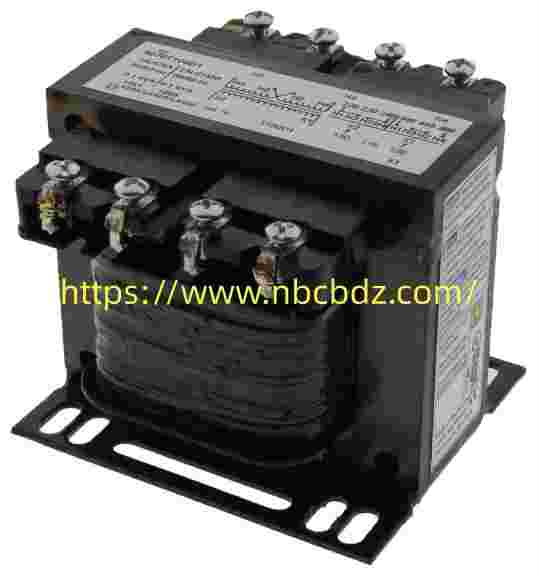
Low-frequency transformers remain important in equipment that needs dependable power conversion, electrical isolation, and straightforward circuit integration. When assessing a Low-frequency Transformer Factory, buyers should examine how the magnetic core, winding arrangement, insulation, mechanical construction, and operating environment are considered together. These details influence electrical behavior as well as installation and long-term service.
The material foundation often begins with laminated electrical steel. Thin sheets are assembled into a core to help limit eddy-current losses as magnetic flux changes. Steel quality, surface condition, and lamination consistency all matter. Accurate stacking and a well-fitted structure support predictable magnetic performance and can help control vibration. Buyers may ask how core materials are selected and kept consistent between batches.
Conductors and insulation form the other major part of the construction. Copper winding wire is widely used for its conductivity, while insulation materials separate turns and layers and protect the winding assembly. Enamel, insulating paper, sleeves, bobbins, and protective barriers should suit the intended duty and surrounding conditions. The winding must remain mechanically stable while accommodating heat generated during normal operation.
Choosing a product starts with the equipment rather than a generic transformer category. Buyers should identify the supply, required output, connected load, isolation needs, installation method, and operating environment. Audio equipment may require attention to audible hum and electrical noise, while a control cabinet may prioritize dependable isolation, secure mounting, and convenient wiring. Appliances, communication equipment, lighting systems, and industrial devices create different design priorities.
Conditions around the transformer also matter. Ambient temperature, ventilation, enclosure design, vibration, dust, and maintenance access can affect operating life. A component installed in a crowded enclosure may experience a different thermal environment from one mounted in an open panel. Sharing the actual installation context helps the manufacturer assess the transformer as part of the complete equipment.
The operating principle is based on electromagnetic induction. Alternating current in the primary winding creates a changing magnetic field in the core, transferring energy to the secondary winding. The turns relationship determines the transformation between input and output voltage, while core and winding design influence losses, regulation, and temperature. Suitability therefore depends on the complete circuit and load behavior, not simply a broad product label.
Low-frequency designs also involve mechanical and acoustic considerations. Core magnetostriction and forces between winding conductors can contribute to vibration or audible hum. Core clamping, impregnation, winding tension, and assembly quality may influence these effects. In sound-sensitive products, buyers can discuss noise expectations and request evaluation under representative operating conditions.
A transformer is rarely seen by the end user, yet it can shape the reliability of the finished device. Stable power delivery supports predictable equipment behavior, while suitable isolation separates circuits where required. Clear lead identification, accessible terminals, and practical mounting arrangements can make installation, inspection, and eventual replacement easier for technicians.
External design should support integration. Core shape, mounting brackets, terminal orientation, lead arrangement, protective covers, and enclosure clearance affect installation. A compact layout can help use internal space efficiently, but should not compromise insulation, ventilation, or service access. Buyers can provide drawings or samples of the surrounding assembly so mechanical fit can be reviewed before a custom design is finalized.
Manufacturing discipline connects design choices to repeatable products. Core stacking, bobbin preparation, winding, insulation treatment, assembly, and electrical testing require process controls. Inspections during production can identify issues before completion. Final checks may cover electrical characteristics, insulation integrity, appearance, and workmanship according to customer requirements and applicable standards. Clear records are useful when a project moves from sample approval to repeat orders.
Ningbo Chuangbiao Electronic Technology Co., Ltd. produces electronic transformers for home appliances, communication equipment, LED lighting, audio systems, and power electronics. Its range includes EI, toroidal, C-core, medical, audio, high-voltage, and industrial control transformers. The company describes a workflow spanning design, procurement, production, quality assurance, logistics, and customer service, and offers customized development based on customer drawings or samples.
Before placing an order, buyers can also review sample documentation, terminal markings, packaging protection, and the process for communicating design changes. These details are easy to overlook when attention is focused on electrical performance, yet they influence incoming inspection and production planning. Agreeing on approved drawings and sample acceptance criteria helps both parties work from the same product definition.
During development, buyers can prepare circuit information, installation drawings, load details, environmental conditions, and any special requirements for noise or mounting. Reviewing these points with the manufacturer helps align the core, winding, insulation, and external construction with the finished equipment. Businesses exploring low-frequency transformer products and customized production from Ningbo Chuangbiao Electronic Technology Co., Ltd. can view its range at https://www.nbcbdz.com/product/.

 English
 French
 Spanish
 Portuguese
 Deutsch
 Turkish
 Dutch
 Italiano
 Russian
 Romaian
 Portuguese (Brazil)
 Greek