


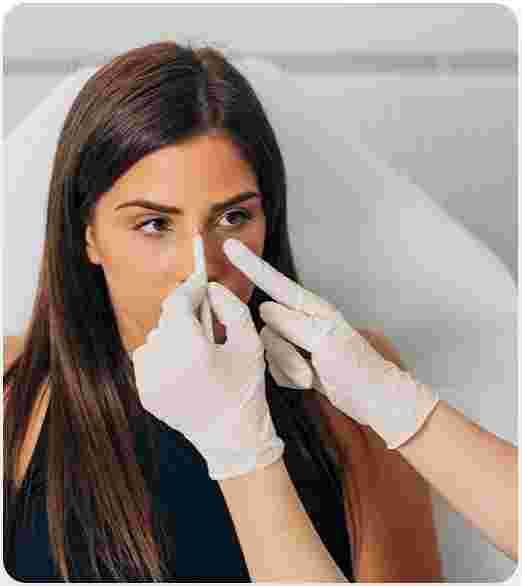
Understanding potential post-operative challenges and recognizing how board-certified specialists prevent them is essential for any patient preparing for nasal surgery. When exploring advanced facial procedures, individuals frequently ask What Are the Common Complications of Rhinoplasty in Islamabad? before committing to an operation. Because structural nasal reshaping modifies delicate bone, cartilage, and mucosal airways, knowing both temporary healing reactions and rare surgical complications fosters informed decision-making. By partnering with accredited medical facilities that uphold strict surgical protocols, patients minimize complication rates while securing balanced, enduring facial harmony. Understanding how potential issues are identified and managed empowers you to approach your surgical journey with confidence, clarity, and peace of mind.
Why Is Distinguishing Routine Side Effects From True Complications Important?
Undergoing structural rhinoplasty naturally initiates a biological healing cascade that produces temporary swelling, under-eye bruising, and mild nasal congestion. Many first-time patients mistake these normal, self-resolving recovery responses for surgical complications, causing unnecessary stress during their initial weeks at home. True surgical complications—such as localized infection, persistent nosebleeds, or structural contour irregularities—occur far less frequently and require targeted medical management. Knowing how normal tissue settling differs from clinical warning signs ensures you remain calm during routine healing while seeking timely guidance if needed. Recognizing this crucial distinction explains why clear patient education is indispensable.
What Key Potential Complications Should Prospective Patients Be Aware Of?
While serious events are uncommon under experienced hands, transparent surgical counseling covers four primary categories of potential complications:
-
Post-Operative Bleeding or Hematoma: Minor oozing is normal for 48 hours, whereas heavier epistaxis or trapped fluid pockets (septal hematoma) require prompt clinical drainage.
-
Localized Wound or Sinus Infection: Rare bacterial irritation along incision lines or internal mucosal tissues, effectively prevented and treated with prescribed antibiotic protocols.
-
Persistent Breathing Obstruction: Temporary congestion is routine, though rare internal scar contracture or weakened nasal valves can occasionally restrict smooth airflow.
-
Subtle Contour Asymmetry or Irregularities: Minor healing variations, palpable bony calluses, or prolonged supratip scar fullness that may occasionally benefit from minor touch-up refinement.
How Do Normal Expected Healing Reactions and True Complications Compare?
Reviewing a direct comparison of routine post-surgical side effects versus uncommon medical complications helps you monitor your recovery safely.
| Recovery Observation Category | Normal Expected Healing Side Effects | True Complications Requiring Medical Care |
| Nasal Drainage & Bleeding | Light pink watery oozing onto gauze drip pad during first 48 hours | Continuous bright red bleeding that soaks gauze rapidly despite elevation |
| Swelling & Tissue Symmetry | Gradual reduction of swelling with temporary side-to-side healing differences | Sudden, painful, throbbing enlargement accompanied by heat or spreading redness |
| Breathing & Sinus Comfort | Mild stuffiness caused by internal mucosal edema and soft silicone splints | Complete, worsening airway blockage accompanied by fever or foul discharge |
| Skin & Incision Appearance | Mild tightness, temporary tip numbness, and fading under-eye yellow bruising | Purulent incision drainage, wound separation, or dark skin discoloration |
How Does Choosing Expert Care Safeguard You Against Complications?
Partnering with an experienced, board-certified specialist drastically reduces complication risks through meticulous anatomical planning and conservative tissue preservation. Through specialized Nose Reshaping protocols, premier centers reinforce structural cartilage supports rather than over-resecting tissue, preventing late valve collapse or bridge irregularities. When functional airway preservation is seamlessly integrated alongside aesthetic refinements via Facial Plastic Surgery, patients benefit from sterile surgical theaters and vigilant post-operative monitoring. Choosing expert care shields you from preventable surgical setbacks. When these elements come together, patients are better positioned to achieve results they feel comfortable with over time. Glamorous Aesthetic Clinic is committed to providing that level of personalized care, and every recommendation is based on careful assessment of the individual. If you are considering treatment, begin with a professional consultation and choose a provider who values safety, clarity, and realistic expectations.
What Practical Steps Can You Take to Prevent Post-Operative Complications?
Following disciplined pre- and post-operative guidelines empowers you to protect your healing nasal structures and keep complication risks at an absolute minimum:
-
Disclose All Medications & Supplements: Stop aspirin, ibuprofen, vitamin E, and blood-thinning herbal remedies two weeks before surgery to prevent bleeding.
-
Eliminate Nicotine Completely: Abstain from cigarettes, vaping, and nicotine products before and after surgery to preserve vital oxygen delivery to healing skin.
-
Protect Your Nose From Trauma: Avoid blowing your nose, resting heavy glasses on your bridge, or participating in contact sports during early healing weeks.
-
Attend Every Scheduled Follow-Up: Keep all milestone appointments so your surgeon can inspect internal healing, clean passages safely, and guide tissue settling.
FAQs
How common are serious surgical complications after undergoing rhinoplasty in Islamabad?
Serious complications are very rare—occurring in less than one to two percent of cases—when performed by board-certified surgeons in accredited facilities.
What should I do if I notice mild asymmetry between my nostrils two weeks after surgery?
Remain patient, as uneven swelling is completely normal during early recovery; true structural symmetry can only be evaluated after 6 to 12 months.
Can post-operative complications like a small bump or scar fullness be corrected later?
Yes, minor healing irregularities or supratip fullness can often be resolved with targeted steroid micro-injections or a minor touch-up procedure after full maturation.
How quickly should I contact my surgeon if I develop a fever or heavy nosebleed?
You should contact your surgical team immediately if you experience high fever, severe unrelieved pain, or heavy bleeding so they can evaluate you promptly.
Final Thoughts
Understanding what the common complications of rhinoplasty in Islamabad are empowers you to distinguish normal healing from rare medical concerns with clarity and confidence. By prioritizing board-certified surgical expertise, sterile accredited facilities, and strict aftercare compliance, you safeguard your health while securing harmonious, lasting results. Scheduling an individual consultation with a qualified plastic surgeon is the ideal first step toward clarifying your customized treatment plan.
Contact us at our website: https://www.glamaesthetics.com.pk/

 English
 French
 Spanish
 Portuguese
 Deutsch
 Turkish
 Dutch
 Italiano
 Russian
 Romaian
 Portuguese (Brazil)
 Greek